
Diseases
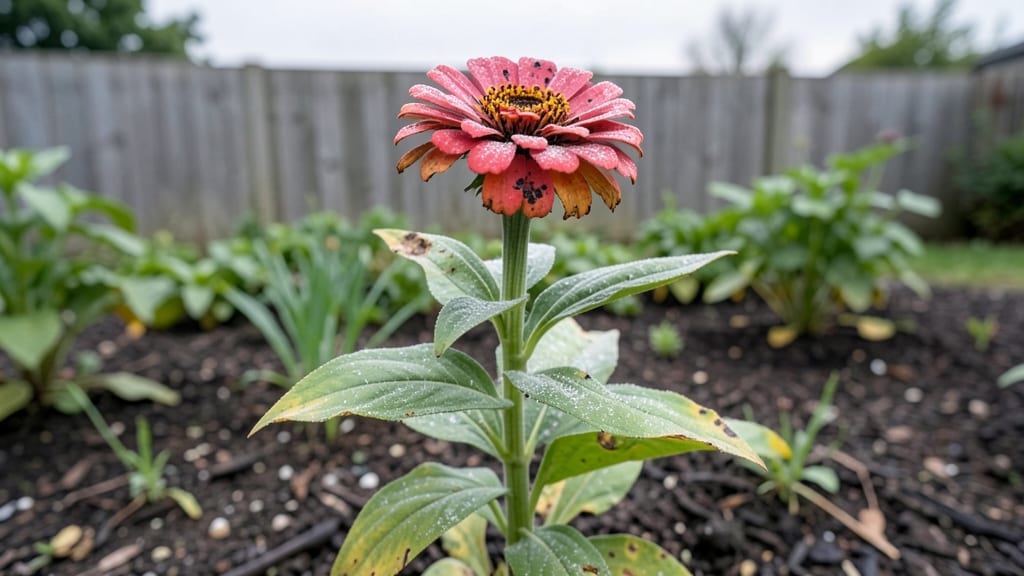
My zinnias looked like they were winning the garden until those suspicious spots showed up on the leaves. 🌿 Zinnia plant diseases don’t always announce themselves with dramatic wilting—they often start with subtle discoloration or weird textures that make you wonder, "Is this normal?" The good news?
Most issues respond well once you know what you’re dealing with.
Powdery mildew, leaf spot, and bacterial blight top the list of zinnia troublemakers, each with its own telltale signs. I’ve seen powdery mildew turn leaves white and fuzzy, while leaf spot creates dark, water-soaked patches that spread like ink in water.
The key to saving your plants? Catching these early and adjusting how you water, space, and prune.
With the right mix of prevention and treatment, you’ll keep your zinnias standing tall and vibrant all season. We’re talking copper fungicide sprays, proper airflow between plants, and a watering schedule that keeps foliage dry.
The goal isn’t just to treat—it’s to create conditions where diseases can’t take hold in the first place.
Once you recognize the patterns, troubleshooting becomes second nature. Confused about whether those spots are fungal or bacterial? I’ll walk you through the differences so you can act fast. The sooner you intervene, the sooner your zinnias bounce back—and trust me, they’re worth fighting for.
Root Causes of Zinnia Struggles
Zinnia plants are vibrant, eye-catching additions to any garden, but they’re not immune to trouble. When diseases strike, it’s often due to a mix of environmental factors, poor care habits, or even hidden pests.
Understanding why these issues arise is the first step to prevention—and keeping your zinnias thriving. Let’s break down the most common culprits behind zinnia plant diseases.
Zinnias thrive in well-drained soil and moderate moisture, but too much humidity or water can turn your garden into a fungal buffet. Fungal diseases like powdery mildew and rust love damp environments because they rely on moisture to spread their spores.
When zinnias sit in soggy soil or are watered from above (leaving leaves wet for long periods), fungal spores latch onto the plant like hitchhikers on a road trip.
Why it happens:
- Poor drainage: Compacted or clay-heavy soil traps water at the roots, creating a breeding ground for Phytophthora and other water-loving pathogens.
- Frequent overhead watering: Water droplets linger on leaves, giving fungi like Alternaria the perfect launchpad to infect the plant.
- High humidity at night: Cool, moist evenings (common in summer) slow evaporation, keeping spores active longer.
Pro tip: 💡 Aim for early morning watering (so leaves dry by afternoon) and avoid mulching too close to the stem—this prevents soil-borne fungi from splashing onto foliage.
Fungal diseases don’t just appear out of nowhere—they’re often already lurking in your garden. Spores from powdery mildew, downy mildew, or Botrytis gray mold can survive in soil, on tools, or even in the wind.
If your zinnias were planted near infected plants last season (or if you reused contaminated soil), the spores are waiting for the right conditions to strike.
Why it happens:
- Contaminated soil or compost: Old garden beds, especially those where diseased zinnias or other susceptible plants (like tomatoes or impatiens) grew, may still harbor spores.
- Wind or splashing water: Spores hitch rides on breezes or get kicked up by rain, landing on healthy plants and germinating when moisture is present.
- Crowded plants: Poor airflow between stems allows spores to linger longer, increasing infection rates.
Pro tip: ✨ Rotate crops and test soil for pathogens before planting. If you suspect spores, treat soil with a fungicide (like copper-based sprays) before transplanting.
Not all zinnia diseases are caused by microbes—sometimes, the real troublemakers are tiny, unseen pests. Aphids, whiteflies, and spider mites suck sap from leaves, creating open wounds that invite bacterial and fungal infections. These pests also excrete honeydew, a sticky residue that fosters sooty mold—a secondary fungal issue.
Why it happens:
- Stress from pests: Damaged leaves can’t photosynthesize efficiently, weakening the plant’s defenses against pathogens.
- Honeydew buildup: Sooty mold spores thrive on this sugary film, turning leaves black and stunting growth.
- Overcrowding: Dense plantings attract more pests, creating a vicious cycle of damage and disease.
Pro tip: 🎯 Monitor undersides of leaves for pests and blast them off with a strong spray of water. Introduce beneficial insects (like ladybugs) to keep populations in check.
Zinnias need a balanced diet to stay strong, and deficiencies—especially in nitrogen, phosphorus, or potassium—can leave them vulnerable to disease.
For example, a lack of phosphorus weakens root systems, making plants more susceptible to root rot, while potassium deficiencies impair cell wall integrity, making leaves easier targets for fungal invasion.
Why it happens:
- Poor soil quality: Sandy or depleted soil lacks essential nutrients, stressing plants and reducing their disease resistance.
- Over-fertilizing with nitrogen: While nitrogen promotes leafy growth, too much can lead to soft, succulent tissue that’s prime real estate for fungi.
- pH imbalances: Zinnias prefer slightly acidic to neutral soil (pH 6.0–7.0). Extreme pH levels (too acidic or alkaline) lock out nutrients, weakening the plant.
Pro tip: 📊 Test your soil every 2–3 years and amend with compost or a balanced fertilizer (like 10-10-10) to keep zinnias robust.
Zinnias are resilient, but they hate extremes. Hot, humid days followed by cool, damp nights create the perfect storm for diseases like rust and Alternaria leaf spot. Temperature swings also stress plants, lowering their ability to fight off pathogens.
Why it happens:
- Rapid temperature drops: Nighttime chills (below 50°F/10°C) slow plant metabolism, making them more susceptible to fungal attacks.
- Heat stress: Prolonged heat (above 90°F/32°C) weakens cell walls, allowing bacteria and fungi to penetrate easily.
- Rain after drought: Sudden water surges can shock plants, creating entry points for soil-borne diseases.
Pro tip: 🌡️ Mulch properly to regulate soil temperature and choose disease-resistant varieties (like ‘Benary’s Giant’ or ‘Crystal’) for hot climates.
Quick Fixes for Zinnia Ailments
When your zinnias start showing signs of stress—whether it’s yellowing leaves, black spots, or wilted stems—acting fast can save your plants. Below are targeted solutions for the most common zinnia diseases, along with prevention tips to keep your garden thriving.
Think of this as your emergency repair kit for happy, healthy zinnias! 🌱💦
Fungal diseases thrive in damp, warm conditions, so the first step is always improving airflow and reducing moisture.
🔥 Treat Powdery Mildew
This white, powdery coating on leaves is unsightly but treatable!
- 🍳 Spray with a homemade remedy: Mix 1 tsp baking soda + 1 tsp dish soap + 1 quart water. Spray leaves until fully wet, focusing on the undersides where spores hide. Repeat every 7–10 days until symptoms fade.
- 👨🍳 Apply neem oil: Mix 1 tbsp neem oil + 1 tsp mild soap in 1 quart water. Spray in the early morning or evening to avoid burning leaves. Neem oil disrupts fungal spores and prevents regrowth.
- ⏰ Prune infected leaves: Cut off severely affected foliage with clean, sharp scissors and dispose of it in the trash (not compost). This stops the spread.
🌡️ Fix Leaf Spot (Alternaria or Septoria)
Brown or black spots with yellow halos? Leaf spot is likely the culprit.
- 💡 Remove and replace: Snip off spotted leaves immediately. Replace mulch around the base with sterilized straw or pine needles to improve drainage.
- ✨ Use copper fungicide: Apply a ready-to-use copper spray (like Bonide Copper Fungicide) every 10–14 days. Copper creates a protective barrier against spores.
- 🎯 Water at the base: Avoid overhead watering. Use a drip irrigation system or watering can with a nozzle to keep leaves dry.
Bacteria spread quickly, so sterilization and speed are key.
🔪 Stop Bacterial Leaf Spot
Small, water-soaked spots that turn yellow or brown? This is bacterial leaf spot.
- 🍳 Hydrogen peroxide spray: Mix 1 tbsp 3% hydrogen peroxide in 1 quart water. Spray leaves directly (it’s safe for plants and kills bacteria on contact). Repeat every 5 days.
- 👨🍳 Remove infected plants: If more than 30% of the plant is affected, pull it up and dispose of it. Do not compost—bacteria can survive in soil.
- 🌡️ Sterilize tools: Clean pruners with rubbing alcohol between cuts to prevent cross-contamination.
💦 Prevent Stem Rot (Pythium or Phytophthora)
Mushy, dark stems that collapse? Stem rot is often fatal—act fast.
- ⏰ Improve drainage: Amend soil with perlite or coarse sand to prevent waterlogging. Elevate pots or plant in raised beds if needed.
- ✨ Fungicidal soil drench: Use a systemic fungicide like Subdue (metalaxyl) or BioAdvanced Fungus Control. Follow label instructions for soil application.
- 🎯 Space plants properly: Overcrowding traps moisture. Thin zinnias so they have 6–12 inches of space between each plant.
An ounce of prevention is worth a pound of cure! Follow these habits to keep diseases at bay:
- 💡 Choose resistant varieties: Opt for zinnia hybrids like 'Benary’s Giant' or 'Profusion', which are bred for disease resistance.
- 🌡️ Plant in full sun: Zinnias need 6+ hours of sunlight daily. Poor sunlight weakens plants, making them susceptible to pests and diseases.
- 🎯 Rotate crops: Avoid planting zinnias in the same spot year after year. Rotate with non-composite plants (like tomatoes or beans) to break disease cycles.
- 🔥 Mulch correctly: Use straw or wood chips (not fresh grass clippings) to mulch. Keep mulch 2–3 inches away from stems to prevent rot.
- 🍳 Strengthen plants: Feed zinnias with a balanced fertilizer (10-10-10) every 4–6 weeks. Healthy plants fight off diseases better!
With these fixes, your zinnias should bounce back in no time. Remember: early action is everything. The moment you spot trouble, grab your spray bottle and get to work! 🌟
Frequently asked questions
What’s the difference between powdery mildew and leaf spot on zinnias?
Powdery mildew appears as a white, powdery coating on leaves, while leaf spot shows up as dark, water-soaked patches with yellow edges. Mildew thrives in humid air, while leaf spot spreads when water splashes onto foliage. Both need airflow fixes, but mildew responds to baking soda sprays, while leaf spot requires copper fungicides.
Can I still use zinnias with diseases for bouquets?
Only if the disease is cosmetic only (like mild powdery mildew). Remove infected leaves first. Avoid using plants with bacterial infections (like leaf spot) or stem rot—these spread easily. For bouquets, pick from the healthiest stems with no visible spots or wilting.
Why do zinnias get diseases more often in pots than in the ground?
Potted zinnias suffer from poor drainage and trapped moisture, which fungi love. Containers also heat up faster, stressing plants. Always use pots with drainage holes and a well-draining mix (50% potting soil, 30% perlite, 20% compost). Water only when the top inch is dry to prevent soggy roots.
How do I know if my zinnias need fungicide or just better care?
Start with better care first: space plants 6–12 inches apart, water at the base, and avoid overhead sprinkling. If symptoms persist after 2 weeks of these changes, use a copper fungicide (like Bonide). For bacterial issues, hydrogen peroxide sprays work better than fungicides.
Are there zinnia varieties that rarely get diseases?
Yes! Look for disease-resistant hybrids like ‘Profusion’ or ‘Crystal’. These are bred to handle powdery mildew, leaf spot, and rust better than heirloom varieties. Always check seed packets for “disease-resistant” labels when shopping.