
Lawn
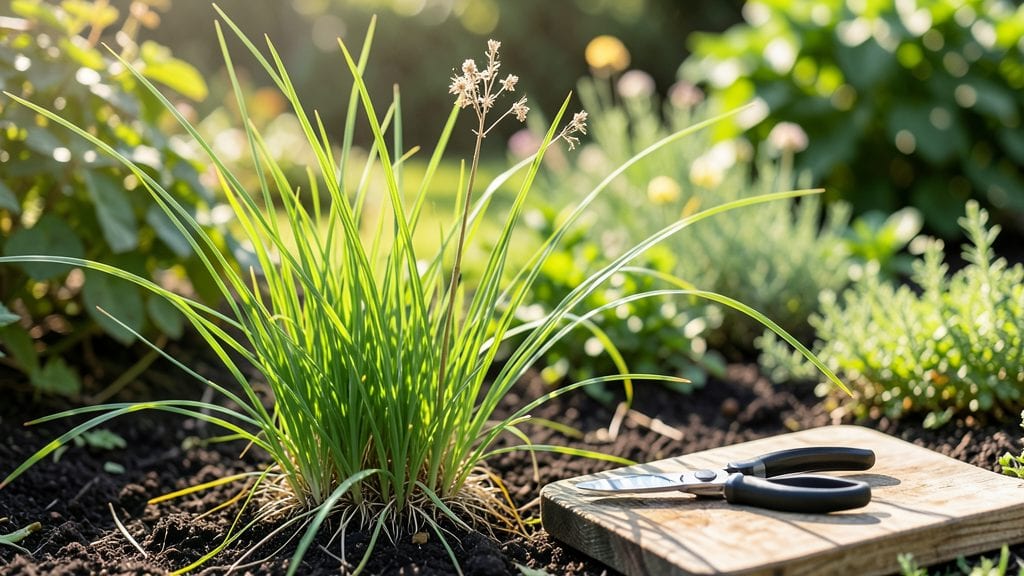
Cutting lemon grass at the right time transforms it from a scraggly stalk into a thriving, bushy plant that keeps producing those fragrant stems for years. ✨ The trick isn’t just hacking away—it’s timing your cuts to encourage new growth while avoiding the plant’s woody base.
I’ve learned the hard way that aggressive pruning too early can stunt regrowth, but with the right technique, you’ll get lush, productive plants that reward your effort with fresh stems all season long.
You’ll need just a few simple tools: sharp pruning shears or clean scissors (dull blades tear stems), a small bucket of water (to keep cuttings fresh), and a spray bottle (for post-cutting hydration).
The best time to trim is after flowering or when the plant gets leggy—never cut more than a third of the plant at once. Lemon grass is tough, but even it needs time to recover between major haircuts.
For harvesting, focus on the outer stalks first, leaving the inner ones to keep growing.
After cutting, give your plant a drink of water and a light fertilizer to encourage new shoots. The key is to cut at a 45-degree angle just above a leaf node—this prevents water from pooling and causing rot.
Within a few weeks, you’ll see fresh green shoots emerging from the base, and those old cuttings? Toss them in water for a few days to root, and you’ve got free new plants. It’s like getting a discount on more lemon grass—nature’s way of saying “thanks for the trim.”
This method works year-round in warm climates, but if you’re in a cooler zone, hold off until spring or early summer. The same technique applies whether you’re trimming for kitchen use, pest control, or propagation—just adjust how aggressively you cut based on your goals.
Now, grab those shears and let’s get to work!
📚 In This Guide
- What you need
- Instructions
- Tips and common mistakes
- Wrapping up and next steps
What you need
- ● Sharp pruning shears or garden scissors – Choose bypass-style shears (not anvil-type) for clean cuts. A 10-12 inch blade works best for lemon grass.
- ● Clean, sharp knife or machete – A 6-8 inch serrated knife or a small machete (for thicker stalks). Disinfect with rubbing alcohol before use!
- ○ Gloves (optional but recommended) – Heavy-duty gardening gloves to protect your hands from sharp edges and sap.
- ● Pruning saw (for tough stalks) – Only needed if your lemon grass has thick, woody stalks over 1 inch in diameter.
- ● Bucket or wheelbarrow – To collect clippings and debris easily.
- ● Ruler or measuring tape – For precise height measurements (aim for 12-18 inches from the base).
- ● Water spray bottle or hose – To dampen dry stalks before cutting (prevents dust and makes trimming cleaner).
- ● Disinfectant spray – For sterilizing tools between cuts (prevents bacterial spread).
- ● Compost bin – To recycle clippings into nutrient-rich soil.
- ● Knee pads or stool – For comfort if you’re kneeling or bending for extended periods.
- ● Marking twine or stakes – To outline trimming zones if your lemon grass is in a large patch.
- ● Sunscreen & hat – Because even gardeners need sun protection! ☀️
Step-by-step guide for cutting lemon grass plant
Here's how to trim your lemon grass for thick, healthy regrowth—no guesswork involved.
🌱 Step 1: Identify the Right Time to Trim
Wait until your lemon grass reaches 12-18 inches tall before cutting. This is when the plant has enough energy stored to regrow vigorously. I always check for 3-4 mature leaves—the ones with fully developed white bases—before trimming. If you cut too early, you'll stunt growth and weaken the plant.
Early morning is the best time to trim. The plant is hydrated from overnight watering, and the cuts heal faster in cooler temperatures. Avoid trimming after heavy rain or when the soil is bone-dry—both conditions stress the plant unnecessarily.
✂️ Step 2: Use the Right Tools and Technique
Grab your sharp pruning shears or a clean knife—never dull tools, as they crush stems instead of making clean cuts. Hold the plant upright and cut 1-2 inches above the ground level, leaving a small stump. This prevents rot while allowing new shoots to emerge from the base.
Make the cut at a 45-degree angle if you're harvesting stalks for use. For regrowth trimming, a straight cut just above the ground works best. Always sterilize your tools with rubbing alcohol before and after cutting to prevent disease spread between plants.
🌿 Step 3: Encourage Bushier Growth After Trimming
After cutting, water the base of the plant deeply to help it recover. You'll see new shoots emerging from the ground within 2-4 weeks, depending on your climate. This is the plant's way of telling you it's happy and ready to grow again. If you notice yellowing leaves, it's a sign of over-trimming or underwatering—adjust your care routine accordingly.
Apply a balanced 10-10-10 fertilizer lightly around the base after trimming to give the plant a nutrient boost. Too much fertilizer can burn the roots, so use half the recommended dose. I like to fertilize again after 6 weeks to encourage steady growth.
☀️ Step 4: Maintain Optimal Growing Conditions
Keep your lemon grass in partial shade to full sun, depending on your climate. In hotter areas, morning sun with afternoon shade prevents the plant from drying out. Water consistently to keep the soil evenly moist but not soggy. Lemon grass roots need oxygen, so avoid waterlogging.
Watch for signs of stress like wilting or brown tips—these often mean the plant isn't getting enough water or light. If you notice pests like aphids or mites, treat them immediately with neem oil or insecticidal soap. A healthy lemon grass plant will reward you with fresh stalks for months to come.
Tips & tricks for perfect lemon grass trimming
Here's what nobody tells you about trimming lemon grass that'll make all the difference in your plant's health.
The Height Factor: Never trim below the 1-2 inch mark above ground level—this is critical for regrowth. I've seen people cut too close, and it leads to rot or weak stems. The small stump you leave acts like a natural barrier, protecting the plant from moisture buildup while allowing new shoots to emerge cleanly.
Timing Secret: Early morning is non-negotiable for the best results. The plant's natural hydration from overnight watering makes the cut cleaner, and cooler temperatures help the plant recover faster. Between us, I've tried trimming in the afternoon, and the results? Slower recovery and more stress on the plant.
Tool Technique: Sterilize your pruning shears or knife with rubbing alcohol before and after each use—this prevents disease spread between plants. I also recommend using a sharp tool to avoid crushing the stems. A dull blade can cause damage that weakens the plant, making it more susceptible to pests and disease.
Post-Trim Care: After cutting, give your lemon grass a deep watering right at the base—this helps the plant recover faster. You'll notice new shoots emerging within 2-4 weeks, but if you see yellowing leaves, it's a sign you're either over-trimming or underwatering. Adjust your care routine accordingly to keep your plant thriving.
Pro Tips for Cut Lemon Grass Plant
- Here's what nobody tells you about trimming lemon grass that'll make all the difference in your plant's health.
- The Height Factor: Never trim below the 1-2 inch mark above ground level—this is critical for regrowth.
- Timing Secret: Early morning is non-negotiable for the best results.
Frequently asked questions
Got questions about cutting your lemon grass plant? You’re not alone!
Here are some of the most common concerns—plus simple, no-fuss answers to keep your plant thriving.
When is the best time of year to cut lemon grass?
The ideal time to trim lemon grass is in early spring or late summer, when the plant is actively growing but before it flowers. Avoid cutting during winter dormancy or extreme heat—this can stress the plant. If you need to harvest for cooking, trim as needed, but prune lightly to encourage regrowth.
How much of the lemon grass plant can I cut without harming it?
Never remove more than one-third of the plant’s height in a single session. For mature plants, aim to cut back to about 6–8 inches from the base. Over-trimming can weaken the plant or prevent regrowth. If you’re harvesting stalks for cooking, leave at least 3–4 healthy stalks to sustain the plant.
What do I do if my lemon grass turns brown or yellow after cutting?
Brown or yellow leaves after trimming usually mean over-pruning or stress. If this happens, stop cutting for a few weeks and focus on watering deeply (1–2 inches per week). If the damage is severe, trim only the dead parts and avoid heavy cuts until new growth appears. Yellowing can also signal nutrient deficiency—fertilize lightly with a balanced plant food.
Can I propagate lemon grass from cuttings? How?
After trimming, you can propagate lemon grass using hardwood cuttings (mature stalks). Cut a healthy stalk at a 45-degree angle, remove the lower leaves, and plant it 2–3 inches deep in moist soil or water. Keep it in bright, indirect light and mist occasionally. Roots should form in 2–4 weeks. Perfect for expanding your garden or sharing with friends!
How do I store cut lemon grass for cooking?
For fresh use, wrap the stalks in a damp paper towel and store them in a sealed plastic bag in the fridge for up to 2 weeks. To freeze, trim the tough outer layers, chop into 4-inch pieces, and store in an airtight container with a splash of water. Frozen lemon grass keeps for up to 6 months—great for soups, curries, and teas!
Wrapping up and next steps
Cutting your lemon grass plant doesn’t have to be intimidating—with the right tools and techniques, you’ll encourage lush, healthy growth while harvesting fresh stalks for your favorite dishes! 🌱 Whether you’re trimming for maintenance or harvesting, remember: precision and timing are key.
Now that you’re equipped with these tips, grab your pruners and get ready to transform your garden into a fragrant, productive space.
Ready to take the next step? Start small—try harvesting just a few stalks at a time to see how your plant responds. Over time, you’ll master the art of trimming, and soon, you’ll be sharing your lemon grass bounty with friends and family! 🍋✨