Shrubs
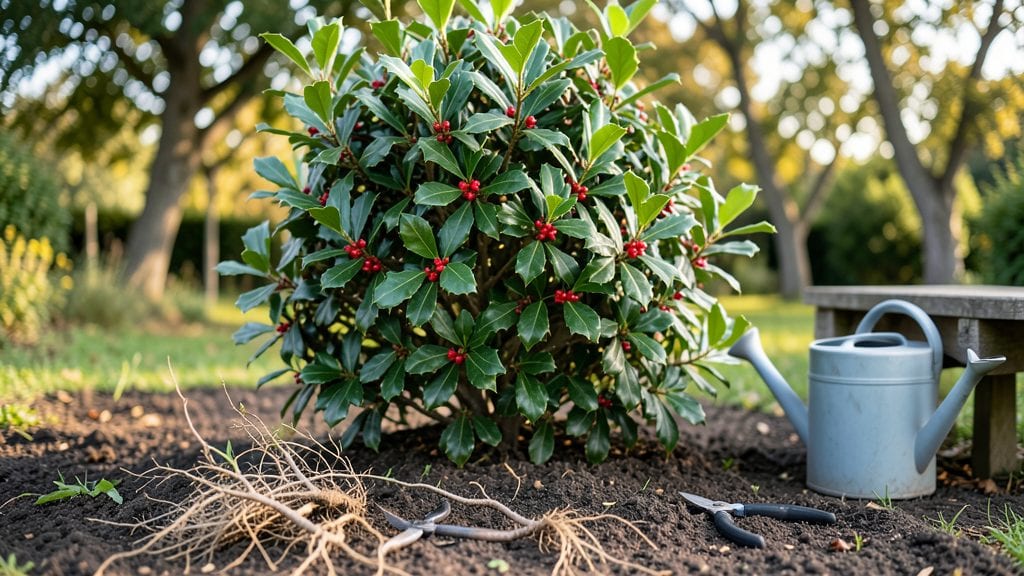
Planting evergreen bushes transforms bare spaces into lush, ever-present privacy screens that need almost no work from you once they’re established. ✨ The key is picking the right spot—the kind where your bushes get morning sun and afternoon shade, and where the soil drains well enough to keep roots happy but not so fast that they dry out in summer.
Start by digging holes twice as wide as the root ball but only as deep—evergreens hate being buried too deep, which can rot their trunks. Amend the native soil with compost if it’s heavy clay or pure sand, then water the hole before setting the plant in.
Proper spacing now means fewer pruning headaches later; check the variety’s mature width and leave room for growth.
After planting, give them a deep drink to settle the roots, then mulch with 2–3 inches of wood chips or pine straw to keep moisture in and weeds out. The first year is all about patience—water weekly if rain doesn’t come, but avoid soggy soil.
By spring, you’ll see new growth that signals your bushes are settling in for decades of low-maintenance beauty.
This method works for arborvitae, boxwoods, or holly—just adjust spacing and sunlight based on your climate. The real magic? No seasonal color shifts, no messy leaf cleanup, and a green backdrop that stays vibrant year-round. Now let’s get those bushes in the ground.
📚 In This Guide
- What you need
- Instructions
- Tips and common mistakes
- Wrapping up and next steps
What you need
- ● Evergreen bushes: 3–5 mature plants (size depends on desired height; e.g., Ilex or Juniper for 6–10 ft. growth). Choose 1-gallon containers for small yards or 3–5-gallon pots for larger coverage.
- ● Shovel or trowel: A garden spade (for digging) or a hand trowel (for precision in tight spaces).
- ● Garden gloves: Heavy-duty, waterproof gloves (e.g., Firestone or Gloves USA) to protect hands from thorns or rough soil.
- ● Measuring tape: 10–25 ft. for spacing plants accurately (aim for 3–6 ft. apart, depending on bush maturity).
- ● Compost or organic mulch: 2–3 cubic feet of well-aged compost or pine bark mulch (3–4 inches thick) to enrich soil.
- ● Watering can or hose: A 5-gallon watering can with a rose attachment or a soaker hose for deep hydration.
- ● Pruning shears: Bypass pruners (sharp, ergonomic handles) for trimming roots or shaping bushes post-planting.
- ● Soil test kit: To check pH (6.0–7.0 ideal) and nutrient levels before planting.
- ● Slow-release fertilizer: 10–15 lb. of balanced 10-10-10 or acid-loving plant fertilizer (e.g., Espoma Holly-Tone).
- ● Plant support stakes: 3–4 ft. bamboo stakes + soft ties for young, top-heavy bushes.
- ● Weed barrier fabric: 3 ft. x 50 ft. roll to suppress weeds and retain moisture.
- ● Mulch ring or edging: Metal or plastic rings to keep mulch in place and define plant beds.
Step-by-Step instructions for planting evergreen bushes
Here's how to plant four evergreen bushes for lasting privacy with minimal upkeep.
🪴 Step 1: Choose the Right Location and Dig Holes
Pick a spot with 6+ hours of sunlight daily—evergreens need this to stay lush year-round. Mark where each bush will go with a stake or string line, spacing them 4-6 feet apart depending on the mature size listed on your plants. Dig holes twice as wide as the root ball and 2 inches deeper than the container.
Use a shovel to loosen the sides of each hole—this helps roots spread into the soil instead of circling the root ball. I always check the depth by placing the plant in the hole and ensuring the top of the root ball sits 1 inch above ground level. This prevents water from pooling around the base and causing rot.
🌱 Step 2: Prepare the Soil and Remove Plants from Containers
Mix the native soil you dug out with 2-3 inches of compost at the bottom of each hole. This gives roots an immediate nutrient boost. Gently tap the sides of each container to loosen the root ball before sliding the plant out. If roots are circling tightly, use your fingers to tease them apart—this encourages outward growth instead of a tangled mess.
Place each bush in its hole, then fill around the sides with the soil-compost mix. Press down lightly to remove air pockets but don’t compact the soil too firmly. Water each plant deeply right away to settle the soil and eliminate gaps. You’ll know it’s right when water drains evenly without pooling.
☀️ Step 3: Mulch and Water for Establishment
Spread 2-3 inches of mulch around each bush, keeping it 6 inches away from the stem to prevent rot. I use shredded bark because it breaks down slowly and retains moisture. Water each bush again until the soil is 6 inches deep and evenly moist. This first deep watering helps roots establish quickly.
Over the next 2-3 weeks, water every 2-3 days until the soil feels dry 2 inches down. Watch for wilting leaves—this is your signal to water again. Evergreens are tough once established, but young plants need consistent moisture to root deeply. Avoid overhead watering after this stage to prevent fungal diseases.
✂️ Step 4: Prune and Maintain for Long-Term Growth
Wait until spring to prune your bushes for the first time. Remove any dead or crossing branches with clean, sharp pruners, cutting just above a healthy bud. Shape lightly if needed, but avoid heavy pruning—evergreens grow slowly and need time to fill in. I prune mine by 10-15% annually to keep them dense and encourage new growth.
Fertilize once a year in early spring with a slow-release, balanced fertilizer (like 10-10-10). Spread it evenly around the base and water it in well. Evergreens don’t need much, but this small boost keeps them vibrant. Monitor for pests like spider mites—spray with water if you see webbing, and they’ll usually wash away.
Tips & tricks for planting evergreen bushes
A few simple tricks will help your evergreen bushes thrive and create that lush, private screen you're dreaming of.
Location and Spacing: Evergreens can live for decades, so choose your spot carefully. The 6+ hours of sunlight requirement is non-negotiable—shadier spots will lead to sparse growth. When spacing 4-6 feet apart, consider the mature size on the plant tag. I always add an extra foot of space between bushes if my yard has heavy clay soil, as roots need room to spread.
Root Ball Handling: In Step 2, that 1-inch above ground level placement is crucial—it prevents rot from water pooling. If you notice roots circling tightly when removing from containers, don't just cut them. Instead, gently work your fingers between the roots to loosen them. This encourages outward growth rather than a tangled mess that can strangle itself.
Mulching Wisdom: The 2-3 inches of mulch you spread in Step 3 should be kept 6 inches away from stems to prevent rot. I've learned the hard way that pine straw works better than wood chips for evergreens—it stays loose and allows airflow to the soil. Also, refresh the mulch annually as it breaks down, maintaining that moisture-retaining layer.
Watering Strategy: Those 2-3 weeks of frequent watering are critical for root establishment. I use a rain gauge to measure exactly 1 inch of water per week during this period. In hot climates, you might need to water every other day instead of every 2-3 days. The key is keeping that 2 inches of soil consistently moist without waterlogging.
Pro Tips for Planting Evergreen Bushes
- A few simple tricks will help your evergreen bushes thrive and create that lush, private screen you're dreaming of.
- Location and Spacing: Evergreens can live for decades, so choose your spot carefully.
- Root Ball Handling: In Step 2, that 1-inch above ground level placement is crucial—it prevents rot from water pooling.
Frequently asked questions
Got questions about planting evergreen bushes? You’re not alone! Here are some of the most common concerns—plus straightforward answers to help you get started with confidence.
When is the best time to plant evergreen bushes?
The ideal window is early spring or fall (4–6 weeks before the first frost). This gives roots time to establish before extreme heat or cold. Avoid planting in summer’s peak heat or winter’s frozen ground, as both can stress young bushes. Pro tip: If you must plant in summer, do it on a cloudy day or water deeply afterward to reduce shock.
How close can I plant evergreen bushes to my house or fence?
Keep a 3–5 foot clearance from structures to prevent moisture buildup (which can rot siding or foundations) and allow airflow. For fences, aim for 2–3 feet away to avoid overcrowding. Check your bush’s mature width—some varieties (like Thuja or Chamaecyparis) spread wider than others!
Do evergreen bushes need full sun? What if my yard is shady?
Most evergreens thrive in full sun (6+ hours/day)**, but some (like Rhododendrons or Picea) tolerate partial shade. For shady spots, choose shade-tolerant varieties such as Inkberry Holly or Dwarf Alberta Spruce. If your yard is very dark, pair evergreens with sun-loving perennials to brighten the area.
How often should I water newly planted evergreen bushes?
Water deeply 2–3 times per week for the first year, ensuring soil stays consistently moist (not soggy). After that, most evergreens need 1–1.5 inches of water weekly (check soil moisture—top 2 inches should be dry before watering). Mulch heavily (3–4 inches) to retain moisture and protect roots from temperature swings.
Why are my evergreen bushes turning brown? Is this normal?
Brown tips or needles are often normal in winter (evergreens conserve water by shedding old growth), but sudden browning can signal overwatering, underwatering, or pests. Check for:
- Dry, crispy tips = underwatering or low humidity.
- Yellowing + browning = overwatering or root rot.
- Webbing or holes = spider mites or bagworms (treat with horticultural oil).
Can I plant evergreen bushes in containers? What’s the best setup?
Yes! Use a large container (5+ gallons) with drainage holes and well-draining potting mix. Choose compact varieties like Dwarf Hinoki Cypress or Miniature Boxwood. Move containers to partial shade in summer to prevent root stress. Fertilize lightly in spring with a slow-release, acid-loving plant formula (pH 5.0–6.0).
Wrapping up and next steps
Planting evergreen bushes is a fantastic way to enjoy year-round privacy and beauty with minimal effort! These hardy plants thrive in various climates, offer lush greenery, and require little upkeep once established.
Whether you’re a beginner or a seasoned gardener, the right selection and care will transform your outdoor space into a serene, evergreen oasis. 🌿
Now that you’re equipped with the knowledge and tools to succeed, why not take the first step? Visit your local nursery, grab a few evergreen bushes, and start planting—your future self (and your neighbors!) will thank you. Happy gardening! 🌱