
Pests
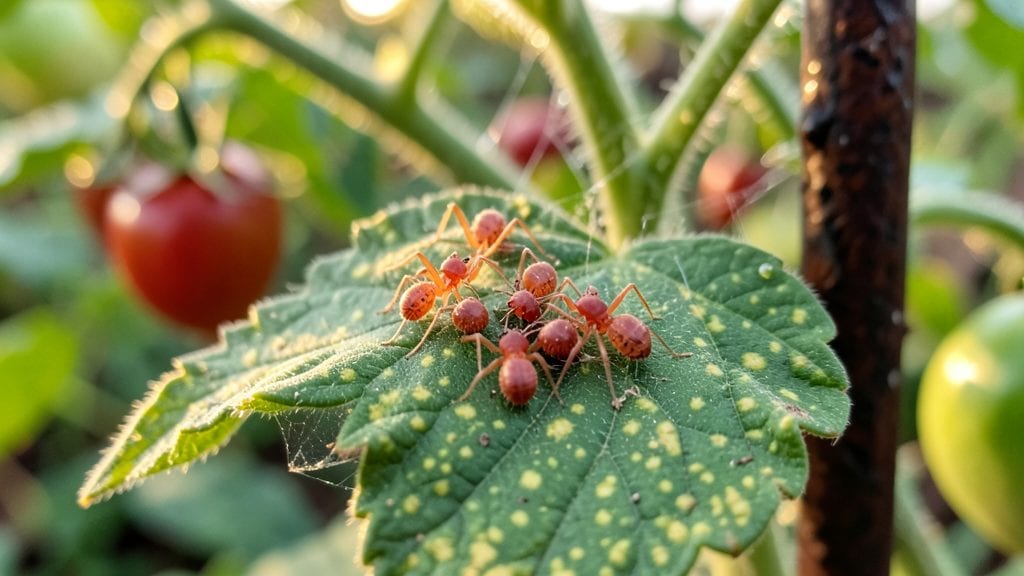
A treatment for spider mites on tomato plants can save your harvest—just as I’ve seen entire crops vanish overnight, but also how a simple organic spray stops them in their tracks. ✨ in 3-5 days if you catch them early.
The secret isn’t just the spray—it’s knowing when to apply it, how to spot the infestation, and what to do before they show up again.
Most gardeners reach for chemical sprays first, but that’s like using a sledgehammer for a spider mite. Instead, I rely on neem oil, insecticidal soap, and a homemade garlic spray—all of which smother mites on contact while keeping your tomatoes safe to eat.
The key is consistency: spray every 3-4 days until the webs disappear, and always hit the undersides of leaves where they hide. You’ll see results within a week, but prevention is where the real magic happens.
By the time you’re done, your plants will look like they’ve been given a second chance—vibrant green leaves, no more stippled damage, and tomatoes that stay healthy right up to harvest.
The best part? This method works just as well on peppers, eggplants, and other garden favorites. Let’s get those mites gone for good.
Here’s the thing—this isn’t a one-time fix. You’ll need to adjust your watering, prune strategically, and even introduce ladybugs to keep them away long-term. But once you’ve seen your tomatoes thrive after a mite attack, you’ll never panic again. Ready to reclaim your garden?
Root Causes of Spider Mite Outbreaks
Spider mites don’t just randomly appear on your tomato plants—they thrive due to a mix of environmental stress, plant health, and human habits. Understanding these triggers helps you prevent future infestations and act faster when they strike.
Spider mites are heat-loving pests—they multiply rapidly when temperatures rise above 85°F (29°C). Their tiny bodies lose moisture quickly in dry conditions, making them more aggressive as they search for sap-rich tomato leaves. Here’s why it’s a perfect storm:
- Rapid reproduction: At high temps, females lay 20–30 eggs per day (vs. 5–10 in cooler weather).
- Weakened plant defenses: Heat stress forces tomato plants to divert energy to survival, leaving them less able to produce sticky resins that repel mites.
- Dry air = no natural predators: Mites’ natural enemies (like ladybugs or predatory mites) struggle in arid conditions, giving spider mites free rein.
Actionable insight: If your area hits a heatwave, increase shade cloth coverage (30–50%) and mist plants daily to boost humidity.
Too much nitrogen—often from synthetic fertilizers or composted manure—creates lush, soft new growth that spider mites crave. Here’s the science behind it:
| Nitrogen Overload Effect | How It Helps Mites |
|---|---|
| ✅ Fast leaf expansion | Mites get more feeding sites (new leaves = tender, unprotected tissue). |
| ✅ Sticky residue on leaves | Excess nitrogen leaves a sugary film that mites thrive on like a buffet. |
| ✅ Weakened plant immunity | Tomatoes prioritize growth over defense compounds, making them easier targets. |
Fix it: Switch to a balanced 10-10-10 fertilizer or compost tea to avoid nitrogen spikes. Prune overgrown foliage to reduce mite hiding spots.
Spider mites are not the original invaders—they often move in after aphids, whiteflies, or thrips have already stressed your plants. Here’s the chain reaction:
- Pest #1 (e.g., aphids) sucks sap, weakening the plant and leaving behind sticky honeydew.
- Fungal growth (from honeydew) blocks sunlight, further stressing the tomato.
- Spider mites arrive—they prefer damaged, stressed plants because the reduced resin production makes them easier to pierce.
Pro tip: Introduce beneficial insects like phytoseiulus persimilis (a predatory mite) or lacewings to outcompete spider mites before they take over.
Spider mites hate moisture—they avoid wet leaves because their delicate bodies can’t survive prolonged dampness. But inconsistent watering creates their ideal conditions:
- Underwatering: Causes leaf curl, exposing the undersides (their favorite feeding spot) to dry air.
- Overhead watering: Leaves stay damp for too long, but mites climb to dry upper surfaces to escape.
- Drip irrigation mismanagement: If water only hits roots, leaves become crispy and brittle, making them easier for mites to penetrate.
Solution: Use drip irrigation at soil level and water deeply 2–3x per week (early morning). Avoid wetting foliage to deter mites.
By addressing these root causes, you’re not just treating spider mites—you’re starving their survival strategy. Next, we’ll cover organic sprays that disrupt their lifecycle fast.
Quick Fixes for Spider Mites
Spider mites may be tiny, but their damage is anything but small. The good news? You can tackle these pests effectively with the right approach. Below, we’ll break down practical, organic solutions tailored to the root cause of your infestation—whether it’s environmental stress, overcrowding, or poor plant health.
Let’s get those tomato plants thriving again!
Spider mites thrive in dry, hot environments, so if your plants are dusty or the air feels parched, these pests will move in fast. Fix it with hydration and humidity.
💧 Step 1: Boost Humidity Around Plants
- Mist leaves 2–3 times daily (especially in the morning and evening) to create a less favorable environment for mites.
- Use a pebble tray: Place a shallow tray filled with water and pebbles under plant pots.
As water evaporates, it increases humidity. - Group plants together to create a microclimate with higher moisture levels.
🚿 Step 2: Rinse Off Mites with Water
- Spray plants thoroughly with a strong stream of water (use a hose or spray nozzle) to knock mites off leaves.
- Focus on undersides—that’s where mites hide!
- Do this every 2–3 days until the infestation clears.
🌱 Step 3: Mulch to Retain Moisture
- Apply organic mulch (straw, grass clippings, or wood chips) around the base of tomato plants to lock in soil moisture and deter mites.
If your tomato plants are too close together, poor airflow traps mites and encourages their spread. Fix it with spacing and airflow.
🌳 Step 1: Prune for Better Airflow
- Remove crowded leaves to allow sunlight and air to circulate.
- Space plants 18–24 inches apart (if growing in the ground) or 12–18 inches apart (if container-grown).
🧹 Step 2: Clean Up Debris
- Remove fallen leaves, weeds, and plant debris where mites can hide.
- Disinfect tools with rubbing alcohol after pruning to avoid spreading mites.
🌿 Step 3: Use Companion Planting
- Plant basil, marigolds, or nasturtiums near tomatoes—their strong scents repel spider mites naturally.
Weak tomato plants are easy targets for spider mites. Fix it by strengthening your plants and using targeted treatments.
💊 Step 1: Apply Organic Miticides
- Neem oil spray (1 tsp neem oil + 1 tsp mild soap + 1 quart water) – spray thoroughly (including undersides) every 5–7 days for 2–3 weeks.
- Insecticidal soap (1.5 tbsp per gallon of water) – reapply every 4–5 days until mites disappear.
- Horticultural oil (like dormant oil) – apply in the evening to avoid burning leaves.
🍃 Step 2: Strengthen Plant Immunity
- Fertilize with compost or balanced organic fertilizer (high in potassium) to help plants recover.
- Avoid overwatering—soil should be moist but not soggy to prevent fungal issues that weaken plants.
🕷️ Step 3: Introduce Beneficial Predators
- Ladybugs, lacewings, or predatory mites (like Phytoseiulus persimilis) devour spider mites—order them online or find them at garden centers.
- Release them in the evening when temperatures are cooler.
Once you’ve kicked the mites to the curb, keep them from coming back with these long-term strategies:
- 💡 Inspect plants weekly – Catch mites early with a hand lens (check undersides of leaves).
- 🌡️ Monitor temperature & humidity – Keep soil moist and avoid extreme heat (ideal range: 60–85°F).
- 🎯 Rotate crops – Don’t plant tomatoes in the same spot year after year to break pest cycles.
- ✨ Use reflective mulch – Aluminum foil or silver plastic mulch confuses mites and reduces infestations.
- 🌿 Encourage natural predators – Plant dill, fennel, or yarrow to attract beneficial insects.
With consistent treatment, you should see:
- Reduction in webbing within 3–5 days.
- Fewer mites visible in 1–2 weeks.
- Complete eradication in 3–4 weeks (if using a combination of methods).
Stick with it! Spider mites reproduce fast, so persistence is key. Once your plants are healthy and mites are gone, your tomatoes will bounce back stronger than ever. 🍅💪
Frequently asked questions
How do I know if my tomato plants have spider mites?
Look for tiny yellow or brown specks on leaves (mite bodies), fine webbing on stems, and stippled or discolored foliage. Use a magnifying glass to spot the mites themselves—they’re barely visible to the naked eye. Check leaf undersides first, as that’s where they hide.
Will neem oil really kill spider mites on tomatoes?
Yes! Neem oil disrupts mites’ feeding and reproduction when applied correctly. Mix 1 teaspoon neem oil + 1 teaspoon mild soap in 1 quart water, then spray thoroughly (including undersides) every 5-7 days for 2-3 weeks. It’s organic, safe for edible plants, and works best when combined with increased humidity.
Can I use insecticidal soap on tomato plants?
Insecticidal soap kills spider mites by suffocating them on contact. Use 1.5 tablespoons per gallon of water and spray until leaves are wet, focusing on undersides. Reapply every 4-5 days until mites disappear. Avoid spraying in direct sunlight to prevent leaf burn.
Why do spider mites keep coming back after treatment?
Mites reproduce quickly (up to 20-30 eggs per female per day in heat), so incomplete treatments fail. Always spray undersides, use multiple methods (like neem + humidity control), and check for hidden webs. Remove heavily infested leaves to break their lifecycle.