
Transplanting
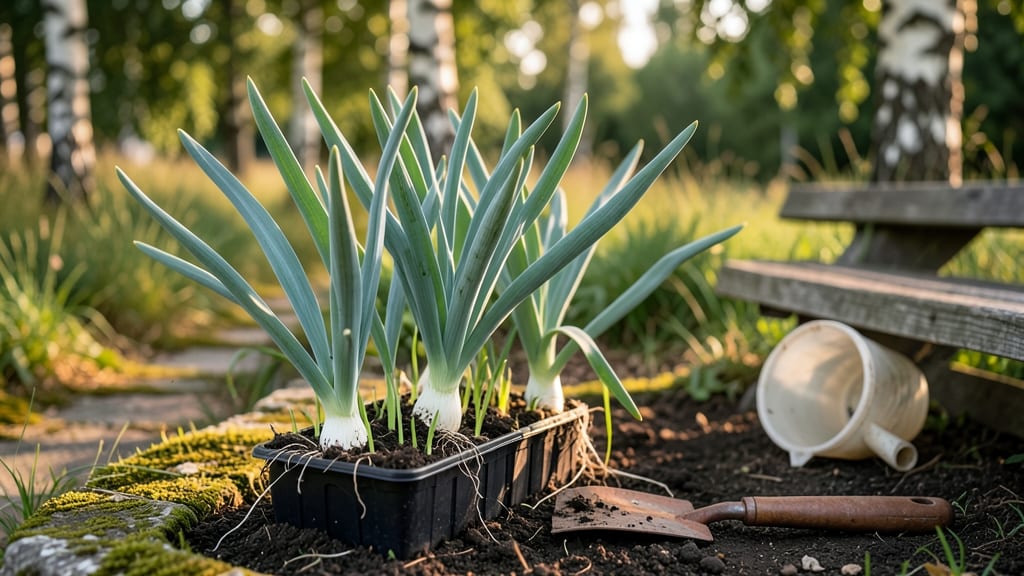
Wild leeks thrive where most plants won't—deep in the forest floor or tucked into your garden's shady corners. 🌿 I've spent years digging up these woodland gems and replanting them, and I'll show you exactly how to coax them into producing those sweet, edible bulbs year after year.
The secret isn't complicated: it's about mimicking their natural habitat while giving them the care they secretly crave.
You'll need a spot with 60-80% shade, rich soil that drains well, and patience—these bulbs grow slowly but reward you with harvests for decades. I start by amending heavy clay soil with compost and a handful of sand to keep the roots happy.
The bulbs go in 3-4 inches deep, spaced about 6 inches apart, and they prefer cooler temperatures, which means planting in early spring or fall works best.
Once established, wild leeks spread like wildfire (in a good way), sending up those familiar grass-like leaves every spring. The bulbs themselves taste like a cross between garlic and onion, and you can dig them up anytime after the first year.
The real magic happens when you pair them with companion plants like blueberries or ferns, which love the same shady conditions.
Here's the thing—wild leeks aren't fussy, but they do need consistency. Too much sun? They bolt. Too dry? They sulk. But get it right, and you'll have a self-sustaining patch that keeps giving long after most garden plants have called it quits. Let's get those bulbs in the ground!
📚 In This Guide
- What you need
- Instructions
- Tips and common mistakes
- Wrapping up and next steps
What you need
- ● Wild leek bulbs or seeds: For transplanting: 5–10 mature bulbs (harvested sustainably from the wild or purchased from a reputable supplier). Pro tip: 💡 Choose bulbs with firm, unblemished skins and healthy green shoots.
- ● For seeding: 1–2 packets of wild leek seeds (or saved seeds from a trusted source). Note: Seeds may take 3–5 years to mature!
- ● Garden soil: Well-draining, slightly acidic to neutral soil (pH 6.0–7.0). Amend with 2–3 inches of compost or organic matter if your soil is heavy or clay-like.
- ● Mulch: 2–3 inches of leaf litter, straw, or wood chips to retain moisture and mimic their natural woodland habitat.
- ● Garden fork or trowel: For digging planting holes (6–8 inches deep and wide).
- ● Watering can or hose with a gentle spray nozzle: Wild leeks love moisture but hate soggy roots!
- ○ Garden gloves (optional): To protect your hands while handling bulbs or digging in rocky soil.
- ○ String or markers (optional): To label your planting area if you’re testing different conditions.
- ● Patience: Wild leeks grow slowly! It may take 2–3 years for transplanted bulbs to establish and 5+ years for seeded plants to mature.
- ● Shade tolerance: Plant in partial to full shade (they thrive under deciduous trees or in woodland gardens).
- ● Wildlife awareness: Avoid harvesting from protected areas or over-harvesting wild populations. Pro tip: ✨ Always leave some bulbs behind to ensure future growth!
Step-by-step instructions for planting wild leeks
Here's how to establish these hardy, edible greens in your garden—no fancy tools needed.
🌱 Step 1: Choose the Right Location and Prepare the Soil
Wild leeks thrive in partial shade but tolerate full sun if kept moist. I always pick a spot with 4-6 hours of dappled sunlight daily—think under trees or near a north-facing fence. Avoid soggy areas; they rot in waterlogged soil.
Loosen the top 6 inches of soil with a fork or trowel, breaking up any compacted layers. Wild leeks spread through underground rhizomes, so you want soil that lets these roots grow freely. Mix in a handful of compost if your soil feels heavy or clay-like. The goal is loose, crumbly earth that holds moisture without staying soggy.
🪴 Step 2: Plant Wild Leek Rhizomes or Seeds
If using rhizomes (the most reliable method), cut them into 2-inch pieces, ensuring each has at least one bud. Plant these 1-2 inches deep and 6 inches apart in rows 12 inches apart. Press the soil gently around them—no need to pack it down.
For seeds, sow them ¼ inch deep in early spring. Germination takes 2-3 weeks, so keep the soil consistently moist until sprouts appear. I cover newly planted seeds with a thin layer of mulch to retain moisture and block weeds. This is the moment that matters: consistent moisture now means fewer gaps in your harvest later.
💧 Step 3: Water and Mulch for Establishment
Water deeply right after planting to settle the soil around the rhizomes or seeds. After that, keep the area moist but not soggy—wild leeks hate dry spells during their first growing season. I water 2-3 times per week until the plants reach 6 inches tall, checking the soil 1 inch down before watering.
Spread a 2-inch layer of mulch (like straw or shredded leaves) around the plants to suppress weeds and retain moisture. Keep the mulch 2 inches away from the stems to prevent rot. This step saves me hours of weeding later—trust me, it’s worth the effort.
☀️ Step 4: Maintain Through the First Year
Wild leeks are low-maintenance once established, but the first year sets the stage. Fertilize lightly in early spring with a balanced organic fertilizer (like 10-10-10) to encourage strong growth. Avoid heavy feeding—they prefer lean soil. You’ll see new shoots emerge in early spring and late summer, signaling the plant’s readiness for harvest.
Watch for yellowing leaves, which often means too much water or poor drainage. If you notice this, reduce watering and improve soil drainage by adding more compost. By the end of the first year, your wild leeks will have spread enough to provide year-round harvests with minimal effort.
✂️ Step 5: Harvest and Encourage Regrowth
Harvest leaves anytime they reach 6-8 inches tall, cutting them back to 2 inches above the ground. This encourages new growth and prevents the plant from going to seed. I harvest in early spring for the most tender shoots, then again in late summer for a second flush.
Real talk: Don’t harvest more than ⅓ of the plant at once—this keeps the rhizomes healthy and ensures a steady supply. If you’re patient, you’ll find the plants spread over time, filling in gaps naturally. Over the years, a single planting can become a self-sustaining patch that feeds you for decades.
Tips & tricks for perfect wild leek planting
These underground growing secrets will help you establish a thriving wild leek patch that feeds you for years.
The Location Factor: I can't stress enough how important that 4-6 hours of dappled sunlight is—this is the sweet spot for wild leeks. If your yard only gets full sun, plant them near a north-facing fence where they'll get morning sun and afternoon shade. In hotter climates, even more shade helps prevent the soil from drying out too quickly. I've seen wild leeks grow beautifully under fruit trees where they get filtered light all day.
Rhizome Prep Secret: When cutting those 2-inch rhizome pieces, look for sections with firm buds—they're the growth centers. Soak your rhizomes in water for 10 minutes before planting if your soil feels particularly dry. This gives them a head start on hydration. Don't worry if some pieces have no buds—they'll still grow, just more slowly. The key is to have at least one bud per piece for fastest establishment.
Watering Wisdom: Those first 2-3 weeks after planting are critical for seed germination. I set up a simple drip irrigation system to keep the soil consistently moist during this period—it's worth the investment. For established plants, the 1-inch soil check is your best friend. Stick your finger down and if it feels dry, water until moisture reaches that depth. Overwatering is just as bad as underwatering for these plants.
Mulch Magic: That 2-inch mulch layer isn't just for looks—it's a game-changer. Straw mulch breaks down slowly, adding organic matter to the soil over time. I always keep a 2-inch gap around stems to prevent rot, but I do let the mulch pile up thicker between plants. This creates a microclimate that stays moist longer and suppresses weeds more effectively. In winter, that mulch layer also protects the rhizomes from freezing temperatures.
Pro Tips for Planting Wild Leeks
- These underground growing secrets will help you establish a thriving wild leek patch that feeds you for years.
- The Location Factor: I can't stress enough how important that 4-6 hours of dappled sunlight is—this is the sweet spot for wild leeks.
- Rhizome Prep Secret: When cutting those 2-inch rhizome pieces, look for sections with firm buds—they're the growth centers.
Frequently asked questions
Got questions about planting wild leeks? You’re not alone!
Here are answers to the most common concerns—from timing to troubleshooting—so you can grow these hardy greens with confidence.
When is the best time to plant wild leeks?
Plant wild leeks in early spring (as soon as soil is workable) or fall (6-8 weeks before first frost). They thrive in cool weather and can even survive light frosts. Avoid planting in peak summer heat—bulbs may struggle to establish.
How do I tell if my wild leeks are ready to harvest?
Harvest leaves anytime they’re 6–12 inches tall (they regrow!). For bulbs, wait until late summer or early fall when tops yellow and die back. Dig carefully—bulbs multiply, so leave some to regrow for next season.
Can I grow wild leeks in containers?
Yes! Use a deep pot (12+ inches) with well-draining soil. Place in partial shade and keep soil consistently moist. Containers work well for urban gardens, but expect smaller bulbs than in-ground plantings.
What pests or diseases should I watch for?
Wild leeks are tough, but watch for leek moths (cover plants with netting) and root rot (improve drainage). Slugs may nibble—use organic barriers like crushed eggshells or diatomaceous earth.
Are wild leeks invasive? Should I avoid planting them?
Wild leeks can spread aggressively in ideal conditions (moist, shady areas). If you’re in a wild or forested area, check local regulations first. In gardens, contain them with barriers or harvest bulbs regularly to control spread.
Wrapping up and next steps
Planting wild leeks is your ticket to a year-round supply of flavorful, nutrient-packed greens with minimal effort! These hardy perennials thrive in shady spots, making them perfect for understory gardens, woodland edges, or even container setups.
Whether you’re foraging for wild ramps or cultivating your own, their resilience and bold taste reward patience—so get your hands dirty and enjoy the harvests to come. 🌱
Ready to take the next step? Start by marking your shadiest patch, gathering your supplies, and planting a few bulbs this fall. Before you know it, you’ll be savoring fresh wild leeks straight from your garden—no green thumb required!