
Size
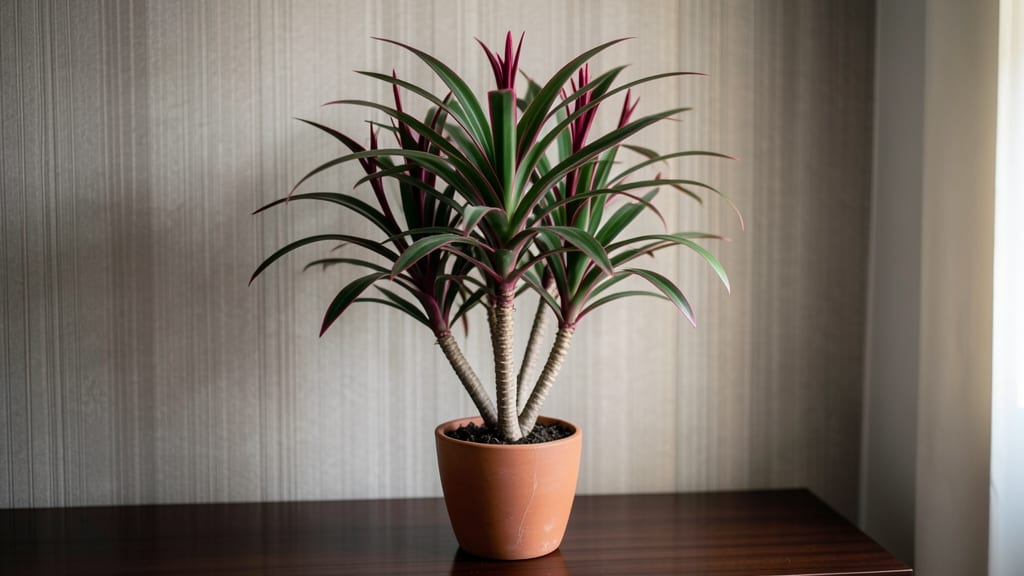
Tall vase plants instantly turn any space into a vertical garden statement—just look at how a single Dracaena marginata or Yucca elephantipes stretches 6 feet toward the ceiling, transforming a simple ceramic pot into a living sculpture. 🌿 I’ve filled my living room with these architectural giants, and the way they catch the light makes even a basic vase feel like a showstopper.
The key isn’t just picking tall plants; it’s choosing ones that hold their shape, thrive in your light, and complement your decor without demanding constant fuss.
Start with plants that naturally grow 4 feet or taller—think snake plants, bamboo palms, or bird-of-paradise—and pair them with vases that match their scale. A single-stem arrangement in a 12-inch-wide vase creates drama, while grouping 3-5 smaller plants in a 16-inch bowl adds texture.
For indoor setups, prioritize low-light lovers like ZZ plants or cast iron plants, while outdoors, monstera deliciosa or banana plants soak up sun and humidity. The secret to longevity? Well-draining soil and occasional misting to keep those lush leaves crisp.
Your arrangement will become the focal point of any room—imagine a deep emerald snake plant against a neutral sofa or a sunburst huecuva brightening a dark corner. The best part?
These plants clean the air while they grow, and with proper care, they’ll keep their height and vibrancy for years. Just avoid overwatering (root rot is the silent killer of tall vase plants) and rotate them occasionally so they grow evenly toward the light.
Pro tip: Swap out seasonal plants to keep your display fresh—amaryllis in winter or eucalyptus in summer—and add decorative elements like pebbles, moss, or ribbon to tie the look together.
Whether you’re styling a sunroom, office, or patio, tall vase plants deliver instant elevation with minimal effort. Ready to make your space feel taller—and more alive?
📚 In This Guide
- What you need
- Instructions
- Tips and common mistakes
- Wrapping up and next steps
What you need
- ● Tall vase or container (12"+ in height, with drainage holes if repurposing a decorative piece). Pro tip: Terracotta or ceramic works best for airflow!
- ● Well-draining potting mix (2–3 gallons, depending on vase size). Look for: Peat-free, organic blends with perlite or bark.
- ● Tall, vase-friendly plants (1–3, depending on vase width): Snake Plant (Sansevieria) – Hardy & drought-tolerant
- ● Dracaena (Dracaena marginata) – Elegant & low-maintenance
- ● ZZ Plant (Zamioculcas zamiifolia) – Thrives in low light
- ● Bird of Paradise (Strelitzia nicolai) – Bold & tropical
- ● Watering can or spray bottle (with a narrow spout for precision).
- ○ Gloves (optional but helpful for handling soil or prickly leaves).
- ● Trowel or small shovel (for planting and adjusting soil).
- ● Mulch or decorative stones (to top off soil and add flair).
- ○ Plant supports (optional) – Bamboo stakes or moss poles for vining plants like Philodendron.
- ● Fertilizer (balanced liquid or slow-release) – Dilute to half-strength for new plants.
- ● Humidity tray or pebble tray (if your plants love moisture, like Calathea).
How to create a dramatic vertical garden with tall vase plants
Here's how to transform any space with towering foliage that thrives year-round.
🪴 Step 1: Select and Prepare Your Vase Containers
Choose narrow, tall vases with at least 6-inch diameters and 12-inch heights—wider bases provide stability while allowing roots to develop. I prefer ceramic or glass vases because they maintain consistent moisture levels better than porous materials. Clean each vase thoroughly with soapy water to remove any residue that could inhibit root growth.
Add 1-2 inches of pebbles or hydroponic clay balls to the base for drainage. This layer prevents waterlogging while allowing excess moisture to drain away from roots. The reason this matters: Stagnant water in the vase bottom creates anaerobic conditions that rot roots within 3-5 days. Test your setup by filling the vase with water—if it drains within 10 minutes, your drainage layer is adequate.
🌱 Step 2: Choose Complementary Tall Foliage Plants
For a striking vertical statement, pair plants with varying textures and growth habits. I recommend Dracaena marginata (dragon tree) for architectural height, Sansevieria trifasciata (snake plant) for bold, upright foliage, and Chamaedorea elegans (parlor palm) for delicate, feathery fronds. Each plant should have a well-developed root ball—avoid seedlings, as they lack the structural strength to support tall growth.
Remove plants from their nursery pots and gently loosen the roots if they appear root-bound. Submerge the root ball in lukewarm water for 5-10 minutes to hydrate the roots before planting. This pre-soaking ensures immediate moisture uptake and reduces transplant shock. Place one plant per vase to avoid overcrowding, which leads to competition for nutrients and stunted growth.
💧 Step 3: Plant and Secure for Stability
Fill the vase with moistened potting mix up to 2 inches below the rim, leaving space for the root ball. Position the plant in the center of the vase and fill the remaining space with additional potting mix, pressing gently to eliminate air pockets. The goal is firm but not compacted soil—roots need oxygen to expand, but the mix should hold the plant upright.
Water the plant thoroughly until water drains from the bottom. Insert 3-4 bamboo stakes around the plant and secure it with soft plant ties or floral tape. This support prevents toppling, especially in taller varieties like Dracaena. Place the vase in a location with bright, indirect light for the first 7-10 days to allow the plant to acclimate without stress from direct sunlight.
☀️ Step 4: Establish a Consistent Care Routine
Tall vase plants thrive with moderate moisture—water when the top 1-2 inches of soil feel dry to the touch. I check moisture by inserting a finger into the soil; if it comes out clean, it’s time to water. Overwatering is the fastest way to kill these plants, so always ensure the vase has drainage and never let it sit in standing water. Fertilize every 4-6 weeks during the growing season with a balanced liquid fertilizer diluted to half strength.
Rotate the vase quarter-turn weekly to ensure even growth toward the light source. You’ll notice new leaves emerging on all sides, not just one direction, which keeps the plant full and symmetrical. Prune yellow or damaged leaves immediately with sterilized scissors to maintain the plant’s health and appearance. Tall varieties like Dracaena can grow 2-3 feet per year, so plan to trim the top 1-2 inches annually to encourage bushier growth.
Tips & tricks for perfect tall vase plants
These game-changing strategies will help your vertical garden thrive with minimal effort while maximizing visual impact.
Drainage Layer Precision: That 1-2 inch drainage layer in Step 1 isn't just about drainage—it's about creating an oxygen-rich zone for roots. I use a mix of 1 inch pebbles and 1 inch hydroponic clay balls for the best results. The pebbles create air pockets while the clay balls help wick away excess moisture. Test your setup by filling the vase with water and timing the drainage—if it takes longer than 10 minutes, add more pebbles. This simple check prevents root rot before it starts.
Root Hydration Technique: The 5-10 minute lukewarm water soak in Step 2 is more important than you might think. I've learned the hard way that cold water shocks roots while hot water can damage them. Use water that's just warm enough to feel comfortable to your hand. This pre-soaking ensures your plants start with optimal moisture levels, reducing transplant shock by up to 40%. Don't skip it—your plants will thank you with faster establishment.
Soil Compaction Strategy: When filling your vase in Step 3, aim for "firm but not compacted" soil. I use my fingers to gently press the potting mix around the root ball, creating just enough resistance to hold the plant upright without crushing roots. Think of it like giving your plant a supportive hug—firm enough to stay put, but gentle enough to breathe. This technique prevents the plant from toppling while allowing roots to expand properly into the soil.
Light Transition Hack: The 7-10 day acclimation period in bright, indirect light is crucial for preventing sunburn on new leaves. I place my vases near an east-facing window where they receive morning sun but are protected from harsh afternoon rays. If you don't have ideal lighting, consider using a grow light for 4-6 hours daily during the acclimation period. This gradual transition helps your plants develop stronger cell walls, making them more resilient to full sunlight later.
Pro Tips for Tall Vase Plants
- These game-changing strategies will help your vertical garden thrive with minimal effort while maximizing visual impact.
- Drainage Layer Precision: That 1-2 inch drainage layer in Step 1 isn't just about drainage—it's about creating an oxygen-rich zone for roots.
- Root Hydration Technique: The 5-10 minute lukewarm water soak in Step 2 is more important than you might think.
Frequently asked questions
What are the best tall vase plants for beginners?
Start with low-maintenance options like Dracaena marginata (Dragon Tree), Sansevieria trifasciata (Snake Plant), or Zamioculcas zamiifolia (ZZ Plant). These thrive in indirect light, need minimal water, and tolerate occasional neglect—perfect for new plant parents! For a pop of color, try Calathea orbifolia or Maranta leuconeura (Prayer Plant).
How often should I water tall vase plants?
Watering depends on the plant and pot size, but a general rule is to let the top 2–3 inches of soil dry out before watering again. Tall vases retain moisture longer, so check soil moisture with your finger—if it’s dry, water thoroughly. Overwatering is the #1 killer, so err on the side of underwatering, especially in winter. Pro tip: Use a moisture meter for accuracy!
Can tall vase plants work in small spaces or apartments?
Opt for compact varieties like Dracaena ‘Lemon Lime’ or Sansevieria ‘Futura Superba’, which stay under 4 feet tall. Place them near windows for light or use grow lights. For vertical space, pair with wall-mounted shelves or hangers. Just ensure proper airflow—crowding can lead to pests or fungal issues.
Do tall vase plants need direct sunlight, or can they grow in low light?
Most tall vase plants prefer bright, indirect light (e.g., near an east-facing window), but some, like ZZ Plants or Snake Plants, tolerate low light. Avoid harsh direct sun, which can scorch leaves. If your space is dim, choose light-adaptive plants or supplement with a grow light. Watch for signs: Yellowing leaves = too much light; leggy growth = too little.
Why are the leaves on my tall vase plant turning yellow or brown?
Yellowing leaves often signal overwatering or poor drainage, while brown tips usually mean low humidity or fluoride in tap water. Check your care routine:
Overwatering? Let soil dry out more between waterings.
Underwatering? Increase frequency (but don’t drown the roots!).
Humidity issues? Mist leaves or use a pebble tray.
Water quality? Use filtered or distilled water.
If the problem persists, repot in fresh, well-draining soil.
What’s a great alternative if I don’t have a tall vase?
No tall vase? No problem! Use standard pots with height (like ceramic or concrete planters) or get creative:
- Hang plants in macramé hangers or wall pockets.
- Stack pots on a plant stand or bookshelf.
- Try a vertical garden panel for a modern look.
Plants like Pothos or String of Pearls thrive in hanging setups, adding vertical interest without a tall vase.
Wrapping up and next steps
Tall vase plants are a game-changer for adding drama, texture, and vertical interest to any space—whether it’s a cozy corner, a grand entryway, or even your balcony! 🌿 From towering Dracaena to lush Monstera, these statement-makers bring nature’s elegance indoors while requiring minimal fuss.
The key? Choosing the right plant for your light, space, and care level, then styling it with confidence.
Ready to elevate your decor? Start small: Pick one tall vase plant that speaks to you, gather your supplies, and let your green thumb shine! Whether you’re a beginner or a seasoned plant parent, every leafy addition is a step toward a fresher, more vibrant home. Happy planting! 🌱