
Planting
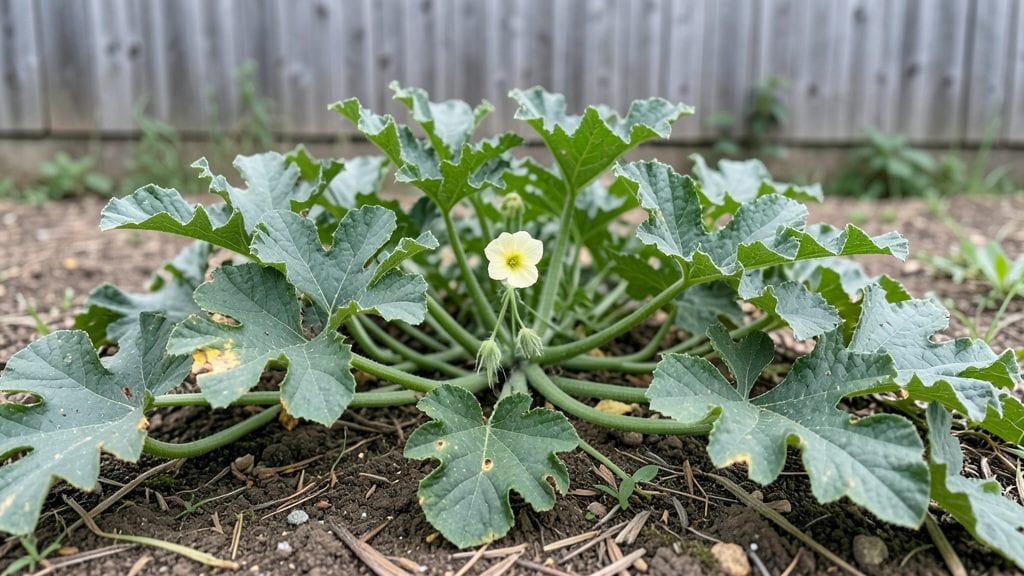
A yellow watermelon plant isn’t just a sign of trouble—it’s a cry for help from your vine. 🌱 I’ve seen healthy green vines turn dull yellow overnight, and the causes range from overwatering to nutrient starvation or even hidden pests.
The good news? Most yellowing is reversible with the right adjustments.
First, check the roots—soggy soil or compacted ground cuts off oxygen, turning leaves yellow. Then inspect for pests like aphids or spider mites, which drain sap and leave a sticky mess.
Finally, test your soil: watermelons crave nitrogen early on but need balanced nutrients as they fruit. A simple soil test can reveal what’s missing.
With the right fixes—adjusting watering, adding compost, or introducing beneficial insects—your vines will bounce back in 2-3 weeks. The key is acting fast before the problem spreads to the fruit. By the time harvest rolls around, you’ll have bold vines and sweet, striped watermelons.
For stubborn cases, like viral infections, consult a local extension office. But in most situations, these steps bring plants back to full, vibrant health. Let’s turn that yellow back to green before it’s too late.
Root Causes Behind Leaf Discoloration
If your watermelon plant is showing yellowing leaves, it’s often a cry for help from the roots—or something else critical. Understanding the why behind this symptom is the first step to restoring your plant’s vibrant green health.
Below, we break down the most common culprits, complete with science-backed explanations and actionable fixes.
Yellowing leaves, especially on younger growth, are a classic sign of waterlogged roots. When soil stays soggy for too long, roots suffocate from a lack of oxygen, leading to anaerobic conditions.
This disrupts nutrient uptake, causing leaves to turn yellow (a condition called chlorosis) before wilting or dropping.
- Why it happens: Watermelons thrive in well-draining soil but despise "wet feet." Overwatering, compacted soil, or containers without drainage holes trap excess moisture, triggering root rot (Phytophthora or Pythium fungi).
- Actionable fix:
- Check soil moisture by sticking your finger 1–2 inches deep—water only when the topsoil is dry.
- Amend heavy clay soil with perlite or compost to improve aeration.
- Repot in containers if drainage is poor, using a mix of potting soil + coconut coir.
Yellowing leaves often start at the older, lower leaves—a classic sign of nitrogen deficiency. Nitrogen is essential for chlorophyll production, and without it, leaves lose their green pigment. Other deficiencies (like magnesium or iron) can also cause yellowing, but nitrogen is the most common culprit for watermelons.
| Deficiency | Symptoms | Fix |
|---|---|---|
| Nitrogen (N) | Yellowing older leaves, stunted growth | Apply a balanced fertilizer (10-10-10) or compost tea every 2–3 weeks. |
| Magnesium (Mg) | Yellow patches between leaf veins (interveinal chlorosis) | Spray leaves with Epsom salt solution (1 tbsp/gallon water) or add magnesium-rich compost. |
| Iron (Fe) | Yellowing new leaves, pale veins | Use chelated iron supplements or adjust soil pH (watermelons prefer 6.0–6.8). |
Sap-sucking pests like aphids, spider mites, or whiteflies weaken plants by draining nutrients, leading to yellowing. Fungal diseases (e.g., powdery mildew) or bacterial infections (e.g., bacterial leaf spot) can also cause discoloration, often paired with spots, wilting, or a sticky residue (honeydew).
- Why it happens:
- Aphids inject toxins that distort leaves and stunt growth.
- Fungal diseases thrive in humid, poorly ventilated conditions.
- Root-knot nematodes damage roots, reducing nutrient absorption.
- Actionable fix:
- Inspect leaves undersides for pests—blast off with water or use neem oil.
- Prune infected leaves and apply copper fungicide for diseases.
- Rotate crops annually to prevent nematode buildup.
Extreme heat, cold snaps, or sudden temperature swings can shock watermelon plants, causing leaves to yellow as a survival mechanism. Heat stress (above 90°F/32°C) accelerates transpiration, while cold stress (below 50°F/10°C) disrupts metabolic processes.
- Why it happens:
- Heat stress: Leaves may scorch (yellow/brown edges) or wilt due to excessive evaporation.
- Cold stress: Slows nutrient uptake, leading to chlorosis.
- Windburn: Dries out leaves, causing yellowing on exposed edges.
- Actionable fix:
- Provide shade cloth (30–50%) during heatwaves.
- Use mulch to regulate soil temperature and retain moisture.
- Protect young plants with row covers during cold snaps.
Pro Tip: 💡 Always check the pattern of yellowing—older leaves? Likely nitrogen. New leaves? Could be iron or pests. Act fast, and your watermelon plant will bounce back to lush, productive greenery!
Revive Your Struggling Watermelon Vines
When your watermelon plant starts showing signs of distress—like yellowing leaves, stunted growth, or wilted vines—quick action can save the harvest. Below are practical, step-by-step solutions tailored to common issues, along with prevention tips to keep your plants thriving all season. Let’s turn those yellowing leaves into lush, productive vines!
Yellowing leaves often signal a lack of essential nutrients. Here’s how to diagnose and correct the issue:
🔥 Step 1: Identify the Deficiency
Check the color and location of the yellowing:
- Lower leaves yellowing first? → Likely nitrogen deficiency.
- Yellowing between veins? → Could be iron or magnesium deficiency (chlorosis).
- Pale yellow with weak stems? → Possible potassium or phosphorus issue.
🍳 Step 2: Apply the Right Fertilizer
- For nitrogen (lower leaves): Use a balanced fertilizer (10-10-10) or compost tea. Water the soil thoroughly after applying.
- For iron/magnesium (interveinal yellowing): Sprinkle chelated iron or Epsom salt (1 tbsp per gallon of water) around the base.
Avoid overdoing it—too much magnesium can cause calcium deficiency. - For potassium/phosphorus (weak growth): Switch to a phosphorus-rich fertilizer (like bone meal) or a potassium sulfate solution.
👨🍳 Step 3: Improve Soil Health Long-Term
- Test your soil (kits are cheap and available at garden centers).
- Amend the soil with well-rotted compost or worm castings to restore organic matter.
- Mulch heavily (2–3 inches of straw or wood chips) to retain moisture and nutrients.
💡 Pro Tip:
If your soil is too alkaline (pH > 7.0), plants can’t absorb iron or manganese, even if they’re present. Lower pH with sulfur or peat moss to help yellowing clear up.
Overwatering or underwatering can cause yellowing, wilting, or root rot. Here’s how to strike the right balance:
🌡️ Step 1: Check the Soil Moisture
- Stick your finger 1–2 inches into the soil. If it’s dry, water deeply. If it’s soggy, hold off and improve drainage.
- Yellowing + mushy stems? → Root rot from overwatering. Act fast!
🔪 Step 2: Adjust Your Watering Routine
- Water deeply but infrequently (1–2 inches per week, more in heatwaves).
- Water at the base (not leaves) to prevent fungal diseases.
- Use drip irrigation or soaker hoses to deliver water slowly and evenly.
⏰ Step 3: Fix Drainage Issues
- If your soil stays waterlogged, raise beds or add perlite/sand to improve aeration.
- Avoid planting in low spots where water pools.
🎯 Prevention Tip:
Install a moisture meter to track soil conditions—no more guesswork!
Pests like aphids, spider mites, or fungal infections (like powdery mildew) can stress plants, leading to yellowing. Here’s how to combat them:
🔥 Step 1: Inspect for Pests
- Check undersides of leaves for tiny bugs, webs, or holes.
- Yellowing + sticky residue? → Aphids or whiteflies are likely sucking sap.
🍳 Step 2: Treat Infestations
- For soft-bodied pests (aphids, mites): Spray with neem oil or insecticidal soap (follow label instructions).
- For fungal issues (powdery mildew): Apply baking soda spray (1 tsp baking soda + 1 quart water + a drop of dish soap) or copper fungicide.
- For severe cases: Remove heavily infested leaves and dispose of them in the trash (not compost).
👨🍳 Step 3: Prevent Future Outbreaks
- Rotate crops yearly to prevent soil-borne diseases.
- Prune for airflow—crowded plants stay damp and attract pests.
- Use reflective mulch (aluminum foil) to deter pests like aphids.
💡 Pro Tip:
Ladybugs and lacewings are natural predators of aphids. Release them in the evening when they’re most active!
Heatwaves, cold snaps, or poor sunlight can shock watermelon plants into turning yellow. Here’s how to help them recover:
🌡️ Step 1: Protect from Extreme Heat
- Shade cloth (30–50%) can prevent leaf scorch in temperatures above 90°F (32°C).
- Mulch heavily to keep roots cool.
- Water in the early morning to reduce evaporation.
❄️ Step 2: Shield from Cold Damage
- Frost-sensitive? Cover plants with row covers or old bedsheets if temps drop below 50°F (10°C).
- Black plastic mulch warms soil faster in spring.
🔄 Step 3: Optimize Sunlight
- Yellowing + leggy growth? → Not enough light. Move plants to a sunnier spot (watermelons need 6–8 hours of direct sun).
- Too much harsh sun? Provide light shade during peak afternoon heat.
🎯 Prevention Tip:
Hardening off seedlings (gradually exposing them to outdoor conditions) prevents shock when transplanting.
| Issue | Quick Fix | Prevention |
|---|---|---|
| Nutrient deficiency | Fertilize + compost | Test soil yearly, mulch regularly |
| Over/underwatering | Adjust frequency + improve drainage | Use moisture meter, drip irrigation |
| Pest infestation | Neem oil, remove affected leaves | Encourage beneficial insects |
| Environmental stress | Shade/cloth, mulch, proper sunlight | Monitor weather, use row covers |
With these targeted solutions, your watermelon plant should bounce back stronger—and soon, you’ll be feasting on juicy, vine-ripened fruit all season! 🍉✨
Frequently asked questions
Why do watermelon leaves turn yellow first on the older ones?
Older leaves yellowing first is usually a sign of nitrogen deficiency. Watermelons prioritize sending nutrients to new growth, so when nitrogen runs low, the plant "recycles" it from older leaves. Check if your soil feels compacted or lacks organic matter—adding compost or a balanced fertilizer (like 10-10-10) should help within 2-3 weeks.
Can yellow leaves spread to the fruit?
Not directly, but severe stress from yellowing leaves can reduce fruit quality. If the issue is nutrient deficiency or pests, the plant may divert energy away from fruit development. Act fast—fix the root cause (like adjusting watering or treating pests) to ensure sweet, properly sized watermelons. Yellow leaves won’t infect the fruit, but they signal the plant needs help.
Is it safe to prune yellow leaves off my watermelon plant?
Yes! Pruning yellow leaves improves airflow and helps the plant focus energy on healthy growth. Use clean scissors to snip leaves at the base, and dispose of heavily diseased ones (not compost). Avoid over-pruning—remove only 20-30% of the foliage to prevent shocking the plant. Focus on leaves with spots or pests first.
How do I tell if yellow leaves are from overwatering vs. underwatering?
Overwatering causes yellowing + mushy stems (root rot), while underwatering leads to crispy, dry edges. Check soil moisture: If it’s soggy, cut back watering and improve drainage. If dry, water deeply but less frequently. Watermelons need 1-2 inches of water weekly—adjust based on your climate and soil type.
Will Epsom salt fix yellowing watermelon leaves?
Only if the issue is a magnesium deficiency! Mix 1 tablespoon of Epsom salt per gallon of water and spray on leaves weekly for 2-3 weeks. For other deficiencies (like nitrogen), Epsom salt won’t help—use a balanced fertilizer instead. Test your soil first to diagnose the exact problem.