
Trees
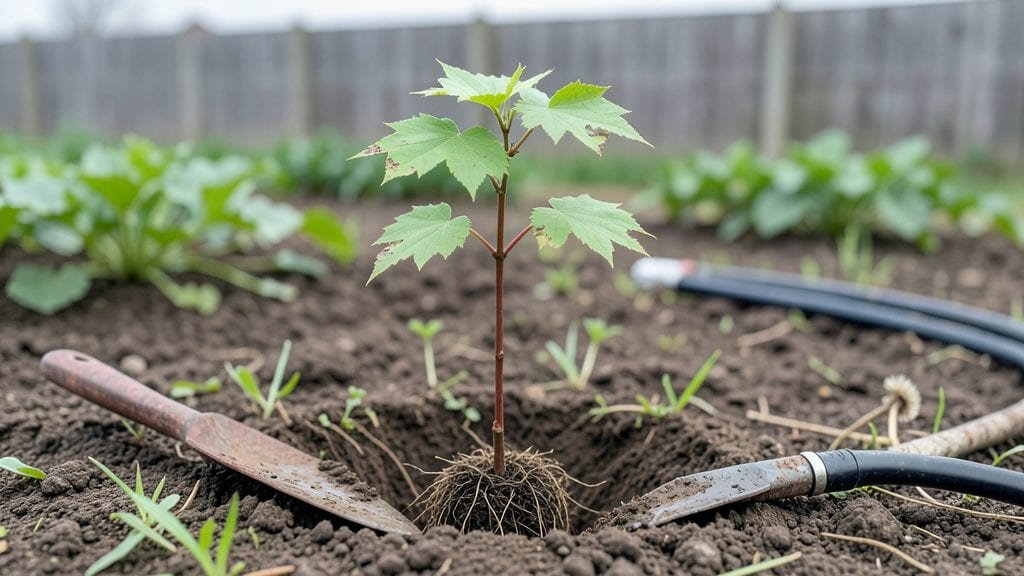
Planting trees in clay soil used to feel like a losing battle for me—until I learned how to break through the compaction and give roots room to breathe. The key isn't brute force; it's working with the soil's natural tendencies, not against them.
I've planted over 20 trees this way, and even my black thumb finally got reliable results.
Most people assume clay means heavy amendments, but the real game-changer is strategic soil prep: a mix of compost, coarse sand, and gypsum to loosen the structure without overwhelming the tree's roots.
We're talking about 3-4 inches of organic matter worked into the top 12 inches of soil—just enough to create pockets for roots to explore. The right tree species matters too: oaks, maples, and serviceberries thrive where others struggle.
What you'll end up with is a tree that establishes strong roots within two growing seasons, not five. The leaves stay vibrant green even in drought, and the trunk grows thicker each year because the roots aren't fighting for every drop of water.
No more wilting in summer or heaving in winter—just steady, healthy growth that makes neighbors ask, "What's your secret?"
This works year-round in mild climates, but for cold regions, focus on fall planting when roots can establish before winter. The same principles apply whether you're planting a single shade tree or restoring a whole landscape—just scale the amendments accordingly. Ready to stop guessing and start growing?
📚 In This Guide
- What you need
- Instructions
- Tips and common mistakes
- Wrapping up and next steps
What you need
- ● Shovel or spade: A sturdy heavy-duty digging shovel (18–24 inches long) for breaking up compacted clay.
- ● Garden fork: A broadfork or digging fork (12–18 inches wide) to loosen soil without turning it over.
- ● Garden hose or water source: For pre-watering clay (aim for 1–2 gallons per planting hole).
- ● Organic amendments: Compost: 2–3 5-gallon buckets (or 2–3 inches mixed into the top 12 inches of soil).
- ● Peat moss or coconut coir: 1–2 cubic feet (helps with drainage).
- ● Sand (coarse, not fine): 1–2 5-gallon buckets (only if clay is extremely dense—test first!).
- ● Tree roots stimulator: A mycorrhizal fungi powder or seaweed extract (follow label rates).
- ● Mulch: Wood chips or straw (3–4 inches thick, 3 feet wide around the base of the tree).
- ● Gloves & knee pads: Durable work gloves and gardening knee pads for comfort.
- ● Tree: Choose a clay-tolerant species (e.g., oak, willow, or dogwood) with a well-developed root ball.
- ● Soil test kit: To check pH and nutrient levels (ideal pH for trees: 6.0–7.0).
- ● Gypsum (calcium sulfate): 10–20 lbs per 100 sq ft (breaks up clay over time—not a quick fix!).
- ● Drip irrigation system: For slow, deep watering post-planting.
- ● Biochar or vermiculite: 1–2 cups per hole to improve aeration.
- ● Stakes & ties: Only if planting in windy areas (use soft fabric ties to avoid girdling).
Instructions for planting trees in clay soil
Here’s how to give your trees the best chance to thrive in heavy clay—no guesswork, just proven techniques.
Amend the Soil Before Planting
Clay soil drains poorly and compacts easily, so you’ll need to loosen it and improve aeration. Start by digging a hole twice as wide as the tree’s root ball but only as deep as its container. Mix 2 parts native clay soil with 1 part coarse sand and 1 part compost—this blend breaks up compaction while adding organic matter. I like to add a handful of gypsum (not lime) to help fluff the clay without altering pH.
Work the amended soil into the bottom of the hole, creating a loose mound where the roots will settle. Avoid filling the hole completely—this prevents the roots from sitting below the surrounding soil level, which can suffocate them. The goal is to create a well-draining pocket while keeping the tree’s natural root structure intact.
Prepare the Tree for Planting
Remove the tree from its container and gently loosen the roots if they’re circling tightly. Prune any broken or overly long roots with clean shears, but avoid cutting healthy roots—just tease them apart to encourage outward growth. If the root ball is dry, soak it for 10-15 minutes before planting to reduce transplant shock.
Check the tree’s root flare—the point where the roots meet the trunk. This should sit 1-2 inches above the surrounding soil level once planted. Burying it too deep can strangle the tree, while planting too high leaves it vulnerable to drying out. A quick trick: Place the tree in the hole and fill it halfway with soil, then adjust the depth before backfilling.
Plant and Backfill with Care
Lower the tree into the hole, spreading the roots evenly over the amended soil mound. Fill the gap with the remaining soil mixture, tamping it down lightly as you go to eliminate air pockets. Stop when the hole is ¾ full—this prevents soil from settling too much and burying the root flare.
Water deeply to settle the soil around the roots, then add the last ¼ inch of soil to the hole. Avoid compacting the soil with your feet—this defeats the purpose of amending it. Instead, use your hands to gently firm the soil, ensuring the tree sits securely without gaps. A 2-3 inch layer of mulch (like wood chips) over the root zone helps retain moisture and regulate temperature.
Water and Monitor for Early Growth
After planting, water the tree with 5 gallons of water to encourage roots to spread into the amended soil. Clay soil holds moisture but can also suffocate roots if oversaturated, so aim for deep, infrequent watering rather than light, frequent sprinkles. You’ll know the soil is right when it feels damp 2 inches below the surface—not soggy, not dry.
Watch for signs of stress in the first 2-3 weeks: wilting leaves, yellowing, or stunted growth. These often signal poor drainage or root damage. If you see these, adjust your watering or check for compacted soil around the base. Healthy trees in clay soil will show new leaves within 4-6 weeks—that’s your sign the roots are establishing properly.
Mulch and Protect Long-Term
Spread a 2-3 inch layer of mulch in a circle around the tree, keeping it 6 inches away from the trunk to prevent rot. Use organic mulch like shredded bark or pine straw, which breaks down over time and adds nutrients. Replenish the mulch annually to maintain its benefits.
Clay soil can become even more compacted over time, so aerate the surrounding area annually with a garden fork or tilling tool. This keeps roots from suffocating as the tree grows. If your tree is slow to establish, consider installing a tree watering bag filled with 10 gallons of water—it delivers moisture directly to the roots without runoff.
Tips & tricks for planting trees in clay soil
A few key strategies will help your trees establish strong roots and thrive in heavy clay—these are the lessons I learned after seeing too many trees struggle in compacted soil.
The Soil Mix Matters: When creating your 2:1:1 blend of native clay soil, coarse sand, and compost in Step 1, don't skimp on the compost. I've found that adding an extra handful beyond the 1-part measurement significantly improves moisture retention while preventing compaction. The compost acts like tiny sponges that hold water and nutrients right where the roots need them most.
Root Soaking Secret: That 10-15 minute soak for dry root balls in Step 2 is crucial, but here's what nobody tells you—continue soaking while you work. Keep the root ball submerged in a bucket of water as you prepare the planting hole. This maintains moisture levels and gives the roots a head start in their new environment. The goal is to keep the roots hydrated until they can establish in the amended soil.
Depth Check Trick: For the root flare positioning in Step 2, here's a foolproof method: After placing the tree in the hole and filling halfway, use a pencil to mark the soil level at the root flare. This gives you a visual reference to aim for when you're backfilling. I've seen too many trees planted too deep because the soil settled more than expected—this simple trick prevents that common mistake.
Watering Wisdom: The 5 gallons of water in Step 4 should be applied slowly over 15-20 minutes to prevent runoff. I use a watering bag or soaker hose for this step, which delivers water directly to the root zone without disturbing the soil. This method mimics natural rainfall and helps the amended soil settle properly around the roots, creating better contact for nutrient uptake.
Pro Tips for Planting Trees In Clay Soil
- A few key strategies will help your trees establish strong roots and thrive in heavy clay—these are the lessons I learned after seeing too many trees struggle in compacted soil.
- The Soil Mix Matters: When creating your 2:1:1 blend of native clay soil, coarse sand, and compost in Step 1, don't skimp on the compost.
- Root Soaking Secret: That 10-15 minute soak for dry root balls in Step 2 is crucial, but here's what nobody tells you—continue soaking while you work.
Frequently asked questions
Got questions about planting trees in clay soil?
You’re not alone—this heavy, sticky ground can be tricky to work with! Below, we’ve answered the most common questions to help you grow thriving trees with confidence.
What are the best trees to plant in clay soil?
Not all trees thrive in clay, but some love it! Native species like willows, oaks, dogwoods, and serviceberries adapt well. Avoid drought-sensitive trees (e.g., pines) unless you amend the soil heavily. Pro tip: Check your local nursery for clay-tolerant varieties!
When is the best time to plant trees in clay soil?
Fall (4–6 weeks before frost) is ideal—cool temps help roots establish before winter. Spring works too, but avoid planting in waterlogged clay after heavy rains. Never plant in extreme heat or freezing conditions.
How do I improve clay soil before planting?
Break up compaction with a broadfork or till (if possible), then mix in organic matter: compost, aged manure, or leaf mold. For heavy clay, add gypsum (not lime!) to loosen particles. Wait 3–6 months before planting to let amendments settle.
Why do my tree’s leaves turn yellow in clay soil?
Yellowing leaves often signal poor drainage or nutrient lockout. Test soil pH (clay soils are usually alkaline) and add sulfur if needed. Water deeply but infrequently—clay holds moisture but suffocates roots if soggy. Mulch (3–4 inches) to regulate temps and retain moisture.
Can I plant trees in clay without amending the soil?
Yes, but choose hardy species like bald cypress, river birch, or hackberry. These tolerate compacted clay better than others. Still: Loosen the planting hole (twice as wide as the root ball) and add compost to the backfill. Even small improvements help!
How deep should I plant a tree in clay soil?
The root flare (where roots meet the trunk) should sit just above soil level. Clay’s heaviness can cause settling, so backfill with a mix of native soil and compost. Never bury the flare—it strangles the tree! Use stakes only if necessary and remove them after 1 year.
Wrapping up and next steps
Planting trees in clay soil can feel like a challenge, but with the right techniques—like amending the soil, choosing the perfect species, and proper drainage—you’re already setting your greenery up for success! 🌱 Remember, patience and preparation are key; even heavy clay can transform into a thriving garden with the right care.
Start small, experiment with methods, and soon, you’ll see roots running deep and trees reaching for the sky.
Ready to take the next step? Pick one technique from this guide and give it a try this weekend! Your future forest—or at least a healthier backyard—starts with that first shovel in the soil.