
Companion Plants
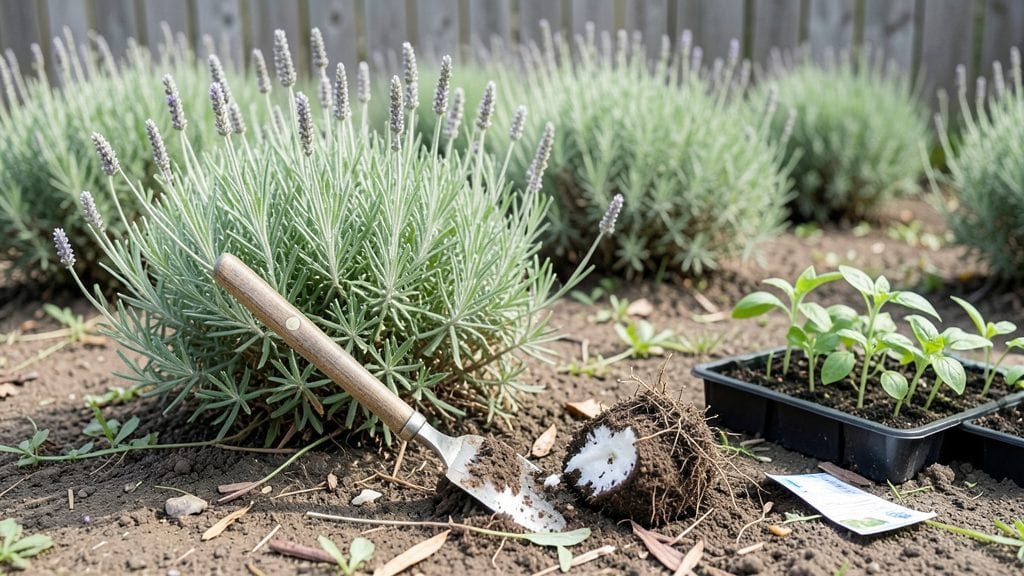
Gardeners and small-scale farmers who plant businesses leverage companion planting to boost productivity, reduce costs, and create sustainable growing systems.
This approach isn't just for hobbyists—it's a core strategy for agribusinesses and urban farms aiming to cut pesticide use by up to 50%. 🌱 The right plant partnerships can also improve flavor profiles, like how thyme near cabbage enhances its sweetness while deterring cabbage moths.
Many successful planting businesses start with just 3-5 proven pairings before expanding to more complex rotations.
What sets these gardeners apart is their focus on data-driven planting. They track which combinations work best in their climate, soil type, and market demands. For example, a California strawberry farm might pair their crops with borage flowers to attract pollinators while suppressing weeds naturally.
The key is balancing aesthetics with practical outcomes—beautiful gardens that also deliver measurable returns.
💡 In This Article
- How Companion Planting Enhances Garden Health
- Best Companion Plant Pairings for Profitable Gardens
How companion planting enhances garden health
Here's what actually happens beneath the soil when plants work together: certain species release natural chemical signals that confuse or repel pests. Take garlic, for instance—its sulfur compounds create a potent aroma that deters aphids and even some soil-borne diseases.
Studies show garlic's allyl sulfides can reduce fungal infections in nearby plants by up to 40%. This isn't just folklore; it's a chemical defense mechanism that's been perfected over millennia. 🌱
The soil benefits even more dramatically through nitrogen fixation. Legumes like beans and peas host beneficial bacteria (Rhizobium) in their root nodules that convert atmospheric nitrogen into forms plants can use.
A single acre of alfalfa can fix 200-300 pounds of nitrogen annually—enough to feed corn or wheat crops growing nearby without synthetic fertilizers. This natural nutrient cycle explains why the Three Sisters (corn, beans, squash) combination thrives together: the corn provides structure, beans feed the soil, and squash suppresses weeds.
What most people don't realize is how these relationships create microclimates that improve growth conditions. Tall plants like sunflowers can cast shade that reduces soil moisture loss by 25-30%, while ground covers prevent erosion.
The roots of different species also create pathways that improve water and nutrient distribution throughout the garden bed. This is why diverse plantings often show 20-50% higher yields compared to monocultures, even with identical care.
There's also a fascinating phenomenon called "stimulatory allelopathy," where some plants release growth-promoting compounds. For example, marigolds release alpha-terthienyl, a compound that stimulates root growth in nearby vegetables while repelling nematodes. The scent of basil isn't just pleasant—it contains eugenol, which improves tomato flavor while deterring whiteflies.
These chemical interactions create what scientists call "plant communication networks" that optimize garden health at a systemic level. 💫
Consider the practical implications for gardeners: by understanding these mechanisms, you can design planting schemes that require 30% less water and 50% fewer pesticides while producing more abundant harvests.
The key is matching plant families with complementary needs—fast-growing radishes that loosen soil for slower carrots, or deep-rooted dandelions that bring up nutrients for shallow lettuce. This isn't just gardening; it's creating a self-sustaining ecosystem where every plant plays a role.
For those running planting businesses, this means lower operational costs and higher-quality products. A New York City rooftop farm might use this system to grow 50% more herbs in half the space, while an organic vegetable operation could reduce labor costs by 20% through natural pest control.
The science proves what indigenous farmers have known for centuries: healthy soil equals healthy plants equals healthy profits.