
Lawn
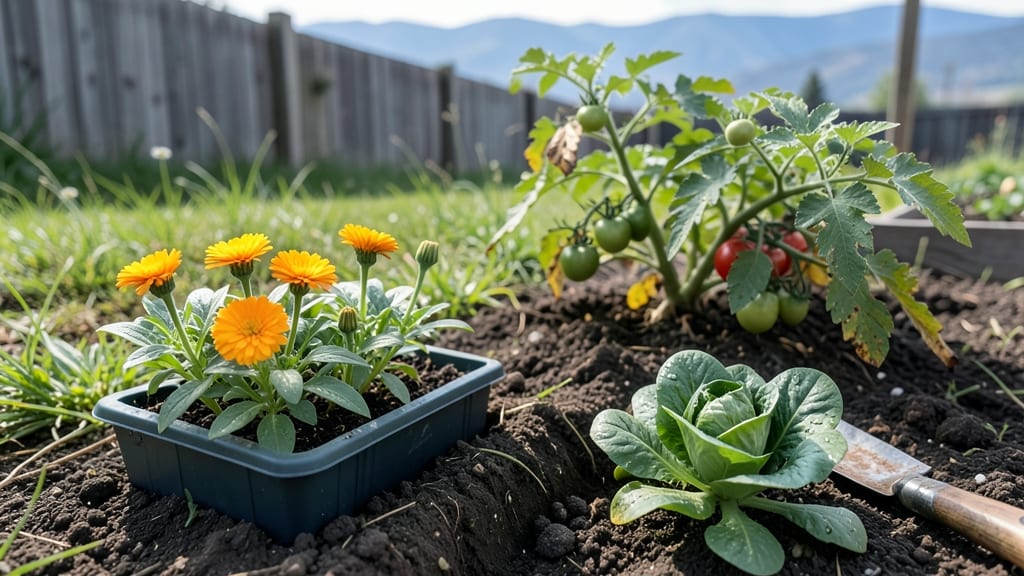
A Denver planting calendar is your secret weapon for turning the Mile High City’s tricky climate into a gardener’s dream 🌱.
Denver’s high-altitude climate and unpredictable weather can make gardening a challenge—but timing your plantings right ensures a thriving harvest year-round. Whether you’re sowing cold-hardy kale in early spring or extending the season with row covers, this month-by-month guide keeps your garden on track.
From the last frost date (around May 10) to the first chill of fall, we’ll break down the best times to plant vegetables, flowers, and perennials for Denver’s USDA Zone 5b-7a. No more guessing—just a clear, actionable schedule tailored to your elevation.
Discover when to start seeds indoors, transplant seedlings, and harvest for peak flavor, plus pro tips to beat Denver’s short growing season. Ready to grow like a local?
Denver planting calendar: best months to plant vegetables by type
Denver’s cool nights and warm days create a unique growing window that rewards gardeners who time their plantings carefully. With an average last frost date of May 10 and first frost around October 5, you can grow a variety of vegetables—if you know when to start.
Cool-season crops thrive in early spring and fall, while warm-season plants need the heat of summer to flourish.
Understanding Denver’s USDA Zone 5b/6a climate helps you avoid common mistakes like planting tomatoes too early or harvesting kale before the first frost. Below, I’ve broken down the best months to plant cool-season crops, warm-season crops, and perennial herbs for a productive garden all year.
Use this Denver planting calendar as your guide to maximize your harvest. Whether you’re a beginner or a seasoned gardener, timing is everything in the Mile High City’s high-altitude climate.
Pro Tip: Always check soil temperatures with a soil thermometer (aim for 40°F for cool-season crops and 60°F+ for warm-season crops) to ensure optimal growing conditions.
🌱
| Plant Type | Best Planting Months | Sunlight Needs | Notes |
|---|---|---|---|
| Cool-Season Crops | March–April (direct sow), August–September (fall) | Full sun to partial shade | Spinach, kale, carrots, peas, lettuce |
| Warm-Season Crops | May–June (after last frost) | Full sun (6+ hours) | Tomatoes, peppers, corn, beans, cucumbers |
| Perennial Herbs | April–May (spring) or September (fall) | Full sun to partial shade | Rosemary, thyme, oregano, sage, chives |
| Succession Planting | Every 2–3 weeks (May–August) | Full sun | Lettuce, radishes, beans, zucchini |
For cool-season crops, start seeds indoors in February or direct-sow in March–April. These hardy plants like spinach, kale, and carrots can handle Denver’s chilly mornings and even thrive after the first frost in October. Try planting baby greens every 2 weeks for a continuous harvest.
Warm-season crops like tomatoes and peppers need to wait until after Denver’s average last frost (May 10).
Use black plastic mulch to warm the soil faster and protect young plants from late frosts. Corn and cucumbers also prefer warm soil, so avoid planting them before mid-May unless you’re using a greenhouse.
Perennial herbs like rosemary and thyme are low-maintenance once established. Plant them in spring (April–May) or fall (September) to give roots time to settle before winter. These herbs thrive in Denver’s well-draining soil and dry climate, making them perfect for beginners.
Succession planting is a game-changer in Denver’s short growing season. Instead of planting all your lettuce or radishes at once, sow small batches every 2–3 weeks from May through August. This ensures a steady supply of fresh produce without overwhelming your garden space.
Don’t forget to monitor your garden for pests like Colorado potato beetles or diseases from excess moisture. Denver’s dry air usually keeps fungal issues at bay, but consistent watering in the root zone (not overhead) is key, especially for leafy greens.
By following this Denver planting calendar, you’ll avoid common pitfalls like planting too early or harvesting at the wrong time. Adjust based on your microclimate—south-facing gardens stay warmer, while north-facing spots may need extra protection.
Happy gardening, and may your Mile High harvests be bountiful! 🌻
High-altitude gardening tips to extend Denver’s growing season
Denver’s short growing season and cool nights can leave gardeners scrambling to protect tender plants. The key to success lies in strategic tools and techniques that shield crops from late frosts and early chills.
I’ve found that combining season-extending methods with the right plant varieties can add 4-6 weeks to your harvest window—without sacrificing yield or health.
One of my favorite tricks is using cold frames and row covers to create microclimates. These simple structures trap heat during the day and insulate plants at night, allowing me to start warm-season crops like tomatoes and peppers 2-3 weeks earlier than the traditional last frost date.
For example, I’ve successfully planted cherry tomatoes in early April under a cold frame, harvesting by mid-July—something nearly impossible without protection.
Here’s how I weigh the pros and cons of organic vs. synthetic soil amendments to boost high-altitude garden success:
Organic vs. Synthetic Soil Amendments for Denver Gardens
Organic Amendments
- Pros: Improves soil structure long-term, adds nutrients gradually, supports microbial life
- Best for: Cold-season crops (kale, spinach), perennials, and organic-certified gardens
- Examples: Compost, worm castings, alfalfa meal
Synthetic Amendments
- Pros: Fast nutrient availability, precise nutrient ratios, works in poor soil quickly
- Best for: Warm-season crops (tomatoes, peppers), high-demand plants, quick fixes
- Examples: 10-10-10 fertilizer, slow-release pellets, lime for pH adjustment
Cons of Organic
- Slower nutrient release
- Can attract pests if overused
- Requires more frequent application
Cons of Synthetic
- Can burn plants if overapplied
- No long-term soil improvement
- Environmental concerns with runoff
My approach: Use organic amendments as a base (compost + worm castings) and supplement with synthetic for high-demand crops like tomatoes and peppers.
Another game-changer for Denver gardeners is succession planting. Instead of planting all your lettuce or radishes at once, I stagger plantings every 2-3 weeks from April through July. This ensures a continuous harvest and reduces waste.
For instance, I plant bush beans in three batches: early May, late May, and early June. The first batch matures just as the last frost risk passes, while the final batch produces pods well into September.
For heat-tolerant varieties, I always opt for heirloom tomatoes like ‘Cherokee Purple’ or ‘Brandywine’—they handle Denver’s hot afternoons and cool nights better than commercial hybrids. Pair these with shade cloth during peak summer (July-August) to prevent sunscald.
I’ve also had success with Swiss chard and kale, which thrive in our 50°F nighttime temps and even improve in flavor after light frosts.
Finally, don’t underestimate the power of mulching. A 2-3 inch layer of straw or wood chips insulates soil, retains moisture, and regulates temperature. In my garden, mulch keeps roots 5-10°F warmer than unmulched beds—a critical buffer during Denver’s unpredictable spring nights.
For extra protection, I top mulch with black plastic sheeting in early spring to warm the soil faster for warm-season starters like peppers.
With these strategies, I’ve extended my growing season by nearly two months—enough to grow two full harvests of tomatoes and three of lettuce in a typical year. The secret isn’t working harder; it’s working smarter with the right tools and timing. 🌱