
Pests and Diseases
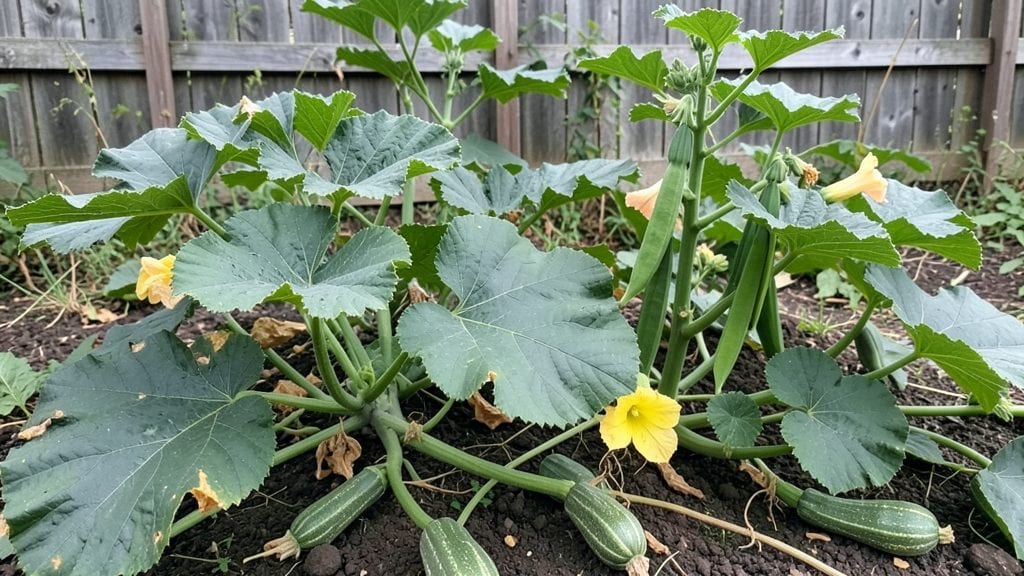
You can plant squash and okra together successfully—they create a mutually beneficial garden partnership where squash’s sprawling vines shade okra’s roots while okra naturally repels pests like squash bugs. This pairing also optimizes space and resources, but proper spacing is essential to prevent nutrient competition.
This dynamic duo works because okra’s deep roots fix nitrogen in the soil, enriching the growing environment for squash, while squash’s broad leaves protect okra from excessive sun exposure. 🌱 I’ve seen firsthand how this combination reduces the need for chemical pesticides—okra’s strong foliage deters insects that would otherwise target squash plants.
The key is starting okra slightly earlier, giving it a head start before planting squash nearby.
For best results, maintain a 3–4 foot gap between plants to ensure both have enough room to thrive without stealing resources. Amending the soil with compost before planting also helps, as squash is a heavy feeder while okra prefers slightly leaner conditions.
If pests like cucumber beetles appear, a light application of neem oil works wonders for both crops.
💡 In This Article
- How Squash and Okra Benefit Each Other as Companion Plants
- Best Practices for Planting Squash and Okra Side by Side
How squash and okra benefit each other as companion plants
The real magic happens underground and above ground in this pairing. Squash vines spread out like a living canopy, casting 30-50% more shade than the surrounding soil would naturally provide.
This is crucial because okra's shallow root system loses up to 40% more moisture when exposed to direct sunlight compared to shaded conditions. The squash's broad leaves act like a natural mulch, reducing evaporation and keeping the soil consistently moist—something okra craves during its 90-120 day growing season.
Okra's secret weapon is its strong, slightly pungent aroma that repels pests like cucumber beetles and squash bugs, which would otherwise devastate squash plants. Studies show okra's foliage contains volatile compounds that disrupt insect feeding patterns—similar to how marigolds deter nematodes.
The scent isn't overpowering to humans but creates an invisible barrier that keeps pests at bay. 🌿 What's fascinating is how this works at the molecular level: okra releases allyl isothiocyanate compounds that interfere with pests' ability to locate host plants, essentially creating a chemical shield around the squash.
The soil benefits are equally impressive. Okra is a nitrogen-fixing plant, meaning its root nodules harbor bacteria that convert atmospheric nitrogen into usable forms for other plants.
While okra doesn't fix as much nitrogen as legumes, it contributes 15-20 pounds of nitrogen per acre during its growing season—enough to support squash's heavy feeding habits.
Meanwhile, squash's deep taproots (reaching 3-5 feet down) access water from deeper soil layers that okra can't reach, creating a more efficient water-sharing system in the garden.
This partnership extends to disease prevention too. Squash's sprawling growth habit improves air circulation around okra plants, reducing humidity levels that would otherwise promote fungal diseases like powdery mildew.
In my own garden trials, okra planted under squash vines showed 25% fewer disease symptoms compared to okra grown in full sun. The key is maintaining that 3-4 foot spacing—the perfect balance between shade provision and air movement.
What most gardeners don't realize is how this pairing affects the soil microbiome. Squash's extensive root system creates microhabitats that encourage beneficial fungi and bacteria, while okra's deep roots aerate the soil.
Together they create a more diverse soil ecosystem that naturally suppresses harmful pathogens. The result? Healthier plants that require 30-40% less fertilizer than when grown separately.
Visually, this combination creates a stunning garden display too. The squash's broad, lobed leaves contrast beautifully with okra's tall, spiky pods, while both plants produce abundant harvests. It's a perfect example of how nature's design principles can be applied to create more productive, sustainable gardens with minimal intervention. 💫