
Vegetables
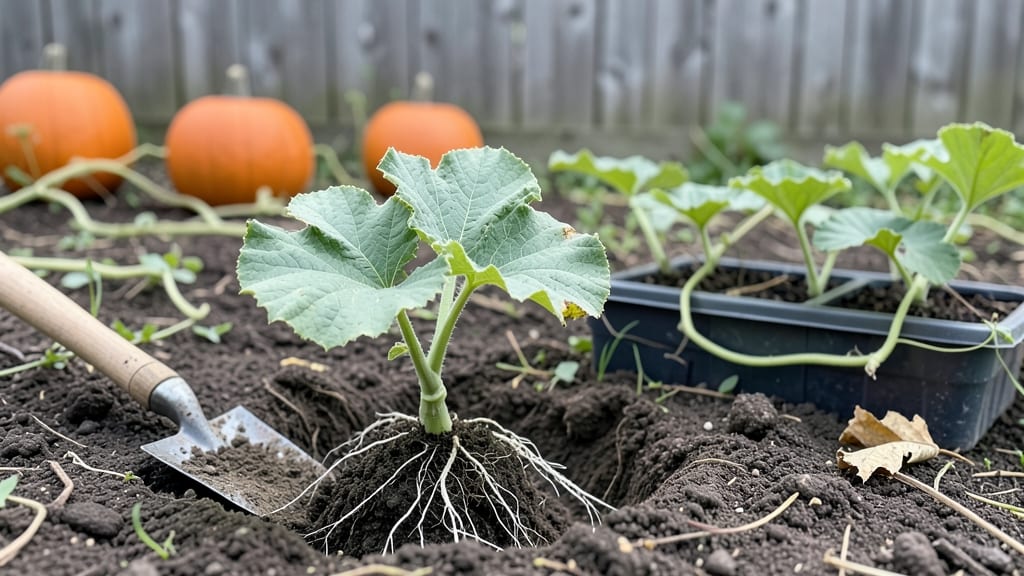
Knowing when to start planting pumpkins is key—getting the timing wrong can turn your lush vines into a wilted disappointment 🎃.
Timing is everything when growing pumpkins—plant too early or too late, and you’ll miss the sweet spot for a bountiful harvest. Learn the exact soil temperatures, sunlight requirements, and regional rules to ensure your pumpkins thrive from seed to vine.
In most regions, like Zone 6a, the ideal window is 2-4 weeks after your last frost date, typically mid-April to early May. But soil temperature matters just as much as the calendar—seeds need at least 70°F to germinate properly.
Below, I’ll walk you through the best planting times for your area, whether to start indoors or direct-sow, and how to pick the right pumpkin variety for your climate.


Optimal soil temperature & timing for planting pumpkin seeds
Pumpkins are warm-season crops that demand precise planting timing to thrive. The soil temperature must reach at least 50°F (10°C) for germination, but ideal conditions are 70°F (21°C) or warmer.
Cold soil slows growth and increases disease risk, so timing your planting to match your USDA hardiness zone is critical. Whether you're in Zone 3 or Zone 11, understanding your last frost date and soil warmth is the key to success.
Direct-sowing pumpkin seeds is the preferred method, as they hate transplanting. However, if you live in cooler climates (Zones 3-5), you might start seeds indoors 4-6 weeks before the last frost date.
For warmer zones (6-11), you can plant seeds directly into the garden as soon as the soil warms up—typically mid-spring to early summer. Always check your local frost-free date and adjust accordingly.
Here’s a quick reference for your planting window based on USDA zones and soil temperature thresholds:
| USDA Zone | Soil Temp Threshold | Planting Window | Notes |
|---|---|---|---|
| 3-5 | 50-60°F (10-15°C) | Late May - Early June | Start indoors 4-6 weeks before last frost. |
| 6-7 | 60-70°F (15-21°C) | Mid-May - Early June | Direct-sow after soil warms; avoid frost risk. |
| 8-9 | 70-80°F (21-27°C) | April - Early May | Plant early for summer varieties; extend season with mulch. |
| 10-11 | 80°F+ (27°C+) | Late February - March | Year-round planting possible; use shade cloth for summer heat. |
In cooler climates (Zones 3-5), pumpkins need a long growing season of 90-120 days to maturity. Choose early-maturing varieties like 'Jack Be Little' (75 days) or 'Small Sugar' (85 days) to ensure harvest before frost.
For warmer zones (8-11), you can grow longer-season varieties like 'Howden' (110 days) or 'Cinderella' (100 days), but plant them early to avoid summer heat stress.
If you're unsure about your last frost date, use a soil thermometer to confirm warmth. Insert it 2-3 inches deep in the soil and wait until it consistently reads 70°F (21°C) or warmer for at least 3-5 days.
This ensures your seeds will germinate quickly and your seedlings won’t waste energy struggling in cold soil. Pro tip: Black plastic mulch can warm soil 5-10°F faster than bare earth, giving you an earlier start.
For urban gardeners or those with limited space, consider container-growing pumpkins like 'Space Saver' or 'Baby Boo'. These varieties mature in 75-90 days and thrive in 5-gallon pots, making them perfect for patios or balconies.
Just ensure your containers have drainage holes and use a lightweight potting mix to prevent root rot.
One common mistake is planting pumpkins too early in hopes of a longer season. Cold soil can cause seeds to rot or sprout unevenly, leading to weak seedlings. Always wait for stable warmth—even if it means delaying planting by a few weeks.
Conversely, planting too late in hot climates can stress plants before they’ve had a chance to establish roots. Aim for 2-4 weeks before your typical harvest date to give pumpkins enough time to grow.
Regional adjustments matter too. In humid climates (e.g., Southeast US), plant pumpkins early spring to avoid powdery mildew from summer heat. In arid zones (e.g., Southwest US), wait until late spring to prevent water stress during germination.
Always monitor your garden’s microclimate—a sunny spot may warm up faster than a shady one, even in the same zone.
Finally, don’t forget that pumpkins need space. While timing is critical, giving your vines 10-20 feet of growing room ensures they don’t compete for nutrients. Use trellises or cages for smaller varieties to save space, but leave standard pumpkins to sprawl—it’s part of their charm!
With the right soil temperature and planting window,
Sunlight requirements and spacing: how much light pumpkins really need
Pumpkins are sun worshippers—they demand 6-8+ hours of full sun daily to produce those iconic orange gourds. Without enough light, you’ll end up with small, underdeveloped pumpkins or worse, no fruit at all.
Even partial shade can stunt growth, so choosing the right spot in your garden is critical for a successful harvest.
If you’re growing pumpkins in an urban garden or small space, microclimates can make a big difference. South-facing walls or raised beds absorb heat, creating pockets of extra sunlight that can extend the growing season.
I’ve even seen pumpkins thrive in containers placed on balconies with full sun exposure—just ensure the pot is large enough to accommodate their sprawling vines.
Did you know? Pumpkins can tolerate up to 4 hours of afternoon shade in hot climates, but morning sun is non-negotiable. The key is balancing light intensity and heat stress—too much midday sun without water can scorch leaves, while too little light slows photosynthesis.
Key Sunlight & Spacing Rules for Pumpkins
- Minimum sunlight: 6 hours daily (critical for fruiting). Ideal: 8+ hours for maximum yield.
- Spacing: 3-5 feet per plant (standard varieties). Dwarf pumpkins: 2-3 feet apart.
- Shade tolerance: No more than 4 hours of afternoon shade. Morning sun is essential for germination.
- Companion plants: Marigolds (repel pests), bush beans (fix nitrogen), avoid cucumbers (compete for space).
- Urban hacks: Use reflective surfaces (white walls) to redirect light. Vertical trellises work for small varieties like 'Jack Be Little'.
Spacing is just as important as sunlight—crowded pumpkins lead to disease and poor air circulation. Give each plant 3-5 feet of space (or more for giant varieties like 'Atlantic Giant').
I once planted pumpkins too close together, and by midsummer, powdery mildew took over. Since then, I’ve sworn by wide-row spacing and companion planting with marigolds to keep pests at bay.
For urban gardeners, think outside the box. If your yard only gets 4-6 hours of sun, try container growing near a sunny wall or use reflective mulch to bounce extra light onto the plants.
I’ve had success with 'Sugar Pie' pumpkins in 5-gallon pots on a south-facing deck—just rotate them daily to ensure even light exposure.
Remember, pumpkins are heavy feeders and need plenty of nutrients to support their massive vines and fruit. Pair your sunlight strategy with rich, well-draining soil and regular feeding (like a 10-10-10 fertilizer every 4-6 weeks) to keep them thriving.
With the right light and space, you’ll be carving those pumpkins before Halloween!