
Pruning
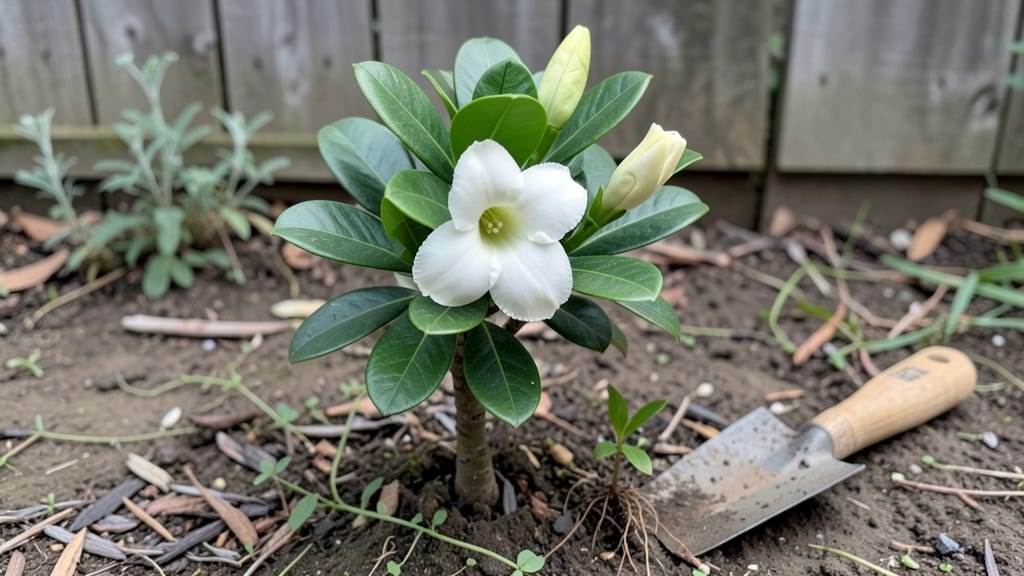
Planting a gardenia tree requires warm soil, well-draining acidic conditions, and partial shade to full sun. Choose a frost-free season, dig a hole twice as wide as the root ball, and water deeply after transplanting to encourage strong root establishment and vibrant blooms.
Gardenias are finicky but rewarding—they reward patience with fragrant blooms when given the right conditions. 🌸 The key is mimicking their native tropical habitat: acidic soil (aim for a pH between 5.0-6.5) prevents nutrient deficiencies, while consistent moisture and shelter from harsh afternoon sun protect delicate leaves.
I've found that planting in spring or early summer gives roots time to establish before winter dormancy, and using a balanced 6-6-6 fertilizer at planting helps kickstart growth without overwhelming the plant.
One common mistake is overwatering—gardenias hate soggy roots. Instead, let the top inch of soil dry between waterings, and always use rainwater or distilled water if possible, as tap water's chlorine can stress the plant.
Mulching with pine bark helps maintain soil acidity while suppressing weeds, which is a game-changer for long-term care.
💡 In This Article
- Optimal Conditions for Gardenia Tree Growth
- Step-by-Step Gardenia Tree Planting Guide
Optimal conditions for gardenia tree growth
Gardenias thrive in acidic soil because their native tropical habitats have naturally low pH levels that enhance nutrient availability. The ideal range of 5.0-6.5 allows the roots to efficiently absorb iron, manganese, and phosphorus—key nutrients for vibrant foliage and abundant blooms.
When soil pH rises above 7.0, these nutrients become locked out, causing yellowing leaves (chlorosis) even when the plant appears healthy. Think of it like a tropical rainforest: the slightly acidic environment keeps everything lush and growing.
Temperature is equally critical, as gardenias enter dormancy below 50°F, which can permanently damage buds and leaves. The sweet spot of 70-85°F mirrors their natural climate, where metabolic processes like photosynthesis and respiration operate at peak efficiency.
Cold snaps trigger stress hormones that divert energy away from blooming toward survival, which is why gardenias often skip flowering after unexpected frosts. Even a single night below 40°F can blacken leaves, so protecting them during transitional seasons is essential.
Sunlight exposure directly impacts bloom production through a process called photoperiodism. Gardenias need 4-6 hours of morning sun to stimulate flowering hormones, but afternoon sun (especially in hot climates) can scorch delicate leaves. The balance creates what botanists call "light saturation"—enough energy for growth without overheating.
In my experience, gardenias in full sun may produce more blooms, but they require consistent moisture to compensate for increased transpiration (water loss).
Here’s what happens when conditions stray from ideal: Too much sun causes leaf burn, while too little reduces photosynthesis, both of which weaken the plant. The root system also suffers—gardenias develop shallow, fibrous roots that need consistent moisture but dread waterlogged soil.
This is why well-draining, acidic soil is non-negotiable: it mimics their native swampy forest floors where roots stay moist but never soggy. 🌿
Seasonal timing matters too. Planting in spring or early summer gives roots 6-8 weeks to establish before cooler weather. This head start is crucial because gardenias are slow to recover from transplant shock.
Even a well-planned move can stress the plant if roots aren’t given time to regenerate before winter dormancy sets in. The key is patience—rushing the process often leads to stunted growth or failed blooming the following year.
For those in colder climates, container gardening is a lifesaver. Gardenias grown in pots can be moved indoors during winter, where they’ll continue receiving bright, indirect light (like a south-facing window) to maintain their growth cycle.
This controlled environment prevents the shock of sudden temperature drops while still allowing them to enter a mild dormancy. It’s a delicate balance, but one that pays off with fragrant blooms year after year.