
Trees
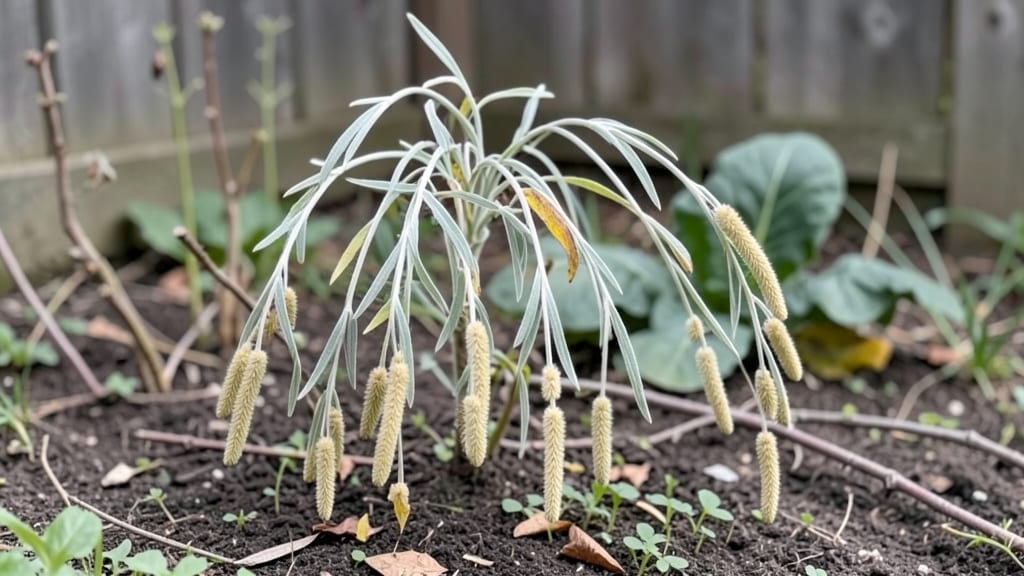
Transform your yard into a springtime wonderland with a weeping pussy willow plant—its cascading branches draped in fluffy catkins are the first sign that winter’s grip is loosening. 🌿 I’ve watched mine wake up from dormancy each year, its silvery-green leaves unfurling just as the robins return, and there’s nothing quite like that moment when the first soft yellow catkins appear, signaling the season’s renewal.
The secret to growing one that thrives lies in mimicking its natural habitat: moist, well-draining soil and at least six hours of sunlight daily.
Plant it near a pond, stream, or in a spot where water collects after rain—these willows love their feet wet, but they’ll also tolerate occasional dry spells once established. Mulch around the base to keep roots cool and retain moisture, especially in hotter climates.
By late spring, your plant will be a living waterfall of texture, with catkins that turn golden-brown and persist even after blooming. The best part? It’s low-maintenance once settled—just prune back any dead or overgrown branches in early spring to encourage fresh growth.
Even in urban settings, this tree adds drama and a touch of whimsy that no other plant can match.
Whether you’re planting one as a standalone specimen or pairing it with early-blooming bulbs for extra impact, its presence will turn heads and fill your garden with that unmistakable scent of spring. Here’s how to get started without the guesswork.
📚 In This Guide
- What you need
- Instructions
- Tips and common mistakes
- Wrapping up and next steps
What you need
- ● Weeping pussy willow plant: 1 live plant (bare-root or potted, available at nurseries or online)
- ● OR seeds (if starting from scratch—requires patience!)
- ● Planting site: Full sun to partial shade (6+ hours of sunlight daily)
- ● Well-draining soil (sandy loam or clay loam works best)
- ● Space to spread: 10–15 feet wide and 10–20 feet tall at maturity
- ● Watering tools: Garden hose with adjustable nozzle (for deep watering)
- ● Watering can (for young seedlings)
- ● Digging tools: Shovel or spade (for planting)
- ● Garden trowel (for precision with small roots)
- ● Mulch: 2–3 inches of organic mulch (wood chips, straw, or shredded bark)
- ○ Fertilizer (optional): Balanced, slow-release fertilizer (10-10-10 ratio)
- ● OR compost for natural nutrients
- ● Pruners: Sharp bypass pruners (for shaping and maintenance)
- ● 🌡️ Best planting time: Early spring (before buds swell) or fall (6 weeks before first frost).
- ● ✨ Soil prep: Amend heavy clay soil with compost to improve drainage.
- ● 🎯 Patience pays off: Weeping willows grow fast—expect fluffy catkins in 3–5 years!
Step-by-Step guide to growing a weeping pussy willow plant
Here's how to cultivate these graceful trees with soft, cascading branches and iconic spring blooms.
🌱 Step 1: Select the Right Location and Prepare the Soil
Weeping pussy willows thrive in full sun to partial shade, with at least 6 hours of sunlight daily for best catkin production. I always choose a spot near water features or ponds—they love moist soil and their drooping branches create stunning reflections. The ideal soil should be rich, loamy, and well-draining, with a slightly acidic to neutral pH (6.0-7.0).
Before planting, amend heavy clay soil with 2-3 inches of compost to improve drainage. For sandy soil, mix in 1-2 inches of peat moss to retain moisture. Avoid planting in areas with waterlogged soil—root rot will quickly kill your tree. Test your soil's moisture by squeezing a handful; it should hold together but not feel soggy.
🪴 Step 2: Plant Your Weeping Pussy Willow at the Right Time
Spring is the best time to plant, either in early spring (March-April) when soil begins to warm or in fall (October-November) before the first frost. I prefer spring planting because the tree establishes roots before summer heat arrives. Dig a hole twice as wide as the root ball but only as deep—planting too deep suffocates the roots.
Gently remove the tree from its container and loosen any circling roots with your fingers. Place it in the hole so the top of the root ball sits 1-2 inches above ground level. This prevents soil from settling and burying the trunk. Backfill with native soil, pressing lightly to remove air pockets but not compacting the mix.
💧 Step 3: Water Deeply and Mulch for Moisture Retention
Water immediately after planting to settle the soil around the roots. Give the tree 1-2 gallons of water (depending on pot size) and let it soak in completely. Weeping pussy willows need consistent moisture, especially during their first growing season. Water 2-3 times per week until new growth appears—about 2-3 inches tall. After establishment, water once a week during dry spells, aiming for 1-1.5 inches of water per week.
Apply a 2-3 inch layer of mulch around the base, keeping it 6 inches away from the trunk to prevent rot. I use wood chips or shredded bark because they break down slowly and improve soil structure over time. Mulch helps retain moisture and regulates soil temperature, which is crucial for young trees still developing roots.
☀️ Step 4: Prune and Fertilize for Healthy Growth
Prune in late winter or early spring before new growth begins. Remove any dead, diseased, or crossing branches with clean, sharp pruners. I also trim back any overly long branches to encourage a fuller, more compact shape. Weeping pussy willows naturally grow in a graceful weeping form, so minimal pruning is needed—just enough to maintain their elegant silhouette.
Fertilize in early spring with a balanced, slow-release fertilizer (10-10-10). Apply ½ cup per year of tree age (e.g., ½ cup for a 1-year-old tree, 1 cup for a 2-year-old). Avoid high-nitrogen fertilizers—they promote leafy growth at the expense of those iconic catkins. Water the tree after fertilizing to help nutrients absorb into the soil.
⏰ Step 5: Enjoy and Maintain Through the Seasons
Weeping pussy willows are low-maintenance once established. In spring, you'll see those signature fluffy catkins emerge—this is your signal that the tree is thriving. The catkins typically appear in late winter to early spring, just as other trees begin to bloom. To prolong their beauty, trim spent catkins after they turn brown but before new growth starts.
In fall, reduce watering as temperatures drop. A light layer of mulch helps protect roots from freezing temperatures. Mature trees handle winter well, but young specimens may need wrapping with burlap in harsh climates. With proper care, your weeping pussy willow will live for decades, becoming a cherished focal point in your landscape.
Tips & tricks for perfect weeping pussy willow plant care
These simple yet game-changing tips will help you cultivate the most stunning weeping pussy willow with those iconic fluffy catkins.
Location Matters: In Step 1, when selecting your spot, prioritize areas with at least 6 hours of direct sunlight—this is non-negotiable for those show-stopping catkins. I've noticed the most dramatic growth and flower production when planting near water features like ponds or streams. The combination of moisture and sunlight creates the perfect conditions for their graceful weeping form to truly shine.
Soil Preparation Secret: Don't skip the soil amendment step! For heavy clay soil, mixing in 2-3 inches of compost before planting makes all the difference—it improves drainage while retaining moisture. I've seen pussy willows struggle in unamended clay, so take the extra 10 minutes to prepare the soil properly. The goal is that perfect balance between well-draining and moisture-retentive.
Planting Depth Tip: When planting in Step 2, remember the root ball should sit 1-2 inches above ground level. This might seem counterintuitive, but it prevents soil from settling and burying the trunk over time. I've learned this the hard way—burying too deep suffocates the roots and can lead to poor growth or even tree death.
Watering Wisdom: In Step 3, those first few weeks are critical. Watering 2-3 times per week until you see new growth is essential, but don't drown the tree. The key is consistent moisture—not soggy soil. I've found using a rain gauge helps track the 1-1.5 inches of water per week recommendation, especially during dry spells after establishment.
Pro Tips for Weeping Pussy Willow Plant
- These simple yet game-changing tips will help you cultivate the most stunning weeping pussy willow with those iconic fluffy catkins.
- Location Matters: In Step 1, when selecting your spot, prioritize areas with at least 6 hours of direct sunlight—this is non-negotiable for those show-stopping catkins.
- Soil Preparation Secret: Don't skip the soil amendment step!
Frequently asked questions
Got questions about your weeping pussy willow? You’re not alone!
Here are answers to the most common queries—from care tips to troubleshooting—so you can keep your tree thriving and fluffy.
When do weeping pussy willows bloom?
These willows typically bloom in early to mid-spring, often between February and April, depending on your climate. Look for fuzzy, golden-yellow catkins that appear before (or with) the leaves. Pro tip: If your tree isn’t blooming, check if it’s been planted in full sun—partial shade can delay or reduce flowering.
Why is my pussy willow drooping or wilting?
Drooping can mean overwatering, underwatering, or root stress. Check the soil—it should stay moist but not soggy. If the ground feels dry 2 inches deep, water deeply. If the roots are waterlogged, improve drainage by adding compost or sand. Warning: Yellowing leaves may signal overwatering or nutrient deficiency.
Can I grow a weeping pussy willow in a container?
Yes! They thrive in large containers (at least 18” wide) with well-draining soil. Use a mix of potting soil and perlite, and ensure the pot has drainage holes. Key tip: Move containers indoors or to a sheltered spot if temperatures drop below 10°F (-12°C). Repot every 2–3 years to refresh the soil.
What’s the best way to propagate a weeping pussy willow?
The easiest method is hardwood cuttings in late fall or early winter. Cut 6–12” stems, strip the lower leaves, and dip in rooting hormone. Plant in moist sand or perlite, keeping it humid (use a plastic bag!) until roots form in 4–8 weeks. Alternative: Layering works too—bend a low branch to the ground, cover with soil, and wait for roots to develop.
Are weeping pussy willows good for pollinators?
Absolutely!
Their early spring catkins are a critical food source for bees, butterflies, and hummingbirds. Planting one near your garden supports pollinators before other flowers bloom. Bonus: The fuzzy catkins also attract birds like goldfinches.
How cold can a weeping pussy willow tolerate?
Most varieties handle USDA Zones 3–8, meaning they’re tough down to -30°F (-34°C). Young trees may need winter protection (mulch or burlap wraps) in extreme cold. Sign of stress: Brown, crispy catkins in winter? It’s likely winter burn—water deeply before the first freeze to help.
Wrapping up and next steps
The weeping pussy willow isn’t just a symbol of spring—it’s a living masterpiece that brings joy, texture, and wildlife to your garden. 🌸 Whether you’re growing it for its fluffy catkins, its air-purifying benefits, or its low-maintenance charm, this plant is a winner.
Ready to dive in? Start by gathering your supplies, then plant with confidence—your future willow’s soft, cascading branches will thank you!
Pro tip: Share your progress with fellow gardening enthusiasts for extra motivation! 🌱