
Landscaping
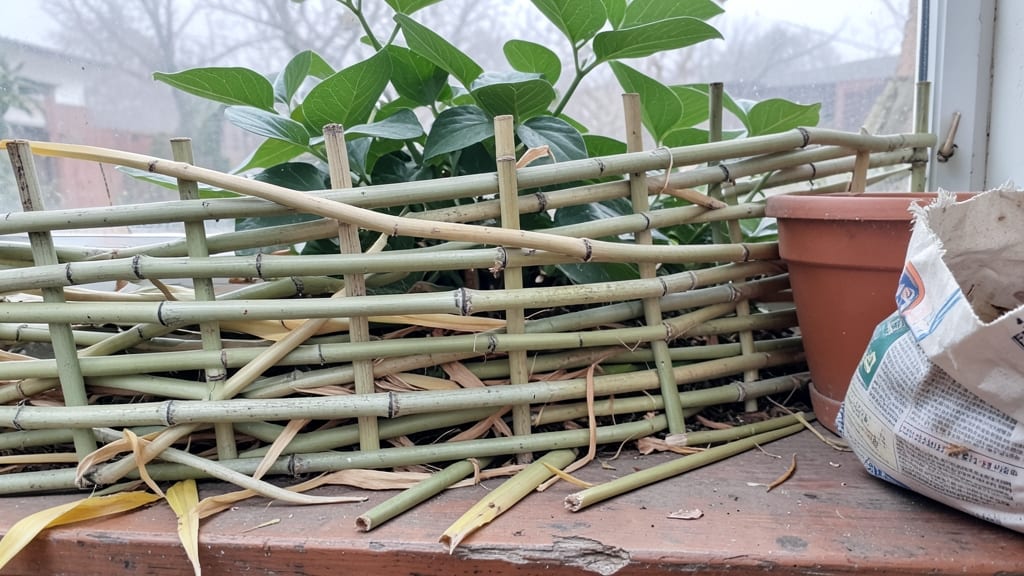
A bamboo plant fence creates year-round privacy that outgrows any wooden or vinyl barrier. 🌿 I planted mine last spring, and by summer it formed a solid, rustling wall—no gaps, no maintenance headaches.
The key is choosing the right variety: running bamboo spreads aggressively (if unchecked), while clumping types stay contained and elegant.
You’ll need 10-15 plants per 10-foot section, spaced 3-4 feet apart for full coverage. Dig trenches 1-2 feet deep to contain roots, especially for running types—this prevents them from taking over your yard.
Most bamboo thrives in partial shade but handles full sun too, making it versatile for any garden spot.
By year two, your fence will reach 10-15 feet tall, dense enough to block noise and prying eyes. The leaves stay lush all winter, unlike deciduous plants that leave you exposed. Plus, it’s sustainable, low-cost, and adds a tropical vibe to any landscape—no paint or staining required.
Works for both new builds and retrofits—just plan for height and root control. Once established, it’s nearly maintenance-free. Ready to grow your own living fence? Here’s how to start right.
📚 In This Guide
- What you need
- Instructions
- Tips and common mistakes
- Wrapping up and next steps
What you need
- ● Bamboo plants: 10–15 live stakes per 6-foot section (depending on desired density). Choose clumping bamboo (e.g., Bambusa multiplex) for low-spreading roots.
- ● Garden twine or jute rope: 50–100 ft (for temporary support).
- ● Stakes or bamboo poles: 12–18 wooden or metal stakes (6–8 ft tall) to anchor the fence.
- ● Landscape fabric: 1 roll (3 ft wide, 50 ft long) to suppress weeds.
- ● Mulch: 2–3 bags of wood chips or straw (to retain moisture).
- ● Wire mesh or fencing: Pre-installed along the trench to contain roots (critical for running bamboo).
- ● Post-hole digger or auger: For digging deeper holes (12–18 inches) if soil is rocky.
- ● Pruning shears: For trimming overgrowth as the fence matures.
- ● Decorative edging: Stones or bricks to line the base for a polished look.
- ● Watering system: Drip irrigation or soaker hoses (bamboo loves consistent moisture!).
Step-by-Step guide to planting a bamboo privacy screen
Here’s how to create a thick, green barrier that thrives year-round with minimal effort.
🌱 Step 1: Select and Prepare the Planting Site
Choose a location with partial shade to full sun—bamboo grows best in 6+ hours of sunlight daily but tolerates dappled shade in hot climates. Test the soil by squeezing a handful: if it crumbles easily, it’s ready. If it stays clumped, amend with 2-3 inches of compost mixed into the top 12 inches of soil.
Mark a 6-foot-wide trench for each row of plants, spaced 4-6 feet apart for full density. Bamboo spreads aggressively, so dig a 2-3 foot deep barrier trench (lined with hard plastic or corrugated metal) if containment is a concern. This prevents underground runners from escaping beyond your desired area.
🪴 Step 2: Plant Bamboo Clumps at the Right Spacing
Dig holes twice as wide as the bamboo’s root ball and 1 inch deeper than the container. Space clumps 3-5 feet apart in rows—closer spacing fills in faster but requires more pruning later. Place each plant so the top of the root ball sits level with the surrounding soil (never buried deeper).
Backfill with native soil, pressing gently to eliminate air pockets. Water deeply until moisture reaches 6 inches down, then top-dress with 1 inch of mulch (wood chips or straw) to retain moisture and suppress weeds. Avoid heavy mulch piles against stems—keep it 2-3 inches away to prevent rot.
☀️ Step 3: Water and Fertilize for Rapid Growth
Keep the soil consistently moist for the first 4-6 weeks, watering every 2-3 days until new shoots emerge. After establishment, bamboo tolerates drought but grows faster with 1 inch of water weekly. Apply a balanced 10-10-10 fertilizer at planting, then again in early spring to encourage dense foliage.
Watch for yellowing leaves—this signals overwatering or poor drainage. If stems lean toward light, rotate plants quarter-turn weekly until they grow upright. Prune 1/3 of the oldest canes annually in late winter to stimulate fresh growth and maintain thickness.
✂️ Step 4: Maintain Density and Containment
Trim sparse or leggy canes in early summer to redirect energy into bushier growth. Use clean, sharp pruners to cut just above a node (the bump where leaves attach). Remove any canes that grow outside your barrier trench immediately—they’ll spread 2-3 feet per year if left unchecked.
Apply a 2-inch layer of mulch annually in spring to smother weeds and retain moisture. In Zone 5 or colder, wrap young plants in burlap during winter to protect tender shoots. Mature bamboo survives frost but may lose leaves—new growth returns vigorously in spring.
⏰ Step 5: Monitor and Adjust for Long-Term Privacy
Check the barrier trench annually for gaps where runners might escape. Reinforce with additional plastic sheeting if you notice new shoots beyond your desired area. By year 3, your screen should reach 10-12 feet tall with minimal gaps—ideal for blocking noise and prying eyes.
If growth slows after 2-3 years, fertilize lightly in spring with slow-release granules. Avoid heavy nitrogen—it promotes leafy growth over dense canes. With proper care, your bamboo fence will outlast traditional fencing while requiring far less maintenance.
Tips & tricks for perfect bamboo privacy screen
Here's what I learned after planting my own bamboo fence—these tricks make all the difference between a lush privacy screen and a patchy disappointment.
Soil Prep is Everything: Don't skip the soil test in Step 1! If your soil stays clumped when squeezed, you absolutely need that 2-3 inches of compost mixed into the top 12 inches. I learned this the hard way—my first attempt grew slowly because the soil was too compacted. For clay-heavy areas, mix in sand or perlite to improve drainage.
Barrier Trench Secrets: When digging that 2-3 foot deep barrier trench in Step 1, don't skimp on the lining material. Hard plastic or corrugated metal works best, but if you're on a budget, use dense cardboard soaked in water as a temporary barrier. The key is to make it at least 2 feet deep—shallow trenches won't contain those aggressive runners!
Planting Depth Matters: In Step 2, that 1 inch deeper than the container isn't just a suggestion—it's crucial. The root ball should sit level with the soil, but the extra depth helps prevent the plant from sinking over time. I've seen bamboo plants struggle when planted too shallow, especially in windy areas. Press the soil firmly around the roots to eliminate air pockets that can cause rot.
Watering Wisdom: Those first 4-6 weeks of consistent moisture in Step 3 are critical. I set up a simple drip irrigation system on a timer to make sure my bamboo got watered every 2-3 days without fail. After establishment, let the soil dry slightly between waterings—bamboo is surprisingly drought-tolerant once established, but it grows faster with that 1 inch of water weekly.
Pro Tips for Bamboo Plant Fence
- Here's what I learned after planting my own bamboo fence—these tricks make all the difference between a lush privacy screen and a patchy disappointment.
- Soil Prep is Everything: Don't skip the soil test in Step 1!
- Barrier Trench Secrets: When digging that 2-3 foot deep barrier trench in Step 1, don't skimp on the lining material.
Frequently asked questions
Got questions about creating a stunning bamboo plant fence? You’re not alone! Here are answers to the most common concerns—from maintenance to placement—to help you build your dream privacy screen with confidence.
How fast does a bamboo fence grow?
A bamboo plant fence grows fast—up to 3 feet per year under ideal conditions! Running bamboo varieties (like Phyllostachys) can spread aggressively, while clumping types (e.g., Bambusa vulgaris) grow slower and stay contained. Expect full coverage in 2–3 years, but prune regularly to control height and shape.
Is bamboo hard to maintain?
Not at all! Bamboo is low-maintenance once established. Trim back overgrowth in spring or fall to keep it tidy, and fertilize lightly once a year. Watch for pests like spider mites—spray with water or neem oil if needed. Pro tip: Mulch around the base to retain moisture and suppress weeds!
Can I plant bamboo near my house or fence?
Yes, but choose clumping bamboo to avoid invasive roots. Running bamboo (like Phyllostachys) can spread aggressively—keep it at least 5–10 feet from structures. For close planting, opt for dwarf varieties (e.g., Bambusa multiplex) and install a root barrier to contain growth.
What’s the cost compared to other privacy fences?
A bamboo plant fence is budget-friendly! Costs range from $1–$5 per stalk (DIY) to $10–$30 per linear foot for pre-planted screens. Compared to wood ($15–$50/ft) or vinyl ($20–$60/ft), bamboo wins for affordability + natural beauty. Factor in soil prep, mulch, and occasional pruning tools.
Will bamboo survive winter?
Most bamboo is hardy in USDA zones 5–11, but cold-sensitive varieties (like tropical types) may need winter protection. Mulch heavily around the base and wrap young plants in burlap if temps drop below 10°F. Evergreen bamboo (e.g., Fargesia) keeps its leaves year-round, while deciduous types lose foliage but regrow in spring.
Are there alternatives if bamboo isn’t right for me?
Try these privacy screen alternatives:
- Hedges: Boxwood, Arborvitae, or Holly (slower growth, structured look).
- Vines: Wisteria, Jasmine, or Clematis (fast-growing but need trellises).
- Native Plants: Elderberry or Serviceberry (eco-friendly, low-maintenance).
- Composite Fences: Wood + metal or bamboo + wire (hybrid durability).
Each has trade-offs—bamboo stands out for speed, density, and tropical vibes!
Wrapping up and next steps
A bamboo plant fence is more than just a trendy landscaping choice—it’s a sustainable, low-maintenance solution for year-round privacy and beauty. With its fast growth, natural density, and eco-friendly appeal, it transforms any outdoor space into a serene retreat.
Whether you’re a DIY enthusiast or a homeowner seeking a hassle-free upgrade, this lush green barrier is a game-changer.
Ready to take the next step? Start small—research local bamboo varieties, sketch a design, or consult a landscaper to bring your vision to life! 🌿✨