
Lawn
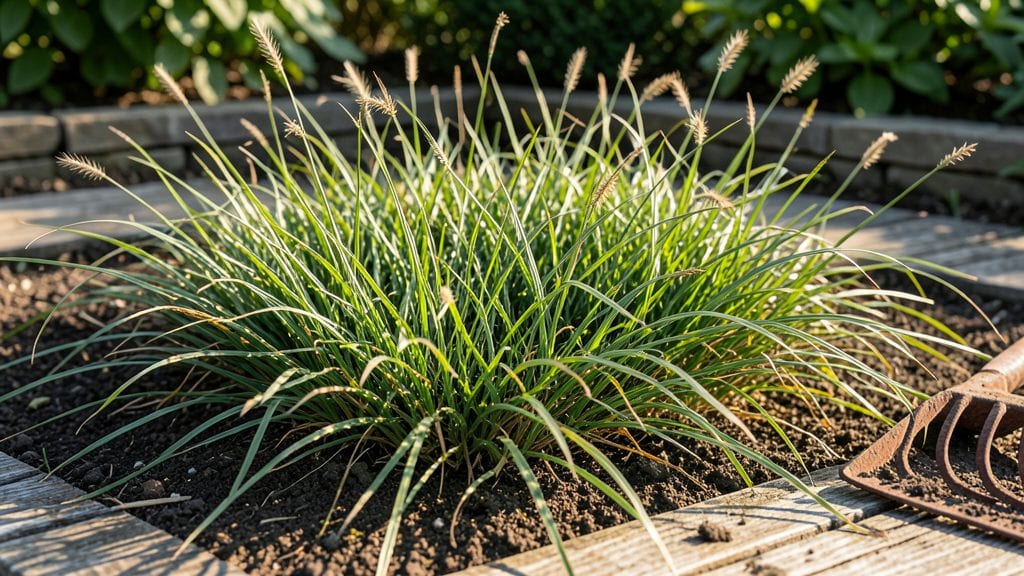
That brown grass plant staring back at me from the yard was a shock—one night it was lush, the next a patchwork of despair, and I knew something was wrong. 🌱 The culprit could be anything—drought, disease, pests, or even soil that’s more dirt than nutrients.
I’ve since learned how to diagnose and fix each problem, and I’m sharing the exact steps that brought my lawn back to life.
First, you’ve got to figure out what’s actually wrong. Is it dry and crispy from lack of water, or does it feel spongy underfoot? Yellow patches might mean overwatering, while brown spots could signal fungus or grubs munching away.
A simple soil test or close inspection of the roots often reveals the truth. Once you know the cause, the fix becomes straightforward.
Reviving brown grass isn’t rocket science—it’s about matching the treatment to the problem. Overwatered lawns need better drainage, while drought-stricken grass just needs deep, infrequent watering. Fungal issues respond to fungicides or adjusting mowing height, and pests?
A targeted grub killer or nematodes usually does the trick. Within weeks, you’ll see new green growth pushing through.
Prevention is where real success happens. Aerate once a year, fertilize seasonally, and mow at the right height to keep grass resilient. I’ve kept my lawn lush ever since, and the secret isn’t complicated—just consistent care. Let’s get your grass back to its best.
Root Causes Of Dry Grass
Understanding why your grass turns brown is the first step to bringing it back to life. Brown patches or entire lawns aren’t just a cosmetic issue—they’re a sign your grass is struggling to survive. Let’s break down the most common culprits and why they happen.
When temperatures soar and rainfall dwindles, grass plants go into survival mode. Grass blades are primarily made of water (up to 85% in some species!), and when they lose too much through evaporation, they wilt and turn brown.
This is especially true for cool-season grasses (like Kentucky bluegrass or fescue), which thrive in milder temperatures and struggle when summer heat persists.
Why it happens:
- Increased transpiration: Hot, dry winds accelerate water loss through grass blades.
- Shallow root systems: If roots haven’t penetrated deeply (due to compacted soil or poor watering habits), they can’t access moisture from lower soil layers.
- Photosynthesis slowdown: High temperatures can damage chlorophyll, reducing the grass’s ability to produce energy.
Actionable insight: 💡 If your lawn is brown but still slightly springy underfoot, it’s likely dormant—not dead. Water deeply (1–1.5 inches per week) to encourage root growth and revive it once cooler weather arrives.
Too much water might seem counterintuitive, but it’s a sneaky culprit behind brown grass. Soggy soil cuts off oxygen to roots, leading to fungal diseases like brown patch or dollar spot, which kill grass blades.
Poor drainage (common in clay-heavy soils) traps excess moisture, creating the perfect storm for root rot and stress.
Why it happens:
- Oxygen deprivation: Roots suffocate in waterlogged soil, starving them of the oxygen needed for respiration.
- Fungal infections: Excess moisture creates a humid microclimate, inviting pathogens that thrive in damp conditions.
- Salt buildup: Overwatering (especially with tap water) can leave behind salts that burn grass roots over time.
Actionable insight: 🔥 Test your soil’s drainage by digging a 6-inch hole and filling it with water. If it drains in under 6 hours, your soil is fine. If not, amend with compost or sand to improve aeration.
Just like humans, grass can get sunburned! Intense UV rays (especially in high-altitude or reflective surfaces like concrete) can scorch grass leaves, turning them brown or white. This is most common in warm-season grasses (like Bermuda or Zoysia) when they’re transitioning between seasons.
Why it happens:
- Chlorophyll breakdown: Prolonged sun exposure destroys chlorophyll, causing blades to bleach or crisp.
- Thin or stressed grass: Newly seeded lawns or grass recovering from drought are more vulnerable.
- Albedo effect: Light-colored surfaces (like driveways) reflect UV rays, amplifying damage.
Actionable insight: ✨ Mow higher (3–4 inches) during heatwaves to provide shade to the soil and reduce sun stress. Early morning watering (before 10 AM) helps cool blades naturally.
Brown grass isn’t always about water—it can also signal starvation. Grass needs a balanced diet of nitrogen, phosphorus, and potassium (NPK) to stay green and resilient. If your soil lacks these nutrients or has pH imbalances, your lawn will weaken and brown out.
Why it happens:
- Nitrogen deficiency: Leads to pale, yellowish-brown grass (a classic sign of "hunger").
- Iron or magnesium shortages: Cause yellowing between veins (chlorosis), which progresses to brown patches.
- Compacted or acidic soil: Locks out nutrients, preventing roots from absorbing what they need.
Actionable insight: 📊 Conduct a soil test (kits are cheap and available at garden centers) to check pH and nutrient levels. Amend with compost or a slow-release fertilizer (like 16-4-8) to restore balance.
Hidden invaders like grubs, chinch bugs, or fungal pathogens can silently feast on your grass roots, leaving brown patches that spread like wildfire. These issues often go unnoticed until significant damage occurs.
Why it happens:
- Grubs (larvae of beetles): Chew through roots, causing grass to pull up easily like a rug.
- Chinch bugs: Pierce stems to suck out sap, leading to rapid browning in dry spells.
- Fungal diseases (e.g., brown ring spot): Thrive in warm, humid conditions, creating circular brown patches.
Actionable insight: 🔪 Dig up a small patch of brown grass—if you see white grubs or tiny black bugs, treat with beneficial nematodes or insecticidal soap. For fungal issues, reduce watering and apply a fungicide if needed.
Reviving Brown Grass Plant
Turn back time and restore your lawn’s vibrant green glow with these targeted fixes—whether your grass is struggling from drought, pests, or poor soil. Below, we’ve mapped common causes to step-by-step solutions, plus pro tips to keep your lawn thriving long-term.
Signs: Crunchy blades, dry patches, or grass pulling up easily.
How to Revive: 🔥 Step 1: Deep Watering Water your lawn 1–1.5 inches per week (including rainfall). Use a rain gauge or tuna can to measure—soak the soil 6 inches deep. Early morning (4–8 AM) is best to reduce evaporation.
🍳 Step 2: Check Your Irrigation
- Sprinkler issues? Adjust heads to avoid runoff or uneven coverage.
- Broken sprinklers? Replace or repair them ASAP.
- Drip irrigation? Ensure emitters are unclogged and evenly spaced.
👨🍳 Step 3: Mulch & Retain Moisture Spread 2–3 inches of mulch (straw or wood chips) around plants to lock in moisture. For lawns, use a thatch-breaking rake to improve water penetration.
🥘 Step 4: Overseed Bare Spots If drought killed patches, overseed with drought-resistant grass (like tall fescue or Bermuda) and keep the soil moist until germination (7–14 days).
Prevention Tips: ✨ Install a smart irrigation controller to automate watering based on weather. 🌡️ Water deeply but less frequently—shallow watering encourages weak roots. 🎯 Aerate annually to help roots access moisture.
Signs: Brown patches, chewed blades, fungal spots, or wilting grass.
How to Revive: 🔥 Step 1: Identify the Culprit
- Grubs? Dig up a small patch—white, C-shaped larvae mean grubs.
- Fungus? Look for circular brown rings or powdery mildew.
- Chinch bugs? Check for tiny black bugs on blades (common in dry spells).
🍳 Step 2: Treat the Problem
| Pest/Disease | Solution |
|---|---|
| Grubs | Apply beneficial nematodes or grub control (like imidacloprid). |
| Fungus | Sprinkle copper fungicide or baking soda mix (1 tbsp per gallon). |
| Chinch Bugs | Use neem oil spray or pyrethrin-based insecticide. |
| Rods/Weevils | Treat with systemic insecticide (follow label rates). |
👨🍳 Step 3: Boost Recovery After treatment, fertilize with a high-nitrogen lawn food (like 24-0-4) to help grass bounce back. Water lightly after applying.
🥘 Step 4: Prevent Future Outbreaks
- Mow high (3–4 inches) to deter pests.
- Dethatch if fungus is recurrent (remove thatch layer).
- Rotate treatments to avoid resistance.
Prevention Tips: 💡 Encourage natural predators—birds, toads, and ladybugs eat pests! 🔥 Avoid overwatering—fungus thrives in soggy conditions. 🎯 Test soil pH (ideal: 6.0–7.0)—extreme pH invites pests.
Signs: Yellow-brown grass, slow growth, or soil that’s hard or compacted.
How to Revive: 🔥 Step 1: Test Your Soil Use a DIY soil test kit (or send a sample to a local extension office) to check:
- pH level (aim for 6.0–7.0).
- Nutrient levels (nitrogen, phosphorus, potassium).
🍳 Step 2: Amend the Soil
| Issue | Solution |
|---|---|
| Low Nitrogen | Apply organic compost or slow-release fertilizer (like 20-5-10). |
| Compacted Soil | Aerate with a core aerator (rent or hire a pro). |
| High Clay/Sand | Mix in peat moss or compost to improve texture. |
| Acidic Soil (pH <6.0) | Sprinkle lime (follow package rates). |
👨🍳 Step 3: Fertilize Smartly
- Spring: Use a balanced fertilizer (10-10-10) to kickstart growth.
- Fall: Switch to high-potassium (like 5-10-15) to strengthen roots.
- Organic option? Try alfalfa meal or fish emulsion for a natural boost.
🥘 Step 4: Improve Drainage If water pools after rain:
- Slope the yard slightly (1–2% grade) away from foundations.
- Add sand to heavy clay soil (top-dress with ¼-inch layer).
Prevention Tips: ✨ Top-dress annually with compost to replenish nutrients. 🌡️ Mulch heavily to retain organic matter in the soil. 🎯 Avoid synthetic fertilizers if possible—they can harm soil microbes.
Signs: Uniform browning, worn-out paths, or grass struggling in shaded areas.
How to Revive: 🔥 Step 1: Adjust Care Based on Stress
| Stress Type | Solution |
|---|---|
| Heat/Drought | Water deeply 2x/week and mow higher (4 inches). |
| Foot Traffic | Reseed high-traffic areas with creeping red fescue (tough grass). |
| Too Much Shade | Plant shade-tolerant grass (like fine fescue) or add ground cover. |
🍳 Step 2: Protect & Recover
- Heat stress? Apply a light layer of straw mulch to insulate roots.
- Foot damage? Overseed bare spots and avoid walking on wet grass.
- Shady patches? Thin trees to let more light in or add artificial turf if needed.
👨🍳 Step 3: Long-Term Solutions
- Install a shade cloth (30–50% coverage) for new grass seedlings.
- Use a soil conditioner (like humic acid) to improve root resilience.
- Adjust mowing height—taller grass shades out weeds and retains moisture.
Prevention Tips: 💡 Plant native grass types—they’re adapted to your climate’s stress factors. 🔥 Avoid heavy foot traffic in early morning/evening when grass is dew-covered. 🎯 Prune trees strategically to balance sunlight without over-exposing lawn.
Final Pro Tip: 🌿 Patience is key! Brown grass can take 2–4 weeks to green up after treatment. Stick with your plan, and your lawn will thank you with lush, vibrant growth.
Frequently asked questions about brown grass
Why does my grass turn brown in patches but stay green elsewhere?
Patchy browning usually signals localized stress. Check for grubs (dig up a small area—white C-shaped larvae mean trouble), fungal rings (look for circular brown spots), or chinch bugs (tiny black pests in dry spells). Overwatering or poor drainage in specific spots can also cause this—test soil moisture with your finger.
Can I save my lawn if it's completely brown and crunchy?
Not necessarily dead! Dormant grass turns brown in extreme drought but revives with 1–1.5 inches of deep watering per week once temperatures drop. If blades are crispy and pull up easily, they’re likely dead—overseed those areas with drought-resistant grass like tall fescue.
How do I tell if my brown grass is from overwatering or underwatering?
Overwatered grass feels spongy (roots suffocate) and may have a musty smell, while underwatered grass is crunchy and pulls up easily. Dig a 6-inch hole—if water drains in under 6 hours, your soil drains fine. If not, improve aeration with sand or compost.
Will mowing brown grass make it worse?
Mowing won’t harm dormant grass, but avoid cutting if blades are crispy or diseased—this can spread issues. Wait until you see green shoots (signs of recovery), then mow at 3–4 inches high to shade roots and retain moisture. Never remove more than ⅓ of the blade height at once.
How long does it take for brown grass to turn green again?
Recovery time varies: dormant grass may green up in 2–4 weeks with proper watering, while dead patches need 4–8 weeks to reseed. Fungal/brown spots can take 3–6 weeks to clear after treatment. Consistency is key—stick to your watering and fertilizing schedule!