
Watering
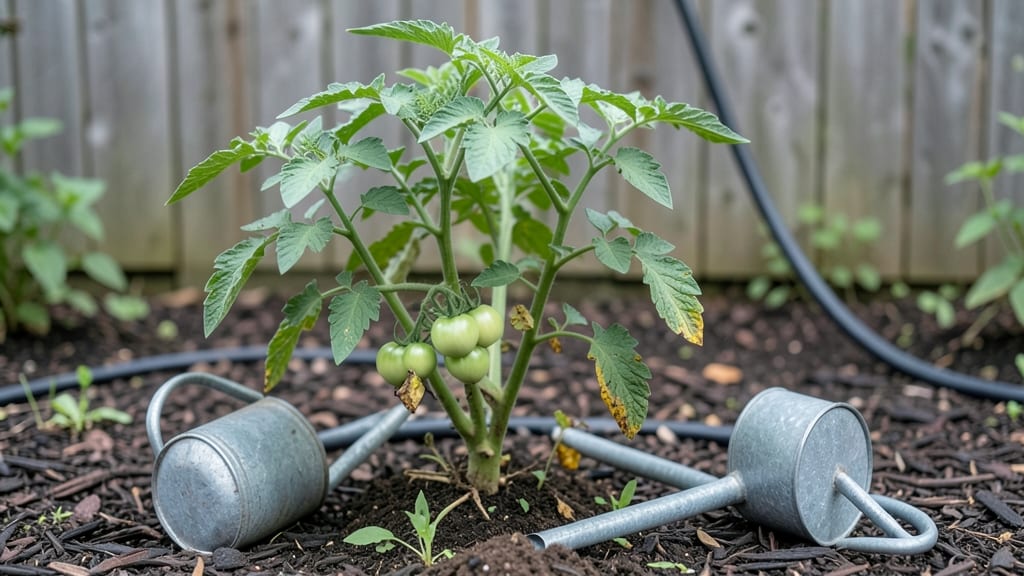
Watering vegetable plants properly is the difference between a bountiful harvest and wasted effort—because even the best soil won’t save you from the wrong schedule.
Did you know that overwatering or underwatering your vegetable plants can reduce yields by up to 50%? The secret to a thriving garden lies in a precise, science-backed watering schedule tailored to each plant’s needs—and this guide reveals exactly how to do it right.
Whether you’re dealing with leafy greens that hate soggy roots or tomatoes that need deep, consistent moisture, the timing, amount, and method all matter. I’ll break down the exact schedule for spring planting, how to adjust for summer heat, and the telltale signs your plants are thirsty—or drowning.
By the end, you’ll know not just when to water, but how—so you can skip the guesswork and grow like a pro.
The optimal watering schedule for vegetable plants by growth stage
Watering your vegetable plants isn't a one-size-fits-all task—it's a dynamic process that changes as your plants grow. Each stage—from delicate seedlings to heavy fruit-bearing plants—demands a different approach to moisture. Understanding these shifts helps you avoid root stress and maximize yield potential by keeping soil conditions perfect for each phase.
Science shows that soil moisture levels directly impact root development. For example, seedlings need frequent but gentle watering to prevent seedling damping-off, while mature fruiting plants thrive with deep, infrequent watering to encourage strong root systems. The key is balancing frequency and depth to match your plants' evolving needs.
Daily light watering keeps young plants hydrated without overwhelming their tiny roots. As they grow, you'll gradually shift to deep-watering techniques like soaker hoses or drip irrigation, which deliver water directly to the root zone while minimizing evaporation. This method is especially crucial during the flowering and fruiting stages, when plants need consistent moisture to support heavy fruit production.
Let's break down the optimal watering schedule for each growth stage, including how to adjust for different vegetable types. This table will serve as your quick-reference guide for maintaining healthy plants from start to harvest.
🌱
During the seedling stage, your plants are most vulnerable to moisture fluctuations. Use a spray bottle or gentle watering can to keep the top 1-2 inches of soil consistently damp.
Overwatering here can lead to fungal diseases, while underwatering stunts growth. I recommend using a moisture meter to check soil conditions—aim for a reading between 40-60% moisture.
As plants enter the vegetative stage, they develop deeper roots and need more water, but less frequently. Shift to deep-watering techniques like soaker hoses or clay pots buried near the base of plants.
This encourages roots to grow downward, making your vegetables more drought-resistant. For leafy greens like spinach or kale, maintain slightly moister soil, while root vegetables like carrots benefit from slightly drier conditions.
The flowering stage is critical for fruit set. Here, watering becomes a balancing act—too much can cause blossom end rot in tomatoes, while too little stresses the plant. Water deeply every 3-4 days, focusing on the root zone rather than the foliage.
Early morning is the best time to water, as it allows foliage to dry quickly, reducing disease risk from fungal spores.
In the fruiting stage, your goal is to maintain steady moisture without overdoing it. Deep watering every 4-7 days keeps fruits firm and flavorful. For tomatoes and peppers, inconsistent watering can lead to cracked fruits or bitter flavors.
Mulching with straw or wood chips helps retain moisture and regulate soil temperature, reducing the need for frequent watering.
Pro tip: Leafy greens like lettuce and spinach prefer consistent moisture, while root crops such as carrots and beets thrive with slightly drier conditions.
Always adjust your watering schedule based on your local climate conditions—hot, dry summers may require daily watering, while cooler springs can stretch intervals to every few days.
💧
How to adjust watering based on plant type and climate conditions
Not all vegetable plants are created equal when it comes to water needs. Leafy greens like lettuce and spinach thrive with consistent moisture but hate soggy soil, while root vegetables such as carrots and potatoes require deep, infrequent watering to prevent splitting.
Understanding these differences is key to maximizing your harvest. I’ve grown both types for years, and the difference in yield when watering correctly is staggering.
Climate plays an equally critical role. In hot, dry regions, most vegetables need watering every 1-2 days, whereas in temperate zones, a 2-3 day schedule often suffices. Tropical areas may see plants needing watering daily during peak heat but less frequently during humid periods.
Adjusting your approach based on temperature, humidity, and rainfall ensures your plants stay healthy without wasting water.
🌱 comparison table
| Plant Type | Watering Frequency | Best Method | Climate Adjustments |
|---|---|---|---|
| Leafy Greens (Lettuce, Spinach, Kale) | Every 1-2 days | Drip irrigation or shallow watering | Increase frequency in heat; reduce in rain |
| Root Vegetables (Carrots, Potatoes, Beets) | Every 2-3 days (deep soak) | Soaker hoses or deep watering | Reduce in wet climates; mulch in dry |
| Fruiting Plants (Tomatoes, Peppers, Cucumbers) | Every 1-2 days (consistent) | Drip irrigation at base | Increase in heat; avoid wetting leaves |
| Herbs (Basil, Cilantro, Parsley) | Every 2-3 days (keep soil moist) | Hand watering or misting | Reduce in humidity; increase in drought |
For leafy greens, shallow watering keeps the topsoil moist without drowning the roots. I’ve seen lettuce bolt within days when stressed by drought or overwatering.
Use a moisture meter or stick your finger 1 inch into the soil—if it’s dry, it’s time to water. Root vegetables, on the other hand, need deep watering to encourage downward growth. A soaker hose placed at the base ensures water penetrates without disturbing the soil.
Fruiting plants like tomatoes and peppers demand consistent moisture to prevent blossom-end rot, but their leaves must stay dry to avoid fungal diseases.
I always water these plants early in the morning so foliage has time to dry before evening. Herbs, particularly basil, wilt quickly in dry conditions but can suffer from root rot if overwatered. A well-draining container with holes at the bottom solves this problem beautifully.
Climate adjustments are where most gardeners trip up. In dry regions, mulching with straw or wood chips retains moisture and reduces evaporation. I’ve cut water use by 30% in my desert garden just by adding a 2-inch layer of mulch.
In humid climates, focus on morning watering to prevent fungal spores from thriving overnight. And in tropical zones, frequent light waterings keep roots cool during scorching afternoons.
Pro tip: Check your local rainfall averages and adjust your schedule accordingly. If your area gets 1 inch of rain per week, you might skip watering entirely—unless your soil is sandy and drains too quickly.
Always prioritize deep, infrequent watering over shallow, daily sprinkles. Your plants—and your water bill—will thank you. 💧