
How To
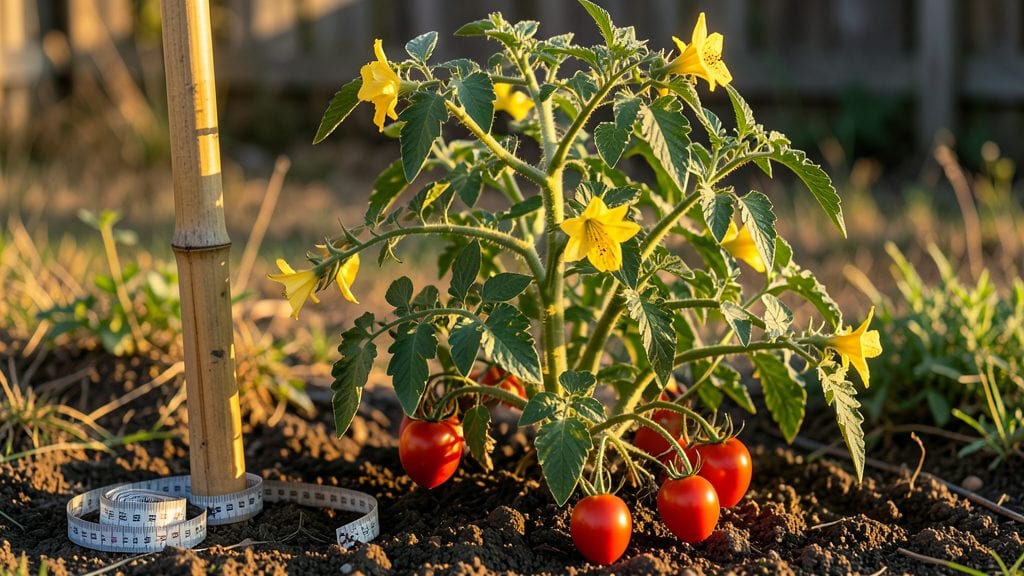
Wondering how tall tomato plants grow—from dwarf varieties under 2 feet to towering giants over 10 feet—changes everything about how you garden with them 🍅.
Picture this: one year, your cherry tomatoes sprawl across the fence like a tangled mess, while last summer’s beefsteak plants stood tall and proud, their vines reaching for the sky.
The secret? Knowing whether you’re growing a compact bush type or a sky-high vine will save you from overcrowding, wasted space, and a harvest that never materializes.
Height isn’t just about aesthetics—it dictates your spacing, support needs, and even how you prune. A 6-foot indeterminate variety needs a sturdy trellis, while a 3-foot determinate bush might thrive in a cage.
Below, I’ll break down the height ranges by type, the factors that push vines toward the ceiling (or keep them grounded), and the simple tricks to keep them growing the way you want.
Ready to stop guessing and start planning? You’ll learn how to match your variety to your garden, when to stake or prune for maximum yield, and the one mistake that turns a 4-foot plant into a 12-foot jungle overnight.

Tomato plant height by variety: dwarf to vining types explained
Choosing the right tomato variety starts with understanding their height potential. Some stay compact at 12 inches tall, while others climb to 10+ feet without support.
The difference lies in their growth habits: determinate (bush) types stop growing after flowering, while indeterminate (vining) types keep stretching until frost. Knowing these distinctions helps you plan spacing, support systems, and even container sizes for your garden.
For example, cherry tomato varieties like 'Sweet 100' often grow 4-6 feet tall and produce continuously, while heirloom beefsteaks like 'Brandywine' can reach 8 feet or more if left unpruned.
The right variety for your space depends on whether you prefer low-maintenance bush types or high-yielding vining varieties. Let’s break down the key differences to help you decide.
🌱
| Variety Type | Height Range | Growth Habit | Fruiting Pattern | Best For |
|---|---|---|---|---|
| Dwarf (Determinate) | 12"–36" | Bushy, compact; stops growing after flowering | Single flush of fruit (all at once) | Containers, small gardens, early harvests |
| Semi-Dwarf (Determinate) | 3'–4' | Bushy but taller; limited vertical growth | Single or limited flushes | Balconies, raised beds, urban gardens |
| Standard (Determinate) | 4'–5' | Bushy with moderate height | One main harvest period | Traditional gardens, cages |
| Indeterminate (Vining) | 6'–10'+ | Continuous vertical growth until frost | Ongoing harvest (all season) | Trellises, large gardens, high yields |
| Cherry (Indeterminate) | 4'–8' | Compact vining; prolific branching | Multiple fruit clusters | Snacking, salads, hanging baskets |
| Heirloom (Indeterminate) | 6'–12' | Tall, sprawling vines | Extended harvest window | Gourmet cooking, large containers |
🌿 Note: Height varies by variety and growing conditions (e.g., pruning, sunlight).
Determinate varieties like 'Roma' or 'Patio' are perfect for small spaces or container gardening because they stay under 3 feet tall and produce fruit in one go. This makes them ideal for early-season harvests or canning projects where you need a large batch at once.
Their compact size also means they require less support, though a sturdy cage can still help prevent sprawling.
On the other hand, indeterminate varieties like 'Sungold' or 'Black Krim' are the workhorses of the garden. They keep growing and producing fruit until frost, which means a steady supply of tomatoes from summer to fall.
However, their height and sprawling habit demand more attention—think trellises, stakes, or pruning to manage their growth and keep fruits accessible. Without support, these varieties can become unruly, taking over garden beds and competing with other plants for space and nutrients.
If you're growing in containers, opt for dwarf or semi-dwarf varieties like 'Tiny Tim' or 'Balcony Red'. These stay under 2 feet tall and thrive in 5-gallon pots with proper care.
For vertical gardening, indeterminate types like 'Sweet Million' shine when trained up a trellis or A-frame cage, saving ground space while maximizing yield. Always check the variety’s mature height on seed packets to avoid surprises.
Another factor to consider is fruit load. Indeterminate varieties produce more fruit over time, but their vines can become top-heavy with heavy tomatoes. This is why pruning suckers (side shoots) and tying vines to supports is crucial.
Determinate types, while lower-yielding per plant, distribute their fruit more evenly, reducing the risk of stem breakage under the weight of ripe tomatoes.
For beginner gardeners, I recommend starting with determinate varieties like 'Celebrity' or 'Better Boy' (a hybrid that’s semi-determinate). They’re forgiving, produce reliably, and require less maintenance than their vining counterparts. Once you’re comfortable, experiment with indeterminate types to enjoy the reward of a continuous harvest all season long.
🌱
Remember, even within the same variety type, height can vary based on growing conditions. For instance, poor sunlight or nutrient deficiencies can stunt growth, while rich soil and ample water encourage taller, more vigorous plants.
Always provide 6–8 hours of sunlight daily and consistent moisture to help your tomatoes reach their full potential height—and yield!
How to support tomato plants based on height and variety
Choosing the right support for your tomato plants depends entirely on their height potential and growth habit. Without proper support, even the hardiest varieties can become tangled messes, leading to poor air circulation and disease risks.
The key is matching your support system to the plant’s mature size and fruiting pattern—whether it’s a compact bush tomato or a sprawling vine variety reaching the sky.
I’ve learned the hard way that one-size-fits-all solutions don’t work here. A 5-foot indeterminate tomato needs a trellis or sturdy stake, while a 2-foot determinate variety might thrive in a simple cage.
Let’s break down the best support options based on tomato plant height, including DIY-friendly solutions and spacing tips to keep your garden organized and productive.
Tomato Height Ranges & Support Needs
-
Dwarf Varieties (12"–24") – e.g., 'Tiny Tim,' 'Patio Princess'
Use low cages (18"–24") or small stakes (12"–18"). Ideal for containers or small-space gardens.
-
Semi-Dwarf (24"–36") – e.g., 'Roma,' 'Better Boy'
Opt for 36" cages or T-post stakes (3–4 ft). Prune suckers to control spread.
-
Standard Bush (36"–48") – e.g., 'Celebrity,' 'Early Girl'
Choose 48" cages or wooden stakes (5 ft). Space plants 18–24 inches apart.
-
Indeterminate Vines (6–10+ ft) – e.g., 'Sungold,' 'Cherokee Purple'
Install trellises (8–10 ft) or bamboo stakes (6+ ft). Prune aggressively to direct energy to fruit.
💡 Pro Tip: For indeterminate varieties, use flexible ties to gently guide vines upward—never force them.
For determinate tomatoes, which grow to a fixed height and produce fruit all at once, cages are your best friend.
I’ve had great success with 5-foot tomato cages made from welded wire (like those from Growers Supply), but you can also DIY them with chicken wire and wooden stakes.
Just ensure the cage is sturdy enough to support the weight of heavy fruit clusters, especially for varieties like 'Big Beef'.
When it comes to indeterminate varieties, which keep growing and producing until frost, trellises or stakes are non-negotiable. I’ve used wooden lattice panels for a rustic look or metal trellis kits for durability.
For vertical gardens, consider a floral wire trellis wrapped around a T-post. Always leave 12–18 inches of space between plants to prevent disease spread and improve airflow.
Don’t overlook pruning as part of your support strategy. For indeterminate tomatoes, pinch off suckers (the shoots that grow in the leaf axils) to encourage stronger main stems and better fruit production.
I prune mine every 2–3 weeks during the growing season, using sterilized pruners to avoid introducing pathogens. For determinate varieties, minimal pruning is needed—just remove yellow leaves to keep the plant focused on fruiting.
If you’re short on space or prefer a low-maintenance approach, container growing works wonders. Use 5-gallon buckets with tomato cages for dwarf varieties, or fabric grow bags with stakes for semi-dwarf types.
Just remember: containers dry out faster, so mulch well and water consistently. My 'Tumbling Tom' plants in hanging baskets produce dozens of cherry tomatoes all summer with minimal support!
Finally, seasonal adjustments matter. In windy areas, secure stakes with soft ties to prevent breakage. If you’re in a humid climate, elevate plants slightly off the ground to reduce soil-borne diseases. With the right support, your tomato plants will thrive—no more sprawling vines or missed harvests! 🌱