
Watering
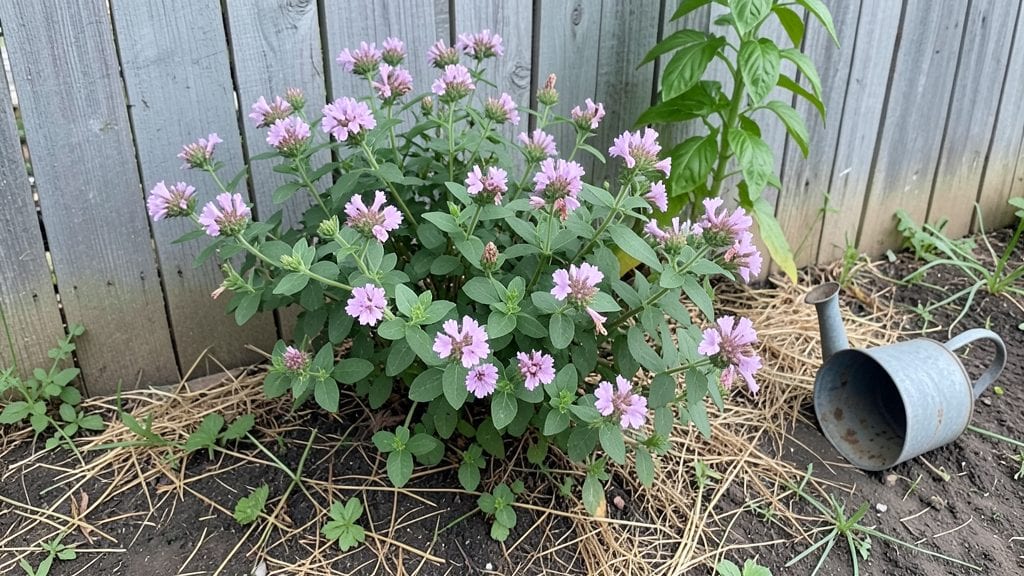
Watering lantana plants the right way is the secret to those nonstop blooms that turn heads in every garden.
Lantana plants thrive on neglect but reward precision—water them wrong, and you’ll sacrifice those vibrant blooms you love. The trick? A balance that keeps roots happy without drowning them, especially in USDA Zone 6a where spring planting sets the stage for summer showstoppers.
Too much water and you’ll see wilting leaves; too little and the flowers fizzle out. Here’s how to nail the exact schedule—whether your lantana 🌸 lives in a pot or sprawls in the ground—so it stays lush from June through October.
From drought-resistant tips to seasonal tweaks, I’ll break down the simple rules that keep your lantana thriving, even when you forget to water for a week.
How often to water lantana plants for maximum blooms
Lantana plants are famously drought-tolerant, but that doesn’t mean they thrive on zero water. In fact, proper watering is the secret to those nonstop blooms you adore. Too little water stunts growth, while too much causes root rot and wilting.
The key? A science-backed schedule that adapts to your climate and soil type. Let’s break down exactly how often to water lantana for maximum blooms—season by season.
Lantana’s water needs shift dramatically with the seasons. In spring and summer, when growth and blooming peak, they demand more frequent watering. But in fall and winter, their needs drop to a trickle as the plant enters dormancy.
Even soil type plays a role: sandy soil drains quickly, while clay holds moisture longer. Ignore these factors, and you’ll end up with leggy stems or mushy roots. Let’s fix that.
In spring, your lantana is waking up from dormancy and needs a steady moisture boost. Water every 3-5 days, ensuring the top 1-2 inches of soil dry out between sessions.
This encourages root development and sets the stage for summer blooms. Use a moisture meter or stick your finger 1 inch deep—if it’s dry, it’s time to water.
Summer is peak blooming season, so increase frequency to every 2-3 days unless you’re in a drought-prone area, where you can stretch it to 4-5 days. The goal? Keep the top 1 inch of soil moist but never soggy.
Overwatering in summer leads to root rot, while underwatering causes bud drop and wilting. Morning watering is key—it reduces evaporation and fungal risks.
As fall arrives, reduce watering to every 5-7 days. Your lantana is preparing for dormancy, so let the top 2-3 inches of soil dry out completely. This mimics natural rainfall patterns and prevents overly wet roots as temperatures drop.
Watch for yellowing leaves or stunted growth, which signal overwatering, or brittle stems, a sign of thirst.
Winter care is minimal: water monthly or skip entirely if frost is in the forecast. The goal is to keep the soil barely moist, just enough to prevent complete desiccation. Overwatering in winter can drown roots in cold soil, while underwatering may cause leaf drop.
If your lantana is in a container, reduce watering further—pots dry out faster but also retain less heat in winter.
Soil type dramatically affects watering needs. In sandy soil, which drains quickly, water every 2-3 days to maintain moisture. Amend with organic matter like compost to help retain water without
Best watering techniques to prevent root rot and wilting
Lantana plants may love the heat, but their roots are surprisingly delicate. Overwatering is the #1 cause of root rot and wilting, while underwatering stresses the plant into dormancy. The key is deep, infrequent watering that mimics natural rainfall patterns.
I’ve learned the hard way—my first lantana nearly died from soggy soil, but now I follow these techniques to keep roots happy and blooms vibrant.
Start by checking your lantana’s soil moisture before watering. Stick your finger 2 inches deep—if it’s dry, it’s time to water. If damp, wait another day. Morning watering is ideal because it gives foliage time to dry, reducing fungal risks.
Avoid evening watering, which can leave moisture trapped overnight and invite diseases like powdery mildew.
⚠️ Warning: The #1 Watering Mistake
Light, frequent watering drowns lantana roots in moisture, causing root rot and wilting. Instead, water deeply 2-3 times per week in summer (or once weekly in winter) to encourage strong root growth. Yellowing leaves or mushy stems? You’re overwatering—stop immediately and let the soil dry out.
For deep watering, use a soaker hose or watering can to deliver moisture directly to the root zone. Aim for 1-2 inches of water per session, letting it soak into the soil for at least 30 minutes.
This encourages roots to grow deeper, making your lantana more drought-resistant over time. I’ve seen dramatic improvements in my plants after switching to this method—they’re now thriving in USDA Zone 8 with minimal care.
Mulching is another game-changer for lantana care. Apply a 2-3 inch layer of organic mulch (like shredded bark or straw) around the base of the plant, but keep it 2 inches away from the stem to prevent rot. Mulch retains moisture, regulates soil temperature, and suppresses weeds—all while protecting roots from extreme heat. My mulched lantana stays hydrated 30% longer than unmulched plants, even in 100°F heat waves.
Don’t forget to adjust your watering based on container vs. in-ground lantana. Potted lantana dries out faster—check soil moisture daily in summer and water when the top inch feels dry. For in-ground plants, reduce frequency to every 5-7 days unless you’re in a sandy soil area, which drains quickly.
Always water until you see moisture dripping from the drainage holes in pots to ensure full saturation.
Finally, watch for wilting signs like droopy leaves or crispy edges—these are your plant’s SOS signals. While wilting can mean underwatering, it can also indicate overwatering if the soil stays soggy. The fix?
Adjust your schedule and improve drainage by amending soil with perlite or coarse sand. With these techniques, my lantana now blooms nonstop from June to October, even during droughts.