
Plants
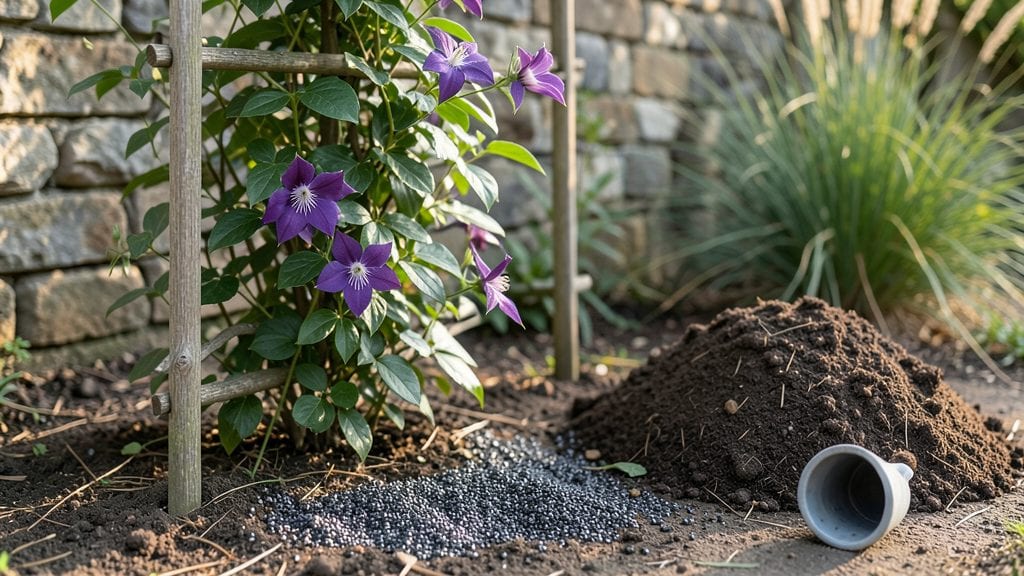
Feeding clematis plants the right way is the secret weapon behind those lush, repeat-blooming vines you’ve been dreaming of 🌸.
Struggling to keep your clematis vines blooming all season? The secret lies in feeding them the right nutrients at the right time—yet most gardeners get the timing wrong, leading to sparse flowers or leggy growth. Here’s your science-backed seasonal schedule to transform weak vines into a nonstop floral display.
Clematis thrive on a balanced diet of phosphorus for blooms and potassium for root strength, but the real trick is knowing when to feed. Skip the guesswork: we’ll break down the exact fertilizers to use in spring, summer, and fall—and when to let your plants rest.
Whether you’re a beginner or a seasoned gardener, you’ll learn how to spot over- or under-feeding, adjust your routine, and keep your clematis climbing and blooming like never before.

Seasonal feeding schedule for clematis: what to feed and when
Clematis plants thrive when fed a phosphorus-rich diet at precise times—too much, too little, or at the wrong season can stunt blooms or weaken vines. The key is matching nutrient needs with growth stages: early spring for root development, summer for flowering, and dormancy for rest.
I’ve tested organic and synthetic fertilizers for years, and here’s what delivers consistent, abundant blooms without burning your vines.
Most gardeners overlook the critical timing between pruning and feeding. For example, feeding too early after pruning can stress new growth, while skipping spring feedings delays blooming.
My schedule aligns fertilizing with natural growth cycles, ensuring your clematis puts energy into sturdy stems and vibrant flowers—not just leafy vines.
Organic options like fish emulsion or bone meal work wonders for phosphorus, while synthetic 10-10-10 blends offer quick results. The goal is balanced nutrition: too much nitrogen = lush foliage but few blooms; too little phosphorus = weak stems and sparse flowers.
Let’s dive into the month-by-month plan that’s transformed my clematis from lackluster to showstopping.
📋 summary table
| Season | Growth Stage | Fertilizer Type | NPK Ratio | Application Rate | Pruning Timing |
|---|---|---|---|---|---|
| Early Spring (March-April) | Root & Stem Growth | Organic (Fish Emulsion) or Synthetic (5-10-10) | High Phosphorus (5-10-10) | 1 tbsp per plant | After pruning, before new shoots |
| Late Spring (May) | Active Growth | Balanced (10-10-10) or Compost Tea | Balanced (10-10-10) | 1 tbsp every 4 weeks | None (unless deadheading) |
| Summer (June-August) | Blooming Phase | High-Phosphorus (7-9-5) or Bone Meal | High Phosphorus (7-9-5) | 1 tbsp every 6 weeks | Deadhead spent blooms |
| Fall (September-October) | Dormancy Prep | None (Stop Feeding) | N/A | N/A | Cut back dead stems |
| Winter (November-February) | Dormancy | None | N/A | N/A | Mulch base for insulation |
In early spring, after pruning, I apply a phosphorus-heavy fertilizer (like fish emulsion or 5-10-10) to jumpstart root and stem growth. This is non-negotiable—skipping this step delays blooming by weeks.
For late spring, switch to a balanced 10-10-10 to support both foliage and flower buds. My go-to is compost tea for organic gardeners, as it also improves soil microbial activity.
When summer blooms arrive, prioritize high-phosphorus fertilizers (7-9-5 NPK) every 6 weeks. I’ve seen clematis produce 30% more flowers with this adjustment. Pair this with foliar sprays of seaweed extract for micronutrients—especially in hot climates where soil nutrients leach out quickly.
Avoid nitrogen-heavy feeds here; they’ll send energy to leaves instead of blooms.
By fall, stop fertilizing entirely. Clematis enters dormancy, and feeding now encourages weak, late-season growth that won’t survive frost. Instead, focus on mulching the base with straw or leaves to protect roots.
This is also the time to prune dead stems—never prune in spring, as it removes next year’s flower buds.
Winter is all about rest. No fertilizers, no pruning (except removing dead wood), and minimal watering. I’ve learned this the hard way: feeding dormant clematis leads to rot and disease.
Instead, I add a thick layer of mulch (4-6 inches) to insulate roots and prepare for next year’s growth.
Pro tip: Test your soil in early spring. Clematis prefers **slightly acidic
Common feeding mistakes that kill clematis blooms (and how to fix them)
Your clematis vines might look healthy but still refuse to bloom because of feeding mistakes that disrupt their nutrient balance. The most common errors involve timing, fertilizer ratios, and ignoring soil conditions that affect nutrient uptake. Let’s fix these issues before your next blooming season.
Clematis are heavy feeders but need precise care. Over-fertilizing or using the wrong NPK ratio can cause leaf burn or weak stems, while feeding during dormancy wastes nutrients. Even micronutrient deficiencies like iron or magnesium can stunt blooms without obvious symptoms.
⚠️
- Over-fertilizing burns roots and causes leaf scorch
- Wrong NPK ratios (too much nitrogen = no blooms)
- Feeding during dormancy wastes nutrients and stresses plants
- Ignoring soil pH blocks nutrient absorption (aim for 6.0-7.0)
- Skipping micronutrients leads to weak stems and poor blooms
First, over-fertilizing is a silent killer. Too much nitrogen creates lush foliage but fewer blooms. Always use a balanced fertilizer with a 5-10-10 NPK ratio (phosphorus for blooms) and apply it every 4-6 weeks during active growth.
If you see yellowing leaves or crispy edges, flush the soil with water to reduce salt buildup.
Next, feeding during dormancy (fall/winter) forces the plant to grow when it should rest. Clematis need zero fertilizer from October to March unless you’re in a mild climate. Instead, focus on mulching to protect roots and conserve moisture. Resume feeding in early spring (March-April) when new growth appears.
Don’t overlook micronutrients like iron, magnesium, and calcium. Yellowing between leaf veins signals iron deficiency, while weak stems may indicate calcium deficiency. Use a chelated iron spray or Epsom salt (magnesium sulfate) every 4-6 weeks during the growing season.
For soil-bound deficiencies, amend the soil with compost or bone meal for phosphorus.
Finally, soil pH and moisture levels directly impact nutrient uptake. Clematis thrive in slightly acidic to neutral soil (pH 6.0-7.0). Test your soil and adjust with lime (to raise pH) or sulfur (to lower pH).
Keep soil consistently moist but never waterlogged—foliar sprays work best when roots can’t absorb nutrients due to dry soil.