
Companion Plants
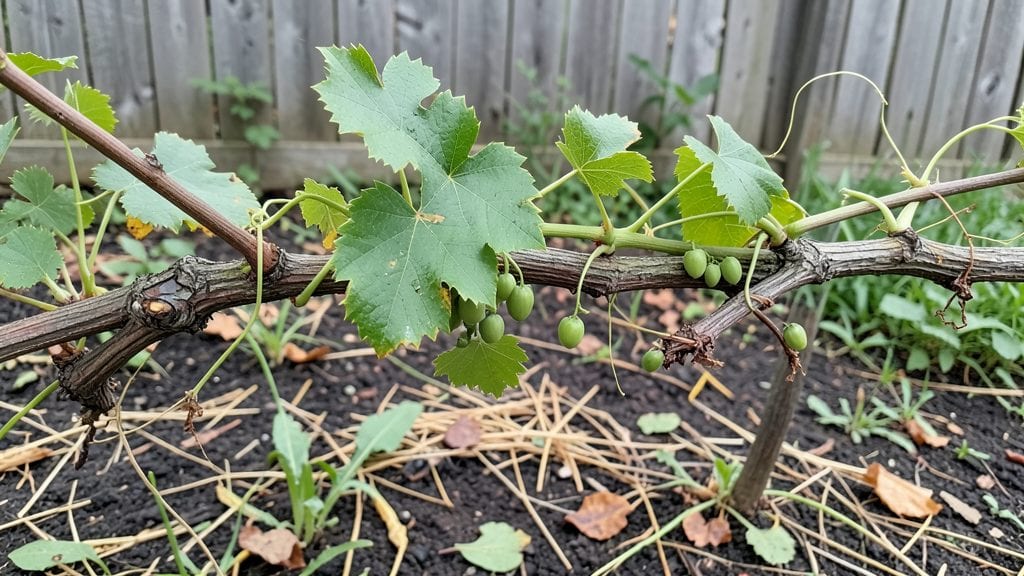
Mastering vine plants identification could spare you from gardening nightmares—like mistaking poison ivy for a grapevine. 🌿 I’ve wrestled with tangled vines that turned out to be poison ivy instead of the grapevine I wanted—until I learned to spot the key differences.
This quick guide cuts through the confusion by focusing on leaf patterns, stem textures, and growth habits that set each vine apart.
The trick is matching leaf shapes to common vines: lobed leaves mean Virginia creeper, compound leaves point to wisteria, and smooth-edged leaves could be morning glories. I’ll break down 15 types with photos and tips to tell apart look-alikes like poison ivy (three leaflets) versus Boston ivy (five leaflets).
No more guessing—just clear visual cues.
You’ll walk away able to ID vines in minutes, whether you’re pruning your trellis or spotting an invasive species creeping into your yard. The right tools—like a field guide or plant ID app—make it even faster. Let’s get you confident in those leaf patterns so you can garden with purpose.
Bonus: I’ll flag toxic or aggressive vines so you know what to avoid. Regional notes help too—some vines thrive in the South but struggle in the Pacific Northwest. Your garden’s future starts with knowing what’s growing there.
Root Causes of Vine Misidentification
Misidentifying vine plants often boils down to a mix of environmental, biological, and human factors. Understanding these root causes can help gardeners and plant enthusiasts sharpen their skills and avoid costly mistakes. Below, we break down the most common reasons why vine identification goes wrong—and how to address them.
Vines often share similar leaf shapes, tendrils, or growth habits, making them hard to distinguish at first glance. Many vines belong to the same botanical families (like Cucurbitaceae or Fabaceae), which means their basic structures—such as lobed leaves or compound foliage—can look nearly identical.
Why it happens:
- Convergent evolution: Different plant species develop similar traits (e.g., heart-shaped leaves) to thrive in the same conditions, even if they’re not closely related.
- Juvenile vs. mature leaves: A vine’s leaves may change dramatically as it ages. For example, a young Passiflora (passionflower) vine might resemble Clematis, but its mature leaves are entirely different.
- Seasonal variations: Stress from drought, heat, or cold can distort leaf shapes, making identification unreliable without context.
Actionable fix: ✔ Compare multiple features: Don’t rely on just one trait (e.g., leaf shape). Check for:
- Flower structure (color, symmetry, petal count)
- Stem texture (hairy, smooth, woody)
- Growth habit (twining, climbing, trailing)
✔ Track growth over time: Take monthly photos to document changes in leaf shape, vine thickness, and flowering patterns.
Vines under stress often exhibit stunted growth, discolored leaves, or abnormal shapes—all of which can throw off identification. Environmental conditions like light, water, and soil pH play a huge role in how a vine "presents" itself.
Why it happens:
- Light deprivation: Vines grown in shade may develop elongated stems and smaller, paler leaves. A Morning Glory (Ipomoea) in full sun vs. partial shade can look like two different species.
- Waterlogged or dry soil: Overwatering causes yellowing leaves, while drought triggers curled or crispy edges. Both conditions can mimic disease or pest damage.
- Nutrient deficiencies: Lack of nitrogen (common in poor soil) leads to pale, yellowing leaves, while potassium deficiency causes brown leaf tips—traits that might be mistaken for other plant issues.
Actionable fix: ✔ Note growing conditions: Jot down where the vine is planted (sun/shade, soil type) and how it’s cared for (watering, fertilizing). ✔ Rule out stress first: If a vine looks "off," check for environmental fixes before assuming it’s a rare or misidentified species. ✔ Use a soil test kit: Adjust pH or nutrients if the vine’s health is clearly tied to soil quality.
Pests and pathogens can alter a vine’s appearance so dramatically that even experienced gardeners might misidentify it. For instance, a Grapevine (Vitis) with powdery mildew could be confused for a different species entirely.
Why it happens:
- Powdery mildew: Creates a white, powdery coating on leaves, making them look fuzzy or distorted (common in Cucumbers and Squash).
- Spider mites: Cause stippling (tiny white/yellow dots) on leaves, giving the illusion of a different leaf pattern.
- Bacterial or fungal spots: Dark, irregular patches on leaves (e.g., Alternaria leaf spot) can make a healthy vine appear diseased or unrelated.
- Viral infections: Mosaic patterns or stunted growth (e.g., Tobacco Mosaic Virus) can drastically change a vine’s look.
Actionable fix: ✔ Inspect the undersides of leaves: Many pests hide there, and their damage often starts subtly. ✔ Check for patterns: Are the "oddities" random (pests/disease) or consistent (genetic trait)? ✔ Isolate suspicious vines: If you suspect disease, quarantine the plant to prevent spread before identifying it.
Even the most experienced gardeners can misidentify vines if they don’t examine them thoroughly. A quick glance at a leaf or flower isn’t enough—especially for lookalike species like Bittersweet (Celastrus) and Trumpet Vine (Campsis).
Why it happens:
- Focusing on one feature: Relying solely on leaf shape (e.g., "It’s a grapevine because the leaves are lobed!") ignores critical details like tendril structure or flower color.
- Ignoring the whole plant: A vine’s growth habit (e.g., twining clockwise vs. counterclockwise) or root system can be key identifiers.
- Seasonal blindness: Skipping the flowering or fruiting stage means missing critical clues. For example, Poison Ivy (Toxicodendron) is nearly impossible to ID without its distinctive three-leaflet pattern and berries.
Actionable fix: ✔ Use a checklist: Before identifying, confirm:
- Leaf arrangement (alternate, opposite, whorled)
- Stem characteristics (woody, herbaceous, thorns)
- Flower/fruit presence (if any)
✔ Take close-up photos: Capture details like vein patterns, leaf edges, and stem texture. ✔ Consult multiple sources: Cross-reference with field guides, apps (like iNaturalist or PlantNet), and local botanists.
Some vines are native to specific regions, while others are hybrids or cultivated varieties bred for unique traits. Without knowing the plant’s origin or history, identification becomes a guessing game.
Why it happens:
- Hybrid vigor: Crossbreeding (e.g., Honeysuckle hybrids) can produce vines with unpredictable leaf shapes or colors.
- Invasive species: Non-native vines (like Japanese Honeysuckle or Kudzu) may lack local identification resources.
- Cultivar variations: Garden centers sell modified versions of classic vines (e.g., variegated Ivy or dwarf Wisteria) that don’t match standard field guides.
Actionable fix: ✔ Ask for provenance: If purchasing a vine, request details on its origin or breeding. ✔ Join local plant groups: Regional Facebook groups or gardening clubs often share verified ID tips for native/hybrid vines. ✔ Check invasive species databases: Websites like the USDA PLANTS Database can help distinguish non-native vines.
Quick fixes for vine plant woes
Got tangled in vine plant identification? Once you’ve narrowed down your leafy mystery climber, the next step is addressing any issues—whether it’s overgrowth, pests, or poor health. Here’s how to tackle common problems with practical, step-by-step solutions.
Cause: Fast-growing vines can quickly take over trellises, fences, or garden space, blocking sunlight for other plants or becoming a tangled mess.
Fix It:
- 🔪 Prune Regularly – Trim back vines in early spring or after flowering to encourage bushier growth. Use clean, sharp pruners to avoid damaging the plant.
- 🌿 Control Direction – Guide vines along trellises or strings to prevent sprawling. For aggressive climbers like morning glories, prune back by ⅓ after flowering to slow spread.
- 🌡️ Adjust Watering – Overwatering can fuel rapid growth. Let the soil dry slightly between waterings to temper the vine’s vigor.
Prevention Tip: 💡 Plant slower-growing vines like clematis or wisteria if you prefer manageable climbers. For fast growers, schedule monthly pruning sessions to stay ahead.
Cause: Soft, tender vine leaves attract pests like aphids (which exude sticky honeydew) or spider mites (visible webbing). Caterpillars may chew holes in foliage.
Fix It:
- 💦 Blast Off Pests – Spray vines with a strong stream of water to dislodge aphids or spider mites. Repeat every 2–3 days for severe infestations.
- 🧴 Natural Sprays – Mix 1 tsp neem oil + 1 tsp dish soap + 1 quart water in a spray bottle. Apply to undersides of leaves where pests hide.
- 🐛 Introduce Beneficial Insects – Ladybugs or lacewings devour aphids naturally. Release them in the evening when pests are active.
- 🍎 Remove Damaged Leaves – Prune heavily infested leaves and dispose of them in sealed bags to prevent spread.
Prevention Tip: ✨ Encourage pollinators (like bees) and predatory insects by planting companion flowers like marigolds or basil nearby—they deter pests naturally.
Cause: Overwatering, underwatering, nutrient deficiencies (like nitrogen), or fungal diseases (e.g., powdery mildew) can turn leaves yellow or crispy.
Fix It:
- 💧 Check Watering Habits –
- Overwatered? Let soil dry out between waterings. Improve drainage by adding compost or perlite to heavy soil.
- Underwatered? Water deeply at the base (not overhead) to avoid fungal issues. Mulch to retain moisture.
- 🌿 Fertilize Smartly – Use a balanced 10-10-10 fertilizer in spring for leafy vines (e.g., ivy, grapevines). For flowering vines (e.g., passionflower), switch to a 5-10-10 formula to boost blooms.
- 🍄 Treat Fungal Issues – If powdery mildew appears (white powdery coating), spray with a baking soda mix (1 tbsp baking soda + 1 quart water + a drop of soap). Apply weekly until cured.
Prevention Tip: 🌡️ Space vines for airflow—crowded plants trap moisture, inviting fungal growth. Prune to improve circulation.
Cause: Insufficient light, poor soil, or root-bound vines (e.g., in containers) lead to weak, stretched-out growth.
Fix It:
- ☀️ Move to Brighter Light – Most vines need 6+ hours of sunlight daily. If indoors, place near a south-facing window or use grow lights.
- 🌱 Refresh the Soil – Amend garden soil with compost or repot container vines into slightly larger pots with fresh well-draining potting mix.
- 💡 Boost Growth Hormones – Spritz vines with a seaweed fertilizer (rich in growth hormones) or dilute fish emulsion (1 tbsp per gallon of water) monthly.
Prevention Tip: 🎯 Start with the right container—vines in pots need 1–2 inches of extra space per year for roots to expand.
Cause: Waterlogged soil or poor drainage suffocates roots, leading to black, mushy stems or foul-smelling roots.
Fix It:
- 🚰 Improve Drainage – If in the ground, amend soil with sand or gravel. For containers, add perlite or orchid bark to the potting mix.
- 🔪 Prune Rotten Parts – Cut away blackened stems or roots with sterilized shears. Dip cuts in cinnamon powder (natural antifungal) before replanting.
- 🌱 Repot if Needed – Remove the vine, trim healthy roots, and repot in fresh, dry mix. Avoid watering for 3–5 days to let wounds heal.
Prevention Tip: 💡 Use terracotta pots (they wick away moisture) or add a layer of pebbles at the bottom of containers to prevent soggy soil.
Pro Tip: 📊 Keep a vine care journal—note watering, pruning, and pest events to spot patterns and adjust your approach next season!
Frequently asked questions
How do I tell poison ivy apart from Virginia creeper?
Poison ivy has three smooth-edged leaflets with a single stem, while Virginia creeper features five to seven pointed leaflets on one stem. Also, Virginia creeper turns brilliant red in fall, while poison ivy stays green longer. Always remember: "Leaves of three? Let it be!"
What's the best free app for vine identification?
Try iNaturalist or PlantNet—both let you upload photos and get expert IDs from crowdsourced data. For US gardeners, the USDA Plants Database also has great visual guides. Pro tip: Take close-ups of leaves, flowers, and stems for the best matches.
Can I grow wisteria from seed?
Technically yes, but it takes 5-7 years to flower—and the first blooms may be sparse. For faster results, buy a grafted plant from a nursery. Wisteria grows aggressively; plant near sturdy structures or expect pruning battles!
Why does my morning glory vine keep dying?
Morning glories are annuals with shallow roots—they often die after one season. Overwatering or poor soil drainage can also kill them. Try planting in well-draining soil with 6+ hours of sun and water only when the top inch feels dry.
Are there any toxic vines I should avoid?
Yes! Poison ivy, poison oak, and English ivy (toxic when ingested) are common culprits. Also watch for bittersweet (invasive) and Japanese honeysuckle (aggressive spreader). Always wear gloves when handling unfamiliar vines.