
Watering
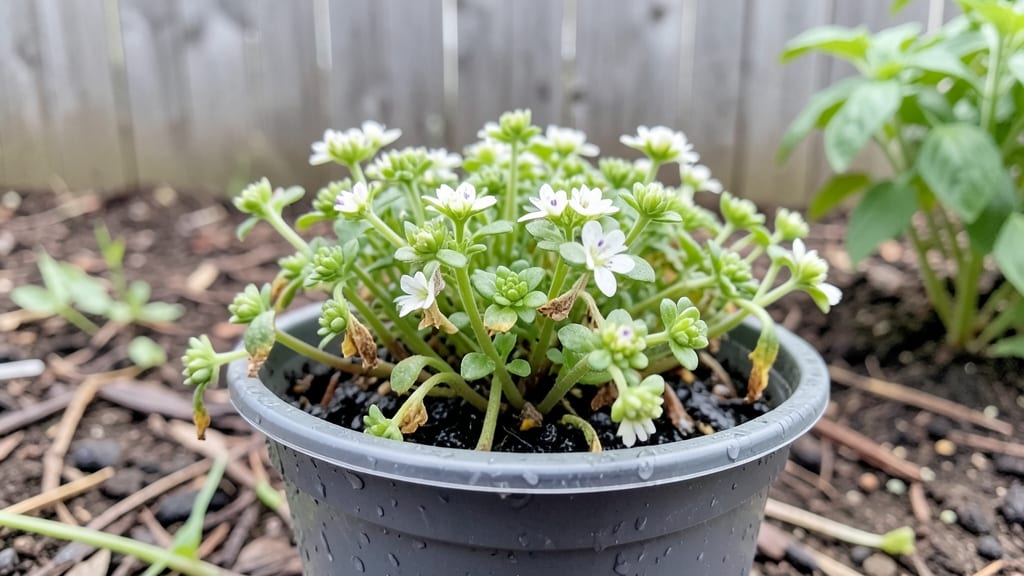
A plant overwatered seedling can turn your green dreams into yellow leaf disasters—fast. 🌱 I’ve drowned more than my fair share, but these three steps bring them back from the brink every time. The key? Stopping the rot before it spreads, and knowing exactly when to pull back.
Yellowing leaves and mushy stems are the first red flags. Most people panic and water more, but seedlings need air around their roots just as much as moisture.
Grab a small pot, fresh potting mix, and your patience—this rescue takes less than 15 minutes and saves plants that would otherwise be compost.
By the time you’re done, you’ll see crisp new growth in 3-5 days, with leaves returning to their vibrant green. The secret is simple: let the soil dry out slightly between waterings, and never let seedlings sit in saucers of standing water.
Trust me, your future harvests will thank you.
Works for tomatoes, peppers, herbs—anything you’ve started from seed. The same rules apply whether you’re growing in flats, pots, or a sunny windowsill. Let’s turn those sad seedlings around!
Root Causes Of Waterlogged Seedlings
When your seedling’s leaves turn yellow and droop, it’s often a cry for help—not too little water, but too much. Understanding the science behind overwatering is the first step to saving your little green friend. Here’s why it happens, broken down into the most common culprits:
Seedlings thrive in soil that drains freely, but many containers—especially plastic trays or small pots—lack proper drainage holes. When water sits at the bottom, roots suffocate because:
- Oxygen depletion: Roots need air to respire (breathe). Stagnant water replaces oxygen with carbon dioxide, suffocating roots and triggering anaerobic bacteria that produce toxic compounds like ethanol and acetic acid.
- Fungal invasion: Excess moisture creates a breeding ground for Pythium and Phytophthora, fungi that rot roots and block nutrient uptake. Yellowing leaves are often the first sign of root collapse.
- Nutrient lockout: Overwatered soil becomes waterlogged, diluting essential nutrients like nitrogen and phosphorus. Even if fertilizer is present, roots can’t access it, leading to chlorosis (yellowing).
Actionable fix: Use pots with drainage holes or elevate containers on saucers with pebbles to prevent water pooling.
Seedlings have tiny root systems and shallow soil—what seems like a "light drink" can actually drown them. Common mistakes include:
- Ignoring soil moisture: Sticking your finger 1 inch into the soil is the gold standard. If it’s damp, wait. Many gardeners water on a schedule (e.g., every 2 days) without checking—leading to chronic sogginess.
- Mistaking thirst for wilting: Overwatered seedlings often look wilted because their roots can’t function, but the soil is saturated, not dry. A quick touch test reveals the truth.
- Using the wrong water volume: A slow, steady pour is better than a heavy downpour. Seedlings need moisture control, not a flood.
Actionable fix: Water only when the top 1–2 inches of soil feel dry to the touch. Use a spray bottle for gentle hydration.
Humidity, temperature, and airflow play huge roles in how quickly soil dries. Seedlings in high-humidity environments (like bathrooms or closed greenhouses) are especially vulnerable:
- High humidity slows evaporation: Air saturated with moisture prevents water from escaping the soil, keeping roots submerged longer. Ideal humidity for seedlings: 40–60%.
- Cold temperatures stall drying: Cool air reduces soil’s ability to dry out. If your seedlings are in a drafty or unheated space, water evaporates slower, increasing drowning risk.
- No airflow = stagnant soil: Still air traps moisture near the soil surface. A gentle fan (set to low) can improve airflow without stressing delicate seedlings.
Actionable fix: Place seedlings in a well-ventilated area, avoid grouping pots too closely, and use a small fan on low to encourage airflow.
Not all soil is created equal. Heavy, clay-based mixes or garden soil compact easily, preventing water from draining. Seedlings need:
- Lightweight, airy blends: Ideal mixes include 50% peat moss or coco coir, 30% perlite or vermiculite, and 20% compost. This ratio ensures water drains while retaining enough moisture.
- Avoid garden soil: It’s too dense and retains water for days, suffocating roots. Seedlings in garden soil often develop damping-off, a fungal disease that causes yellowing and collapse.
- pH matters: Overwatered acidic soil (pH < 6.0) can leach nutrients faster, worsening yellowing. Test your mix and amend with lime if needed.
Actionable fix: Repot seedlings in a lightweight, sterile seed-starting mix. Add perlite or sand to improve drainage if your current soil feels gummy.
💡 Pro Tip: If your seedling’s yellowing is paired with black, mushy stems or a foul smell, it’s a root rot emergency. Act fast—trim affected roots and repot in fresh, dry mix.
Revive Your Seedling in 3 Steps
Now that you know the signs and causes of an overwatered seedling 🌱💦, it’s time to take action! The good news? Most seedlings can bounce back with the right care. Below, we’ve mapped out practical fixes for each common cause—plus prevention tips to keep your little green friend thriving.
Cause: Excess moisture suffocating roots Fix: Let the soil dry out before watering again.
- 🌱 Remove the seedling from its container and gently inspect the roots. If they’re dark, mushy, or smell foul, trim the affected parts with sterilized scissors (✂️). - 💧 Repot in fresh, well-draining soil (mix in perlite or sand for aeration).
Choose a pot with drainage holes—no exceptions! - 🌡️ Place in indirect light (no harsh sun yet) and skip watering for 2–3 days. Let the soil dry completely before adding moisture again.
✨ Pro Tip: If repotting isn’t an option, top-dress with dry soil to absorb excess moisture at the surface.
Cause: Poor soil or stagnant air trapping moisture Fix: Optimize the growing environment.
- 🔄 Check your soil mix—heavy, clay-based soils hold too much water. Amend with: - 50% potting soil + 30% perlite + 20% coco coir (or vermiculite). - Avoid garden soil—it compacts and retains moisture. - 🌬️ Boost airflow by: - Moving the seedling to a bright, breezy spot (a fan on low can help 🌬️). - Spreading leaves apart if they’re crowded (overcrowding = more humidity). - 🚿 Water only when the top inch of soil feels dry.
Use the finger test: Stick your index finger in—if it’s damp, wait.
💡 Quick Fix: If roots are circling (a sign of overwatering + poor drainage), loosen them gently before repotting to encourage new growth.
Cause: Inconsistent or excessive watering Fix: Train yourself (and your watering can) with this 3-step routine:
- 📅 Schedule watering based on the plant’s needs, not your schedule. - Most seedlings: Water every 5–7 days (less in cool weather). - Tropical varieties (e.g., ferns): Water every 3–4 days but in smaller amounts.
- 💧 Water deeply but infrequently: - Bottom-watering method (place the pot in a tray of water for 10 mins) encourages roots to grow downward. - Avoid misting—it increases humidity around leaves, promoting fungal issues.
- 🌧️ Use the right tools: - A spray bottle for delicate seedlings. - A watering can with a narrow spout to target the soil, not the leaves.
⚠️ Warning Signs You’re Overwatering:
- Soil smells sour or rotten.
- Leaves yellow and mushy (not crisp).
- Fungal growth (white/fuzzy spots = time to act!).
Once your seedling recovers, lock in these habits to avoid repeat mistakes:
- 📊 Track watering with a small notebook or app (e.g., "Planta" or "Gardenate").
- 🌡️ Monitor humidity—keep it below 60% for most seedlings (use a hygrometer if needed).
- 🌿 Choose the right pot size—too big = excess soil holds water. Start small (3–4 inches for most seedlings).
- 🍂 Rotate leaves toward light daily to prevent one-sided growth (which weakens the plant).
- 🔄 Repot every 4–6 weeks to refresh soil and check root health.
🎯 Final Reminder: Patience is key! A rescued seedling may take 1–2 weeks to show signs of recovery. Stay consistent, and your little green warrior will be back to thriving in no time. 🌟
Frequently asked questions
How do I know if my seedling is overwatered vs. underwatered?
Check the soil first—stick your finger 1 inch deep. If it's damp but the leaves are yellow and mushy, it's overwatered. If the soil is bone-dry and leaves are crispy, it's thirsty. A key difference: overwatered seedlings often smell sour or have blackened stems, while underwatered ones feel light and dry.
Can I save a seedling with black, mushy stems?
Yes, but act fast! Trim the blackened stems with sterilized scissors, repot in fresh, well-draining soil, and let it dry out for 2-3 days before watering. Place it in bright, indirect light and avoid misting. If the roots smell foul, soak them in hydrogen peroxide (3%) for 10 minutes before repotting.
Why does my seedling keep getting overwatered even when I think I'm doing it right?
Common traps include using pots without drainage holes, watering on a schedule instead of checking soil moisture, or grouping seedlings too closely (trapping humidity). Try these fixes: use pots with holes, space seedlings apart, and water only when the top 1-2 inches of soil feel dry. A small fan on low can also help dry soil faster.
Is it better to underwater than overwater seedlings?
While both extremes are bad, overwatering is more dangerous—it causes root rot and fungal diseases that can kill seedlings in days. Underwatered seedlings recover faster once watered properly. The key is balance: keep soil lightly moist (like a damp sponge) and always use containers with drainage.
How long does it take for an overwatered seedling to recover?
With proper care, you'll see improvement in 3-5 days—new green growth at the stem base signals recovery. Full recovery may take 1-2 weeks, depending on how severe the damage was. Be patient and avoid watering until the soil is dry to the touch. Monitor closely and adjust light if leaves look stressed.