
Pests and Diseases
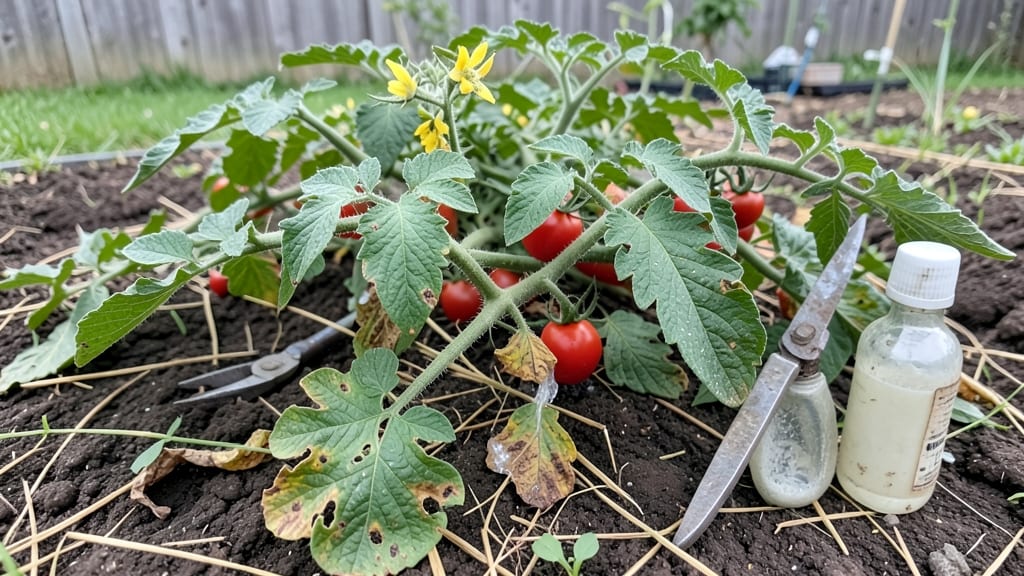
The first time I faced a tomato plant disease treatment crisis, I realized the real loss wasn’t just the crop—it was the confidence of watching my heirlooms turn to spotted, shriveled mush. 🌱 I’ve seen early blight strike fast, and now I’m here to share how I fought back. messes, and late blight wipe out entire plants in days.
The good news? You don't need harsh chemicals to fight back—just the right organic treatments applied at the right time.
Most diseases start with poor air circulation or wet foliage, so pruning and spacing plants properly cuts off their fuel source. Copper fungicide sprays work wonders, but baking soda mixtures (yes, the kind you bake with) can prevent powdery mildew just as effectively.
The key is acting fast—once those dark spots appear, you're already behind. I've stopped blight in its tracks by removing infected leaves immediately and treating the rest with a homemade spray.
What you'll end up with is plants that keep producing instead of giving up. The leaves stay green and sturdy, the fruit ripens without blemishes, and you avoid the heartbreak of watching your tomatoes rot on the vine.
The best part? These methods work whether you're growing in raised beds, containers, or straight in the ground. Here's how to turn the tide before it's too late.
Even if you've lost plants before, this system gives you a second chance. The tools you need are simple—spray bottles, pruners, and a few kitchen staples—and the results speak for themselves. Let's get those tomatoes back on track before another season slips away.
Root Causes of Tomato Diseases
Tomato plants are prone to diseases due to a mix of environmental stress, microbial invaders, and poor growing conditions. Understanding the why behind these issues is the first step to prevention and treatment.
Below, we break down the key factors that trigger tomato diseases—so you can address them before they spread.
Fungi thrive in moist, warm conditions, and tomato plants are a prime target. These pathogens often enter through wounds, leaves, or even the soil, then multiply rapidly when conditions are ideal.
- Overhead Watering 💦 Water droplets on leaves create a perfect breeding ground for fungi like Phytophthora (causing blight) and Alternaria (responsible for early blight). When water lingers, fungal spores germinate and infect plant tissues.
- Poor Air Circulation 🌬️ Dense foliage or crowded plants trap humidity, slowing evaporation and keeping leaves damp. This stagnant air allows fungal spores to spread unchecked, leading to leaf spots, blight, or powdery mildew.
- Contaminated Soil or Tools 🌱 Fungal spores can survive in soil for years, especially if previous tomato crops were infected. Reusing contaminated pruners, stakes, or pots without sterilizing them introduces pathogens directly to healthy plants.
Unlike fungi, bacteria multiply rapidly in warm, wet conditions and can spread through water splashes, insects, or even human handling. Common bacterial diseases in tomatoes include:
- Bacterial Spot (Xanthomonas perforans)
- Bacterial Wilt (Ralstonia solanacearum)
- Bacterial Canker (Clavibacter michiganensis)
- Wet Leaf Surfaces 🌧️ Bacteria enter through stomata (leaf pores) or wounds, then thrive in standing water. Heavy rain or improper irrigation (especially overhead watering) accelerates outbreaks.
- Insect Vectors 🐜 Aphids, flea beetles, and even garden tools can transfer bacteria from infected to healthy plants. Once inside the plant’s vascular system, bacteria clog xylem vessels, causing wilting and death.
- Stress from Heat or Injury 🔥 Heat stress weakens tomato plants, making them more susceptible to bacterial infections. Physical damage (e.g., from hail, pruning, or harvesting) creates entry points for bacteria.
Viruses don’t spread on their own—they hitch rides on insects, tools, or even contaminated seeds. Once inside a tomato plant, they cannot be cured, only prevented.
- Sap-Sucking Insects 🐛 Aphids, whiteflies, and tomato hornworms transmit viruses like Tomato Mosaic Virus (ToMV) and Tomato Yellow Leaf Curl Virus (TYLCV). These insects feed on infected plants, then move to healthy ones, injecting viral particles as they go.
- Contaminated Hands or Tools 🧤 Viruses can survive on gloves, pruners, or even your fingers if you handle infected plants first. Always sterilize tools with rubbing alcohol between uses.
- Seed-Borne Viruses 🌱 Some viruses (e.g., Cucumber Mosaic Virus) can be carried in seeds. Using certified disease-free seeds and heat-treated soil reduces this risk.
Tomatoes under stress are far more vulnerable to diseases. Common stressors include:
- Extreme Temperatures (too hot or too cold)
- Nutrient Deficiencies (especially nitrogen or potassium)
- Poor Drainage (root rot from soggy soil)
- Overcrowding (reduces airflow and sunlight)
- Heat Stress 🌡️ Temperatures above 90°F (32°C) can burn leaves, creating wounds where fungi and bacteria enter. Weakened plants also struggle to produce protective compounds like phytoalexins, which normally fight off pathogens.
- Waterlogged Soil 💧 Roots deprived of oxygen rot quickly, making plants susceptible to Fusarium wilt and Verticillium wilt. These soil-borne fungi enter through root injuries, then spread systemically.
- Nutrient Imbalances 🍽️ A lack of potassium weakens cell walls, making them easier targets for pathogens. Conversely, excess nitrogen promotes lush, soft growth that’s prone to fungal infections.
Sometimes, well-meaning gardeners unintentionally create the perfect conditions for disease.
- Ignoring Pruning Hygiene ✂️ Leaving infected leaves on the plant or in the garden allows spores to re-infect healthy foliage. Always remove and destroy diseased plant debris (don’t compost it!).
- Planting Too Early or Too Late ⏳ Cool, wet springs (common in many climates) delay plant hardening, leaving young tomatoes vulnerable to early blight and damping-off.
- Using Infected Mulch or Compost 🌿 Wood chips or compost from diseased plants can harbor fungal spores like Phytophthora. Opt for sterilized mulch or homemade compost from non-infected plant material.
Most tomato diseases don’t appear overnight—they’re the result of cumulative stress and poor practices. By addressing moisture control, airflow, sanitation, and plant health, you can dramatically reduce the risk of outbreaks.
The next section will cover natural, fungicide-free treatments to protect your crop once you’ve identified the cause.
Fixing Fungal Foes Naturally
Tomato diseases like blight, early blight, late blight, and leaf spot can feel like a losing battle—but they’re not! With the right fungicide-free fixes, you can rescue your plants and even prevent future outbreaks.
Below, we’ll map common symptoms to practical, garden-tested solutions, plus prevention tips to keep your tomatoes thriving.
Cause: Alternaria solani fungus thrives in warm, humid conditions, creating concentric brown spots on leaves and stems.
How to Treat It
- 🔥 Prune & Remove Infected Leaves
- Snip off yellow or brown leaves (especially lower ones) and dispose of them in the trash (not compost!). This stops the fungus from spreading.
- Pro Tip: Use sterilized pruners (wipe with rubbing alcohol) to avoid cross-contamination.
- 🌿 Boost Airflow & Space Plants
- Thin out crowded plants so air circulates. 3–4 feet between rows helps leaves dry faster after watering.
- 🍳 Copper Fungicide Spray (DIY or Store-Bought)
- Mix 1 tsp baking soda + 1 quart water + a few drops of dish soap (or use copper fungicide like Bonide).
- Spray under leaves every 7–10 days until new growth appears.
- 🌡️ Mulch with Straw or Grass Clippings
- A 2–3 inch layer keeps soil moist (but not soggy) and blocks spore splashes from soil.
Prevention: ✅ Rotate crops—don’t plant tomatoes in the same spot yearly. ✅ Water at the base (avoid overhead sprinkling). ✅ Plant resistant varieties like ‘Mountain Merit’ or ‘Defiant PhR.’
Cause: Phytophthora infestans spreads rapidly in cool, wet weather, causing dark, greasy spots that turn leaves black.
How to Treat It
- 🚨 Act FAST—Remove All Infected Plants
- Late blight spreads within 48 hours. Pull and destroy (burn or bag) infected plants to stop spores.
- 👨🍳 DIY Hydrogen Peroxide Spray
- Mix 1 tbsp 3% hydrogen peroxide + 1 quart water. Spray every 3–5 days to kill spores on leaves.
- 🥘 Baking Soda Spray (Mild but Effective)
- Combine 1 tbsp baking soda + 1 tsp oil + 1 gallon water. Spray every 5–7 days for prevention.
- ⏰ Adjust Watering Schedule
- Water early in the day so foliage dries by evening. Drip irrigation is best.
Prevention: ✅ Plant in full sun (6+ hours/day) to reduce humidity. ✅ Avoid overhead watering—use soaker hoses. ✅ Copper spray as a preventative before symptoms appear.
Cause: Fungi like Septoria or Cercospora create small, dark spots with yellow halos.
How to Treat It
- 🔪 Prune & Dispose of Spotted Leaves
- Remove any leaf with spots—don’t compost them!
- 🌿 Neem Oil Spray (Natural Fungicide)
- Mix 2 tbsp neem oil + 1 tsp mild soap + 1 quart water. Spray every 7–10 days.
- 🍳 Milk Spray (Yes, Really!)
- 1 part milk to 9 parts water (sprayed weekly) reduces fungal spores. Works best for Septoria leaf spot.
- 🌡️ Improve Drainage
- Ensure pots or garden beds aren’t waterlogged. Raised beds help.
Prevention: ✅ Space plants 18–24 inches apart for airflow. ✅ Clean tools between uses to avoid spreading spores. ✅ Use row covers in early season to block spores.
- 💡 Start with Healthy Soil
- Add compost or worm castings to strengthen plant immunity.
- 🎯 Choose Disease-Resistant Varieties
- Look for labels like "VFN" (resistant to Verticillium, Fusarium, Nematodes).
- ✨ Solarize Your Soil (For Severe Cases)
- Cover soil with clear plastic for 4–6 weeks in hot sun to kill fungi.
- 🚫 Avoid Overhead Watering
- Wet leaves = fungus buffet. Drip irrigation or soaker hoses win.
- 🔄 Crop Rotation is Key
- Don’t plant tomatoes, peppers, or potatoes in the same spot for 3+ years.
Final Thought: Most tomato diseases are manageable—don’t let a few spots ruin your harvest! Act fast, stay consistent, and your plants will bounce back stronger. 🍅✨
Frequently asked questions
How do I tell if my tomato plant has early blight vs. late blight?
Early blight shows as concentric brown rings on lower leaves, while late blight creates dark, greasy spots that spread rapidly in cool weather. Early blight targets older leaves first, while late blight attacks both leaves and fruit within days. Check stems too—late blight causes blackened veins.
Can I still harvest tomatoes from a diseased plant?
Yes, but only if the fruit itself is healthy. Remove any tomatoes touching infected leaves or stems. For fungal diseases like blight, wash harvested tomatoes with 1 tsp vinegar per quart of water before eating. Avoid eating tomatoes from plants with bacterial wilt or canker—these spread through the plant's vascular system.
Will my tomato plants recover if I treat fungal diseases late in the season?
Probably not completely, but you can still save some fruit. Focus on removing all infected leaves and applying copper fungicide every 5-7 days until harvest. The key is protecting new growth and unripe tomatoes. For next season, plant disease-resistant varieties like 'Mountain Merit' or 'Defiant PhR'.
How often should I spray preventive treatments on healthy tomato plants?
Apply preventive sprays every 7-10 days during humid weather. Start with a baking soda spray (1 tsp baking soda + 1 quart water + dish soap) or neem oil solution (2 tbsp neem oil + 1 quart water). For high-risk areas, add a copper fungicide application every 2 weeks when temperatures stay above 70°F (21°C).
What's the fastest way to sterilize garden tools between tomato plants?
Wipe tools with 70% isopropyl alcohol or soak them in a 1:10 bleach-water solution for 10 minutes, then rinse thoroughly. For quick field sterilization, use a portable UV sterilizer or carry a small bottle of rubbing alcohol in your gardening bag. Always clean tools before and after handling each plant to prevent cross-contamination.