
Plants
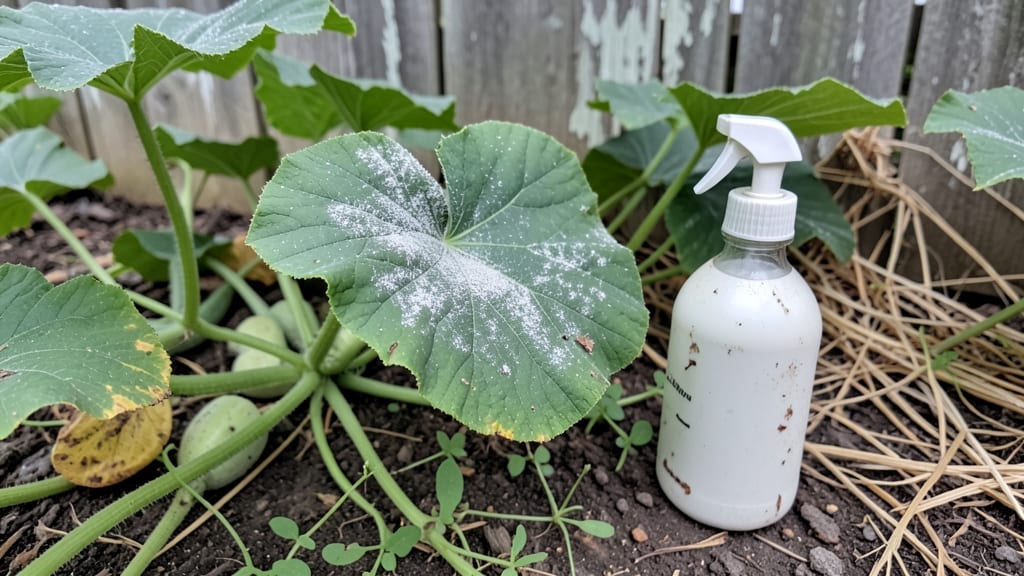
The first time I scrambled for a plant mildew treatment, it was over my prize-winning roses—those white, powdery patches turned their leaves into sad, yellowing ghosts. The good news? You can stop mildew without harsh chemicals, and I’ll show you exactly how, using what’s already in your garden shed.
Mildew thrives when plants get too little airflow or too much moisture, especially on roses, cucumbers, and grapes. The moment you spot those fuzzy spots, act fast—neem oil, baking soda spray, and pruning for better airflow work better than store-bought fungicides.
I’ve saved dozens of plants this way, and you can too.
Within days of treating, new growth emerges clean and strong, and the plants bounce back with vibrant green leaves. The key is consistency—check undersides of leaves weekly, water at the base, and space plants properly. Your garden will stay lush and mildew-free all season.
Works for container plants, raised beds, or in-ground gardens—no matter your setup. Let’s get those plants back to their best before mildew takes over for good.
The Hidden Triggers of Plant Mildew
Mildew isn’t just a random nuisance—it’s a fungal party crashers that thrives when conditions align just right. Understanding why it strikes is half the battle in stopping it before it spreads.
Below, we break down the root causes of mildew, from environmental red flags to plant weaknesses, so you can prevent (not just treat) this pesky problem.
Mildew loves wetness, and plants are its favorite playground. This fungus (Erysiphe or Podosphaera species for powdery mildew; Peronospora for downy mildew) needs free water to germinate and spread. Here’s how moisture becomes a mildew magnet:
- Poor Air Circulation: Dense foliage or crowded plants trap humidity, creating a sauna-like environment. Think of it like a greenhouse effect—the more stagnant the air, the faster mildew spores multiply. Actionable fix: Space plants 12–18 inches apart and prune to improve airflow.
- Overwatering or Wet Leaves: Watering from above (especially late in the day) leaves droplets on leaves, giving mildew a 24-hour buffet. Even morning dew can be enough if humidity stays high. Actionable fix: Water at the base of the plant and avoid overhead sprinkling.
- High Humidity (60%+): Mildew thrives in humid climates or indoor spaces with poor ventilation (like bathrooms or kitchens). Actionable fix: Use a dehumidifier or fan to keep levels below 60%. For outdoor plants, water early in the day so leaves dry by sunset.
💡 Pro Tip: If you notice mildew only on the undersides of leaves, it’s likely downy mildew, which needs constant moisture to survive. Powdery mildew, on the other hand, can tolerate drier conditions but still needs humidity to spread.
Mildew isn’t a fan of extreme heat or cold, but it loves the in-between—warm days (60–80°F) with cool nights (50–60°F). This temperature swing slows plant growth, weakening defenses while giving mildew the perfect slow-cooker environment.
- Spring and Fall Transitions: These seasons are peak mildew time because plants are stressed from temperature changes, and spores linger from winter. Actionable fix: Monitor plants during transitions and apply preventative sprays (like neem oil) if humidity rises.
- Greenhouse or Indoor Heat: Central heating or greenhouse warmth can dry out soil while keeping air humid—ideal for mildew. Actionable fix: Use a thermometer/hygrometer to track conditions and adjust ventilation.
- Nighttime Dew: Cool nights cause condensation, leaving leaves damp overnight. Actionable fix: Choose mildew-resistant varieties (like zinnia or rosemary) or use row covers to protect plants.
⚠️ Warning: If your plants are suddenly getting mildew in summer heat, check for overhead irrigation or shade cloth that’s trapping moisture.
A healthy plant is like a security system—it repels invaders before they take hold. But when plants are stressed, their natural fungicides (like phytonutrients) weaken, making mildew an easy target.
- Nutrient Deficiencies: Lack of phosphorus or potassium makes plants susceptible to mildew. Actionable fix: Test soil and amend with compost or a balanced fertilizer (like 10-10-10).
- Pests or Disease Damage: Bugs like aphids or spider mites create open wounds where mildew can infect. Actionable fix: Treat pests first with insecticidal soap or horticultural oil.
- Overcrowding or Poor Spacing: Plants competing for light and nutrients grow weak and slow, leaving them vulnerable. Actionable fix: Thin out plants and ensure they get 6+ hours of sunlight daily.
- Transplant Shock: Recently moved or shocked plants have compromised roots, making them easy mildew snacks. Actionable fix: Harden off plants gradually and avoid fertilizing for 2–4 weeks post-transplant.
🌿 Plant Hack: Companion planting can help! For example, marigolds (with their pyrethrin compounds) naturally repel mildew-causing fungi.
Mildew doesn’t just appear—it hitches a ride on wind, tools, or even your clothes. Spores are everywhere, but they only cause trouble when conditions are right.
- Wind or Rain Spread: Spores travel miles on gusts or raindrops, landing on susceptible plants. Actionable fix: After storms, inspect plants and treat preventatively with baking soda spray (1 tbsp baking soda + 1 quart water + a drop of soap).
- Contaminated Tools or Soil: Pruners, gloves, or potting mix can carry spores from infected plants to healthy ones. Actionable fix: Sterilize tools with rubbing alcohol and avoid reusing soil from mildew-stricken plants.
- Previous Infestations: Spores can linger in soil or debris for years. Actionable fix: Remove all infected plant material and rotate crops if gardening in the same spot.
🔍 Spot the Pattern: If mildew keeps returning in the same spot every year, your soil or irrigation system might be the hidden culprit.
Quick Fixes for Fungal Foes
Mildew may feel like a stubborn houseguest, but with the right approach, you can evict it for good—without harsh chemicals. Below, we’ve mapped the most common causes of mildew to practical, plant-friendly solutions.
Whether it’s damp leaves, poor airflow, or overcrowded pots, these fixes will help your plants bounce back and stay healthy.
When water droplets linger on foliage, mildew thrives. The fix? Adjust your watering habits to keep leaves dry.
- ✅ Switch to the bottom-watering method – Place pots in a tray of water for 10–15 minutes, letting roots soak up moisture without wetting leaves.
- 💦 Water at the base only – Use a watering can with a narrow spout or a hose attachment to direct water straight to the soil.
- 🌞 Water in the morning – This gives leaves time to dry before evening humidity sets in.
- 🌡️ Prevent future outbreaks – Avoid watering late in the day, especially in humid climates. If you must water overhead, use a rain shield (a small board or umbrella) to block droplets.
Mildew loves still, moist air—think of it as the plant world’s version of a swamp. Boost airflow to starve it out.
- 🌬️ Space plants properly – Give each plant at least 6–12 inches of space between leaves to improve airflow. Prune overgrown branches to open up the canopy.
- 🔥 Use a small fan – A gentle breeze (like a USB-powered fan) can work wonders for houseplants. Aim it near the plant for 1–2 hours daily.
- 🌳 Prune strategically – Trim dense foliage or remove dead leaves that trap moisture. Think of it as decluttering your plant’s "home."
- 💡 Pro tip: If growing in containers, choose pots with drainage holes and elevate them slightly to encourage airflow at the base.
Humidity above 70% turns your garden into a mildew incubator. Balance moisture levels to keep spores at bay.
- 🌡️ Monitor humidity levels – Use a hygrometer to keep humidity between 40–60% for most plants. For tropical plants, aim for 50–70% but ensure airflow is strong.
- 💨 Dehumidify naturally – Open windows on dry days, use a dehumidifier, or place a fan near humid areas (like bathrooms or kitchens).
- 🌿 Adjust watering frequency – Let the top inch of soil dry out between waterings. Use your finger to test moisture—if it’s damp, wait a day.
- 🌞 Increase sunlight – More light = less humidity buildup. Move plants to sunnier spots (but avoid scorching leaves).
Cramped roots and leaves create the perfect mildew playground. Give your plants room to breathe.
- 🪴 Repot if necessary – If roots are circling or leaves are touching neighbors, upgrade to a slightly larger pot with fresh, well-draining soil.
- 🌿 Thin out dense foliage – Snip back overgrown stems to improve airflow. For veggies like tomatoes, prune suckers to reduce leaf density.
- 🌍 Choose the right container – Terracotta pots dry out faster than plastic, reducing moisture retention. If using plastic, add extra perlite to the soil mix.
- 💡 Pro tip: For container gardens, avoid stacking pots too closely—leave at least 2 inches of space between them.
A hungry plant is an easy target for mildew. Boost its defenses with the right care.
- 🍃 Feed with balanced fertilizer – Use a mild, organic fertilizer (like fish emulsion or compost tea) to strengthen plants. Avoid over-fertilizing, which can burn roots.
- 🌱 Add compost or worm castings – These improve soil structure and provide slow-release nutrients, helping plants stay resilient.
- 💧 Check pH levels – Mildew loves acidic soils (pH below 6.0). Test your soil and amend with lime if needed to reach a pH of 6.0–7.0.
- 🌿 Prevent future issues – Rotate crops annually to prevent nutrient depletion and reduce mildew buildup in the soil.
Once mildew takes hold, act fast to remove it without harming your plants.
- 🧼 Make a baking soda spray – Mix 1 teaspoon of baking soda, 1 tablespoon of vegetable oil, and a drop of dish soap in 1 quart of water. Spray on leaves (undersides too!) every 7–10 days.
- 🌿 Wipe leaves with neem oil – Dilute 1 teaspoon of neem oil in 1 quart of water, add a drop of soap, and spray on affected areas. Reapply every 5–7 days for 2–3 weeks.
- ✂️ Prune infected areas – Use sterilized scissors to trim severely mildewed leaves. Dispose of them in the trash (not compost) to prevent spreading.
- 💡 Pro tip: For stubborn mildew on fruits or veggies (like strawberries or cucumbers), isolate the plant and treat it separately to avoid cross-contamination.
With these targeted fixes, your plants will dry out, strengthen, and recover faster. The key is consistency—tweak one habit at a time, and soon, mildew will be a distant memory. 🌱✨
Frequently asked questions
What’s the fastest way to treat mildew on houseplants?
For quick results, mix 1 teaspoon baking soda, 1 tablespoon vegetable oil, and a drop of dish soap in 1 quart of water. Spray this solution on both sides of leaves every 7 days until the mildew clears. Reapply neem oil spray (1 teaspoon per quart) every 5-7 days for stubborn cases. Always spray in the morning so leaves dry quickly.
Can I use vinegar to kill mildew on plants?
White vinegar (1 part vinegar to 4 parts water) works as a mild fungicide, but it’s best for non-edible plants since the acidity can harm some varieties. Spray on affected areas, focusing on undersides of leaves. For edible plants, use baking soda spray instead—it’s gentler and just as effective. Test vinegar on a small leaf first to check for sensitivity.
Why does mildew keep coming back even after treatment?
Mildew often returns if the underlying conditions persist—like poor airflow, overwatering, or high humidity. After treating, space plants 12-18 inches apart, water at the base in the morning, and use a fan for 1-2 hours daily to keep leaves dry. Remove all infected plant debris and sterilize tools with rubbing alcohol to prevent reinfection.
Is it safe to compost mildew-infected plant material?
No, never compost mildew-infected leaves or stems. The spores can survive and reinfect new plants. Instead, seal infected material in a plastic bag and throw it in the trash. For severely affected plants, dispose of the entire plant to prevent spore spread. Always wash your hands after handling infected plants.
How do I prevent mildew on vegetables like cucumbers and squash?
Use row covers to protect plants from spores, and water at the base using a drip irrigation system to avoid wetting leaves. Space plants 2-3 feet apart for better airflow, and prune lower leaves that touch the soil. Apply a preventive spray of neem oil or baking soda solution every 2 weeks during humid seasons.