
Pests
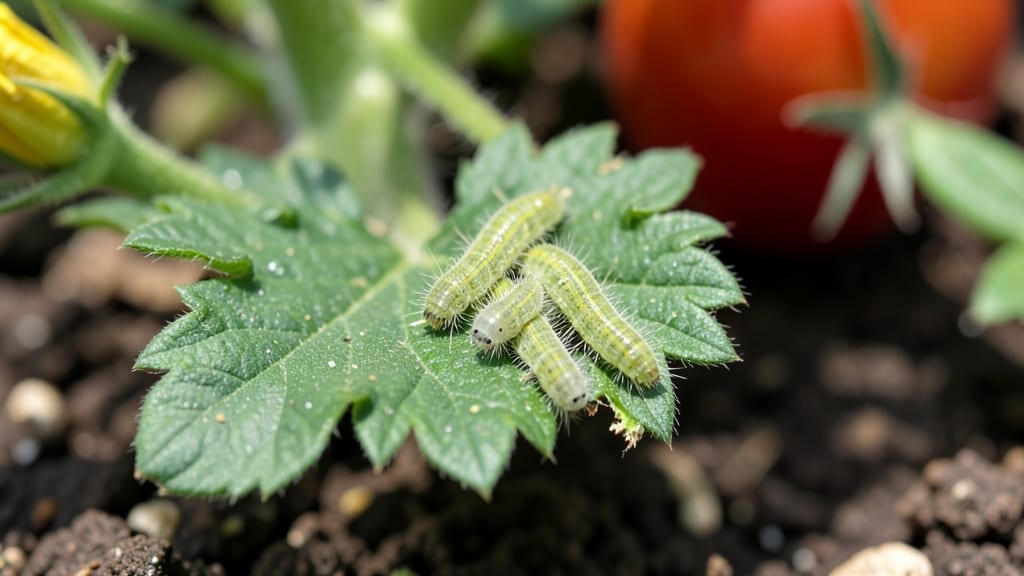
Tomato plant caterpillars can turn your lush vines into skeleton leaves overnight—unless you act fast. 🌱 I’ve lost entire harvests to these striped bandits, but I’ve also learned the quickest ways to stop them before they strip your plants bare.
The key is catching them early and using methods that work without harsh chemicals.
Most of these caterpillars are hornworms or loopers, and they’re sneaky—often hiding on the undersides of leaves or blending into foliage. You’ll notice ragged holes, droppings, and suddenly defoliated plants.
The good news? Handpicking them in the morning (when they’re sluggish) or using Bacillus thuringiensis (BT) spray can stop them in their tracks within 24-48 hours.
Prevention is even faster: row covers, companion plants like basil or marigolds, and regular inspections keep populations low. Once you spot one caterpillar, there are usually more nearby—so act before your tomatoes become a buffet. Let’s get those plants back to thriving.
This works for both backyard gardens and container-grown tomatoes, and it’s safe for pollinators once the plants are covered. No more helplessly watching your harvest disappear—just fast, effective action.
Root Causes Of Caterpillar Invasions
Tomato plants are a caterpillar’s all-you-can-eat buffet, but why do these leaf-munching pests suddenly show up with such enthusiasm? The answer lies in a mix of natural behaviors, environmental cues, and plant vulnerabilities. Understanding these triggers helps you predict—and prevent—future infestations before they strip your garden bare.
Caterpillars, especially Manduca sexta (tomato hornworms) and Spodoptera exigua (beet armyworms), are drawn to tomato plants because they’re packed with nutrients. Young leaves and tender shoots contain high levels of soluble proteins and sugars, which caterpillars crave for rapid growth.
Studies show that tomato plants in the Solanaceae family produce volatile organic compounds (VOCs) that act like a dinner bell, signaling pests from up to 30 feet away.
💡 Pro Tip: If your tomatoes are thriving—lush, green, and producing actively—caterpillars will take notice. Over-fertilizing with nitrogen can make plants even more attractive, so balance your soil nutrients to deter pests.
Most tomato-munching caterpillars thrive in warm temperatures (70–90°F). Eggs hatch faster in heat, and larvae grow exponentially when days are long and sunny. For example:
| Temperature Range | Caterpillar Activity Level | Egg Hatch Time |
|---|---|---|
| 50–60°F | Low (slow development) | 10–14 days |
| 70–80°F | High (rapid growth) | 3–5 days |
| 90°F+ | Peak (but may seek shade) | 2–3 days |
🌡️ Watch for: Sudden spikes in temperature after cool spells—this is when egg-laying moths become most active. If your region has unpredictable spring warmth, caterpillars may arrive earlier than expected.
Female moths (like the Heliothis zea, or corn earworm) use a combination of smell and sight to locate tomato plants. They’re attracted to:
- Damaged leaves: When caterpillars or other pests chew foliage, the plant releases green leaf volatiles (GLVs), which moths detect as a "safe zone" to lay eggs.
- Flowering tomatoes: The scent of tomato blossoms mimics pheromone-like signals that trick moths into thinking it’s a prime egg-laying spot.
- Nearby host plants: If your garden has basil, eggplant, or peppers (all in the Solanaceae family), moths will treat your tomatoes as a bonus buffet.
✨ Science Note: Some moths even "learn" which plants are most nutritious. If your tomatoes survived a caterpillar attack last year, moths may return to the same location—like a bad restaurant review.
Healthy tomato plants produce glycoalkaloids (natural toxins like tomatine) to deter pests. But when plants are stressed—due to:
- Drought or overwatering
- Poor soil drainage
- Nutrient deficiencies (especially potassium)
- Competition from weeds
…their defenses weaken, making them easier targets. Caterpillars can detect these stress signals through changes in leaf chemistry, homing in on the most vulnerable plants.
🔥 Quick Fix: Mulch around tomato bases to retain moisture and reduce stress. A 2–3 inch layer of straw or grass clippings also deters egg-laying moths by making it harder for them to land.
By addressing these root causes—nutrient balance, temperature control, scent management, and plant health—you can break the caterpillar cycle before it starts. Next up: How to Outsmart Them.
Natural Ways To Stop Caterpillars
Caterpillars can turn your thriving tomato plants into a buffet of destruction in no time! 🍅🐛 But don’t worry—there are plenty of effective, organic solutions to keep these chewers at bay.
Below, we’ve mapped out targeted fixes based on the most common causes of caterpillar infestations, along with preventive tips to protect your garden long-term.
If you spot caterpillars early, manual removal is the simplest and most immediate solution.
- 👨🍳 When to do it: Best in the early morning when caterpillars are sluggish (they’re easier to spot and remove).
- 🔪 How to do it:
- Wear gloves (some caterpillars, like hornworms, can be hairy or irritating).
- Drop them into soapy water (a bucket with a few drops of dish soap) to kill them instantly.
- Check under leaves, stems, and fruit—these are favorite hiding spots.
- ⏰ Frequency: Do this 2-3 times a week during peak infestation periods (spring to early summer).
💡 Pro Tip: If you’re squeamish, use tongs or a small net to scoop them up without direct contact.
For a longer-lasting, chemical-free solution, Bacillus thuringiensis (Bt) is a top-tier organic pesticide that targets caterpillars specifically.
- 📊 How it works: Bt contains natural bacteria that caterpillars ingest, causing their stomachs to shut down.
It’s harmless to humans, pets, and beneficial insects like bees. - 🍳 How to apply: - Mix Bt powder or liquid with water according to package instructions. - Spray evenly on leaves (focus on the top and undersides, where caterpillars hide). - Reapply every 7-10 days or after heavy rain. - ✨ Best for: Hornworms, loopers, and cutworms—common tomato plant caterpillars.
💡 Pro Tip: Apply Bt in the evening to avoid harming pollinators that are active during the day.
Neem oil isn’t just for fungi—it’s also repellent and toxic to many caterpillar species.
- 🎯 How it works: Disrupts caterpillars’ feeding and growth hormones, making leaves less appealing and eventually killing them.
- 👨🍳 How to make a spray:
- Mix 1 tbsp neem oil + 1 tsp mild soap (as an emulsifier) + 1 quart of water.
- Add a few drops of food-grade mineral oil to help it stick to leaves.
- Shake well and spray directly on caterpillars and leaves.
- ⏰ Frequency: Apply every 5-7 days or after rain.
⚠️ Warning: Avoid spraying in direct sunlight (can burn leaves) or when bees are active.
Instead of fighting caterpillars alone, enlist the help of their natural predators!
- 🐝 Best allies:
- Parasitic wasps (like Cotesia glomeratus) lay eggs inside caterpillars, killing them from within.
- Ladybugs, lacewings, and birds also feast on caterpillar eggs and young larvae.
- 💡 How to attract them:
- Plant companion flowers like dill, fennel, and marigolds to draw in beneficial insects.
- Avoid broad-spectrum pesticides (they kill helpful bugs too).
- Install a birdhouse or bat box to encourage natural pest control.
For prevention, block access before caterpillars even arrive.
- 🍅 Row covers: Use fine mesh fabric (like floating row covers) over young plants to physically block moths (caterpillar parents).
- 🌿 Collars for stems: Wrap cardboard or aluminum foil collars around stems to stop cutworms from chewing at the base.
- 🥬 Trap cropping: Plant a sacrificial crop (like basil or borage) near tomatoes to distract moths away from your main plants.
The best defense? Prevent infestations in the first place!
- 🌱 Plant smart: Choose resistant tomato varieties (like ‘Mountain Merit’ or ‘Defiant PhR’).
- 🌿 Rotate crops: Avoid planting tomatoes in the same spot yearly to disrupt caterpillar life cycles.
- 🌙 Garden hygiene: Remove debris and fallen leaves (where caterpillars pupate).
- 🕒 Early intervention: Inspect plants weekly—catching caterpillars early makes removal easier.
Final Thought: 🌟 Combine methods for the best results—hand-pick + Bt + neem oil + beneficial insects creates a multi-layered defense that keeps your tomato plants safe without harsh chemicals. Happy gardening! 🍅✨
Frequently asked questions
What are the most common types of caterpillars that attack tomato plants?
You’ll most likely encounter tomato hornworms (large green with white stripes) or beet armyworms (small, brown/black with white stripes). Both are voracious eaters that can defoliate plants in days. Look for ragged holes in leaves and dark droppings as key signs.
How do I know if my tomato plants have caterpillars before I see them?
Watch for chewed leaves with jagged edges, black frass (droppings) on foliage, and missing flower buds. Check the undersides of leaves and near stems—these are their favorite hiding spots. Early detection means faster action!
Is it safe to use chemical pesticides on tomato plants?
Only as a last resort! Most chemical pesticides harm beneficial insects like bees and ladybugs. Organic options like Bacillus thuringiensis (Bt) or neem oil are safer and just as effective. Always check labels for harvest intervals if you must use chemicals.
Can I save my tomato harvest if caterpillars have already damaged the plants?
Yes! Remove the caterpillars immediately and focus on protecting new growth. If leaves are heavily damaged but fruit is still intact, the plant can recover. Prune affected areas to improve airflow and reduce stress. For severe cases, use row covers to shield remaining fruit.
What’s the best time of day to handpick caterpillars?
Early morning is ideal! Caterpillars are sluggish after the night and easier to spot. Use gloves or tongs to avoid contact with irritating hairs (like on hornworms), then drop them into soapy water. Repeat 2-3 times weekly during peak season.