
Pests
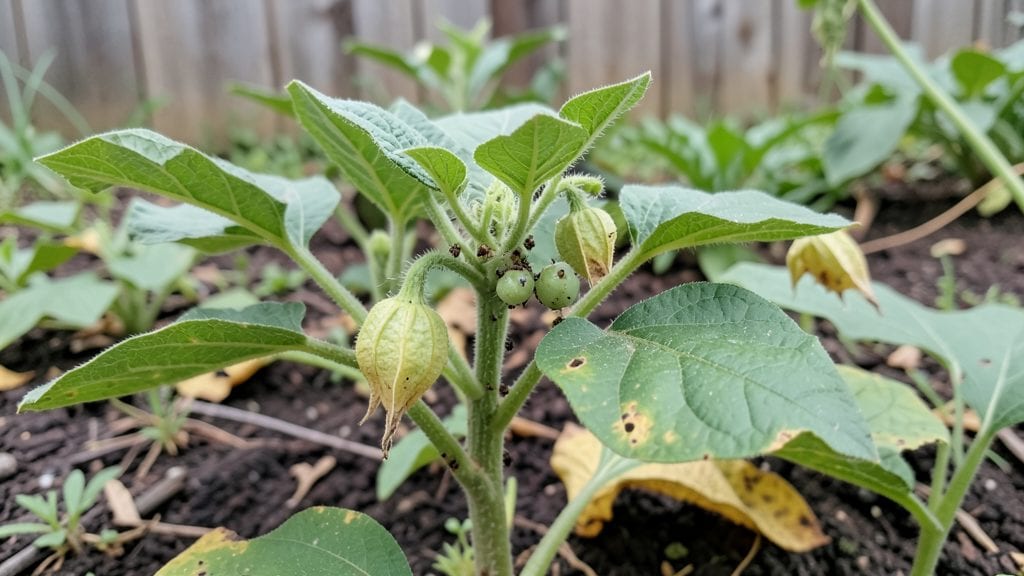
Tomatillo plant pests like aphids and whiteflies can turn your harvest from plentiful to pitiful if you don’t act fast. 🌱 I’ve watched my tomatillos go from lush green clusters to sticky, deformed messes—until I learned these organic tricks that keep my plants thriving without harsh chemicals.
The worst offenders—aphids, whiteflies, and fungal spots—love the same thing your tomatillos do: tender new growth and warm, humid conditions. But with a few key adjustments, you can outsmart them.
Start with neem oil sprays for soft-bodied pests and copper fungicide for early signs of blight, applied at the first hint of trouble.
By midseason, your plants will look shockingly lush and produce more fruit than you can use. The secret isn’t just spraying—it’s consistent monitoring, proper spacing for airflow, and removing infected leaves before they spread. Trust me, your next harvest will be the healthiest yet.
Works for backyard gardens, containers, or even balcony setups—just adjust the spray schedule for your climate. Let’s get those tomatillos protected before the pests strike again.
Root Causes Behind Tomatillo Pests
Tomatillo plants, with their delicate green husks and vibrant salsa potential, can quickly become a pest magnet if conditions align just right. Understanding why these tiny troublemakers target your plants is the first step to reclaiming your garden. Let’s break down the science—and the sneaky strategies—behind the most common invaders.
Pests thrive where hosts are vulnerable. Tomatillos, like many plants, suffer when they’re stressed—whether from poor spacing, nutrient deficiencies, or disease. Here’s how it plays out:
- Competition for resources: Overcrowded plants compete for sunlight, water, and nutrients, weakening their natural defenses. Example: Aphids and whiteflies love stressed foliage because it’s easier to pierce and suck sap from.
- Poor air circulation: Dense plantings trap moisture, creating the perfect humid microclimate for fungal diseases (like powdery mildew) and soft-bodied pests like Thrips tabaci.
- Nutrient imbalances: A lack of potassium or phosphorus makes tomatillos more susceptible to borers and mites. Pro tip: A soil test can reveal deficiencies before pests arrive!
💡 Actionable fix: Space plants 18–24 inches apart and prune lower leaves to improve airflow. Side-dress with compost or a balanced organic fertilizer (like 5-5-5) to bolster resilience.
Tomatillos love warmth, but extreme heat or excess moisture can turn your garden into a pest paradise. Here’s how:
| Condition | Pest Magnet | Why It Happens |
|---|---|---|
| Hot, dry soil | Flea beetles, spider mites | Drought stress triggers plants to release volatile organic compounds (VOCs), which attract pests seeking water-rich tissues. |
| Overhead watering | Slugs, snails, fungal gnats | Wet foliage creates a slippery highway for pests and promotes fungal growth, which pests like gnats feed on. |
| Poor drainage | Root-knot nematodes, wireworms | Waterlogged soil drowns beneficial microbes and weakens roots, making them easy targets for soil-dwelling pests. |
🌡️ Actionable fix:
- Water at the base (not overhead) in the early morning to reduce humidity.
- Mulch with straw or wood chips to retain moisture without creating soggy conditions.
- Choose heat-tolerant varieties (like ‘Purple Streak’) if your climate runs hot.
Tomatillos aren’t just tasty to humans—they’re a nutrient-rich smorgasbord for insects and critters. Here’s what makes them so appealing:
- Sap-rich leaves: Aphids and whiteflies are drawn to the phloem sap, which is packed with sugars and amino acids—like a fast-food meal for pests.
- Soft fruit husks: Young, tender tomatillos are easy pickings for fruit flies and hornworms, which chew through the husk to reach the pulp.
- Nightshade family chemistry: Tomatillos (like tomatoes) produce alkaloids, which some pests (like Colorado potato beetles) have evolved to detest—but others (like stink bugs) find irresistible.
✨ Actionable fix:
- Use row covers early in the season to block flying pests before they lay eggs.
- Interplant with repellent companions like basil (deters whiteflies) or marigolds (confuses nematodes).
- Harvest early (when husks are firm) to avoid overripe fruit attracting flies.
Some pests aren’t visible until it’s too late—they’re hiding in the soil, patiently waiting for the right moment to strike. Common culprits include:
- Nematodes: Microscopic root-knot nematodes inject bacteria into roots, causing galls that stunt growth. They thrive in compacted or sandy soil.
- Wireworms: The larvae of click beetles, these orange-brown grubs chew through roots and seedlings. They’re most active in dry, warm soil.
- Fungal pathogens: Diseases like Phytophthora (water mold) create entry points for pests by rotting roots, making plants easy targets for secondary invaders.
🔥 Actionable fix:
- Solarize soil in late summer (cover with clear plastic for 4–6 weeks) to kill nematodes and fungal spores.
- Plant cover crops like mustard or buckwheat to starve out soil pests before tomatillos go in.
- Rotate crops annually—never plant nightshades (tomatoes, peppers, eggplants) in the same spot.
Fixing Tomatillo Plant Pests Naturally
Pests can turn your thriving tomatillo plants into a battleground, but with the right organic strategies, you can reclaim your garden without harsh chemicals. Below are targeted solutions for common tomatillo pests, paired with prevention tips to keep your plants strong and productive.
Cause: These sap-sucking pests cluster on new growth, leaves, and flowers, weakening plants and spreading viruses.
How to Fix It: 🔥 Blast Them Off – Use a strong stream of water from your hose to dislodge aphids from leaves and stems. Repeat every 2–3 days until they’re gone. 🍳 Homemade Soap Spray – Mix 1 tbsp mild liquid soap (like Castile soap) with 1 quart water and spray directly on infested areas. Test on a small leaf first! 👨🍳 Introduce Beneficial Insects – Ladybugs and lacewings love aphids. Release them in the early morning or late evening when they’re most active. 🥘 Neem Oil Treatment – Spray a neem oil solution (1 tbsp neem oil + 1 tsp mild soap + 1 quart water) to suffocate aphids and deter future infestations.
Prevention Tips: ✅ Encourage diversity – Plant marigolds, basil, or dill nearby to attract predatory insects. ✅ Prune regularly – Remove heavily infested growth to starve the pests. ✅ Sticky traps – Place yellow sticky traps near plants to catch flying aphids.
Cause: These large green caterpillars munch through leaves and fruit overnight, leaving behind ragged edges and half-eaten tomatillos.
How to Fix It: 🔪 Handpick & Drop – Wear gloves and pluck hornworms off plants, then drown them in soapy water (they’re harmless to handle but gross!). 🌡️ Bacillus Thuringiensis (Bt) – Spritz plants with Bt spray, a natural bacteria that kills caterpillars without harming beneficial insects. 🎯 Parasitic Wasps – These tiny wasps lay eggs inside hornworms, killing them naturally. Let them do the work—no intervention needed!
Prevention Tips: ✨ Plant companion herbs – Basil, thyme, and oregano repel hornworms. ✨ Row covers – Use floating row covers early in the season to block egg-laying moths. ✨ Inspect daily – Check undersides of leaves at dusk when hornworms are most active.
Cause: These tiny white flies cluster on leaf undersides, sucking sap and leaving a sticky residue (honeydew) that attracts mold.
How to Fix It: 🍳 Yellow Sticky Traps – Hang yellow cards coated in petroleum jelly near plants to trap adults. 🔥 Neem Oil or Insecticidal Soap – Spray neem oil or insecticidal soap directly on leaf undersides where they hide. 👨🍳 Encourage Predators – Parasitic wasps and lacewings feed on whiteflies. Plant dill, fennel, or parsley to attract them.
Prevention Tips: ✅ Keep plants healthy – Stressed plants attract more pests—water consistently and fertilize properly. ✅ Remove weedy areas – Whiteflies thrive in weeds and debris, so keep your garden tidy. ✅ Copper tape – Wrap copper tape around plant stems to deter flying adults.
Cause: These green or brown caterpillars hide in soil during the day and sever stems at night, toppling young plants.
How to Fix It: 🔪 Collar Barriers – Wrap the base of young plants with cardboard or aluminum foil collars (bury 1–2 inches deep) to block cutworms. 🌡️ Beauveria Bassiana – A fungal spray that infects and kills cutworms naturally. 🎯 Handpick at night – Use a flashlight after dark to spot and remove them by hand.
Prevention Tips: ✨ Mulch strategically – Use straw or grass clippings (not thick layers) to discourage hiding spots. ✨ Plant trap crops – Grow lettuce or radishes nearby to lure cutworms away from tomatillos. ✨ Encourage birds – Chickens and ducks love cutworms—let them forage in your garden!
Cause: Pests like aphids and whiteflies leave honeydew, which fosters sooty mold—a black, crusty fungus that blocks sunlight.
How to Fix It: 💡 Clean Up Honeydew – Wipe leaves with a damp cloth to remove residue before mold sets in. 🌡️ Baking Soda Spray – Mix 1 tsp baking soda + 1 quart water + a few drops of soap and spray to prevent fungal growth. 🔥 Improve airflow – Prune crowded plants and space them properly to reduce humidity.
Prevention Tips: ✅ Monitor pests early – Weekly inspections prevent honeydew buildup. ✅ Avoid overhead watering – Water at the base to keep foliage dry. ✅ Copper fungicide – Use organic copper sprays as a last resort if mold spreads.
Final Pro Tip: 🌱 Rotate your pest-control methods to prevent pests from building resistance. A healthy garden ecosystem—with diverse plants, beneficial insects, and good hygiene—is your best defense!
Frequently asked questions
What are the most common pests that attack tomatillo plants?
The worst offenders are usually aphids, whiteflies, hornworms, and cutworms. These pests target young leaves, flowers, and fruit husks, causing stunted growth or deformities. Early detection is key—check undersides of leaves and stems regularly.
How do I tell if my tomatillos have fungal issues instead of pests?
Fungal problems like powdery mildew appear as white or gray fuzzy patches on leaves, while pests leave holes, sticky residue (honeydew), or chewed edges. Tap leaves over a white surface—pests will fall off, but fungal spores won’t. Also, fungi thrive in humid conditions, while pests often worsen under stress.
Can neem oil harm beneficial insects like bees or ladybugs?
Neem oil is safest when applied at dusk or dawn, avoiding times when bees are active. It’s non-toxic to ladybugs and lacewings if used correctly—just avoid overspraying flowers. For extra protection, focus treatments on leaf undersides where pests hide, and always mix with a mild soap to improve adhesion.
What’s the best way to prevent pests before they start?
Start with proper spacing (18–24 inches apart) for airflow, and use row covers early in the season. Interplant with basil or marigolds to repel pests naturally, and keep your garden weed-free—weeds harbor pests. Mulch with straw to deter soil-dwelling insects while retaining moisture.
Are there any chemical-free ways to get rid of hornworms?
Yes! Handpicking is the fastest method—drop them in soapy water. For organic control, use Bacillus thuringiensis (Bt) spray, which targets caterpillars without harming other insects. Introduce parasitic wasps (like Cotesia congregata)—they naturally hunt hornworms and won’t bother your plants.