Diseases
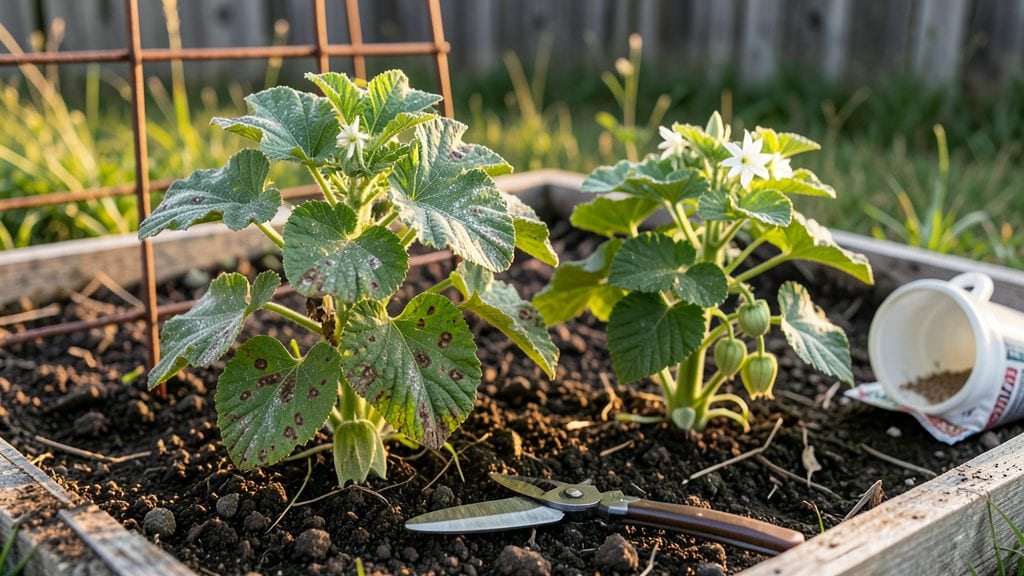
Tomatillo plant diseases can turn your harvest from tangy perfection to sad, spotted messes—but I’ve saved mine every season with a few key tricks. 🌱 The moment you spot yellowing leaves or powdery white dust on stems, you’re in the fight of your life.
Most gardeners panic and reach for harsh chemicals, but the real secret lies in prevention: spacing plants right, rotating crops, and knowing when to pull the plug on a hopeless plant.
Bacterial spot and powdery mildew are the top villains, creeping in when humidity hangs too long or water pools on leaves. I lost a batch of tomatillos last year to mildew because I ignored the early signs—tiny white specks that looked like flour dust.
The fix? Copper spray for bacterial spot and neem oil for mildew, applied before symptoms even show up. Even better, healthy plants start with proper airflow between stems.
You’ll recognize a thriving tomatillo by its glossy green husks and sturdy stems—no wilting, no spots, just lush growth ready for harvest. The payoff? Bursting flavors in salsas, sauces, and salads that store-bought can’t match. With these steps, your plants won’t just survive—they’ll outshine the neighbors’ every summer.
For stubborn cases, don’t hesitate to call in a local extension service—they’ve seen it all and can diagnose what’s really wrong. Prevention beats cure, but knowing when to escalate keeps your garden (and your sanity) intact. Let’s get those plants protected before trouble starts.
Root Causes Behind Tomatillo Ailments
Tomatillo plants, like all green thumbs’ prized crops, are vulnerable to diseases—but understanding why these issues arise is half the battle. Below, we break down the science behind the most common stressors and pathogens that attack your tomatillos, so you can take targeted action before they strike.
Tomatillos thrive in spacious, well-aerated soil, but when plants are too close together, their leaves and stems create a humid microclimate—perfect for fungal spores to latch on. Overcrowding also weakens the plant’s immune response by competing for nutrients and water.
- Why it happens: Dense foliage traps moisture, raising humidity levels above 80%, which fungal pathogens like Phytophthora and Alternaria exploit to infect stems and leaves.
- Actionable fix: Space tomatillo plants 18–24 inches apart and prune lower leaves to improve airflow. If growing in containers, ensure pots are at least 12 inches in diameter.
Tomatillos hate soggy feet. While they need consistent moisture, poor drainage or overwatering creates anaerobic conditions in the soil, inviting root rot (caused by Pythium or Phytophthora) and foliar diseases like early blight.
- Why it happens:
- Waterlogged soil cuts off oxygen to roots, stressing the plant and weakening its defenses.
- Fungal spores thrive in stagnant water, spreading via splashing or wind.
- Actionable fix:
- Amend soil with compost or perlite to improve drainage.
- Water at the base of the plant (not overhead) and avoid irrigation in the evening to allow foliage to dry.
A tomatillo plant starved of key nutrients—like potassium, calcium, or nitrogen—becomes an easy target for pests and diseases. For example, a calcium deficiency leads to blossom-end rot, while low nitrogen stunts growth, making plants more susceptible to viral infections.
| Nutrient Deficiency | Resulting Weakness | Disease Risk |
|---|---|---|
| Calcium (Ca) | Cell wall breakdown, poor fruit development | Blossom-end rot, bacterial soft rot |
| Potassium (K) | Weakened vascular system, poor disease resistance | Fungal leaf spots, powdery mildew |
| Nitrogen (N) | Stunted growth, thin cell walls | Viral infections (e.g., tomato mosaic virus) |
Actionable fix: Conduct a soil test every 2–3 years and supplement with:
- Compost or worm castings for organic nutrients.
- Epsom salt (magnesium sulfate) for calcium and magnesium.
- Balanced fertilizer (e.g., 5-5-5) at planting and mid-season.
Insects like aphids, whiteflies, and tomato hornworms don’t just munch on leaves—they inject viruses (e.g., tomato mosaic virus) or create wounds that let bacteria and fungi slip in. Even spider mites, though tiny, stress plants by sapping sap, leaving them vulnerable to secondary infections.
- Why it happens:
- Pests transmit pathogens while feeding (e.g., aphids spread cucumber mosaic virus).
- Mechanical damage from chewing insects disrupts the plant’s protective cuticle, inviting fungal entry.
- Actionable fix:
- Use row covers early in the season to block pests.
- Introduce beneficial insects (e.g., ladybugs, lacewings) or spray neem oil weekly as a preventive.
- Handpick hornworms and remove infested leaves immediately.
Tomatillos are tropical at heart but struggle when conditions swing from extreme heat (>95°F) to cold snaps (<50°F). Heat stress weakens cell membranes, while sudden temperature drops shock the plant, making it more susceptible to bacterial and fungal infections.
- Why it happens:
- High humidity + heat = ideal conditions for Alternaria and Septoria leaf spots.
- Cold temperatures slow nutrient uptake, leaving plants starved and defenseless.
- Actionable fix:
- Provide shade cloth (30–50%) during peak summer heat.
- Use mulch (straw or grass clippings) to regulate soil temperature.
- Avoid planting until soil temps reach 60°F+ and protect seedlings with cloches if frost is forecasted.
Practical fixes for sick tomatillo plants
When your tomatillo plants show signs of distress, quick action can mean the difference between a thriving harvest and lost crops. Below are targeted solutions for the most common diseases, along with preventative steps to keep your plants strong.
Think of these as your emergency toolkit—each remedy is designed to be simple, effective, and garden-friendly.
🔥 Cause: Alternaria solani fungus thrives in warm, humid conditions, creating those classic concentric brown spots on leaves.
🍳 Fix It:
- Prune & Toss: Remove infected leaves (don’t compost them—toss in the trash). Use sterilized pruners (wipe with rubbing alcohol between cuts) to avoid spreading spores.
- Fungicide Spray: Mix 1 tbsp baking soda + 1 tsp dish soap + 1 gallon water in a spray bottle. Apply every 7–10 days at dawn (when humidity is high) for best results.
- Improve Airflow: Space plants 18–24 inches apart and avoid overhead watering. Use tomato cages or stakes to keep foliage upright.
- Soil Boost: Add compost or well-rotted manure to strengthen roots—healthy plants fight disease better!
💡 Prevention Pro Tip: Rotate crops yearly—never plant nightshades (tomatoes, peppers, potatoes) in the same spot for at least 3 years. Early blight loves repeat offenders!
🔪 Cause: Phytophthora infestans, the same fungus that ruined the Irish potato famine. It causes greasy-looking, dark lesions that spread rapidly in cool, wet weather.
👨🍳 Emergency Treatment:
- Isolate Infected Plants: If late blight strikes, remove and destroy the plant (bag it and trash it—do not compost). This disease spreads via spores in the air and water.
- Copper Fungicide: Use copper-based sprays (like Bordeaux mixture or copper sulfate) every 5–7 days once symptoms appear. Follow label instructions—copper can burn plants if overused.
- Drainage Fix: Ensure containers have drainage holes and raised beds aren’t waterlogged. Late blight loves soggy soil!
- Sanitize Tools: Clean gardening tools, pots, and hands with 10% bleach solution (1 part bleach to 9 parts water) before and after use.
✨ Prevention Power Move: Plant resistant varieties like ‘Purple Tomatillo’ or ‘Green Mexican’—they’re less susceptible. Also, avoid working in the garden when leaves are wet (morning dew or rain) to prevent spore splash.
🌡️ Cause: Erysiphe cichoracearum thrives in shady, humid spots, coating leaves in a white, powdery film that weakens plants.
🥘 Natural Remedies:
- Neem Oil Spray: Mix 1 tbsp neem oil + 1 tsp mild soap + 1 quart water. Spray both sides of leaves at dusk (avoid direct sun—it can burn foliage). Repeat every 7–10 days.
- Baking Soda Blast: The same baking soda solution used for early blight works here too! Add a few drops of vegetable oil to help it stick.
- Hydrogen Peroxide Soak: For severe cases, spray a 3% hydrogen peroxide solution (1 part peroxide to 3 parts water) to kill spores on contact.
- Boost Light & Air: Move plants to sunnier spots and thin crowded foliage to improve airflow.
🎯 Prevention Tip: Mulch with straw (not plastic) to keep soil moist but not soggy. Powdery mildew hates consistent moisture—water at the base (not overhead) and early in the day so leaves dry fast.
🚨 Cause: Xanthomonas bacteria create water-soaked, yellow-brown spots with raised centers. Once infected, there’s no cure—only containment.
🔪 Containment Plan:
- Remove & Burn: Pull and destroy infected plants immediately. Do not compost them—spores can survive.
- Copper Spray (Preventative): Spray copper fungicide before symptoms appear if your area is prone to bacterial spot.
- Sanitize Everything: Clean tools, gloves, and hands with bleach water between plants. Wash your shoes if you’ve been in an infected garden!
- Avoid Overhead Watering: Use drip irrigation or soaker hoses to keep foliage dry.
💡 Prevention Must-Do: Rotate crops annually and plant in well-draining soil. Bacterial spot loves wet, crowded conditions—keep your garden tidy and spaced out.
No matter the issue, these universal tips will keep your tomatillos healthier long-term:
- 🌱 Start Strong: Use sterilized soil (bake potting mix at 200°F for 30 mins to kill pathogens) and disease-resistant seeds if possible. - 💦 Water Wisely: Morning watering (before 10 AM) gives leaves time to dry. Never water leaves—aim for the soil. - 🧹 Clean Up: Fall cleanup is critical! Remove all plant debris, rotate crops, and solarize soil (cover with clear plastic in summer to kill pathogens). - 🍄 Companion Planting: Interplant with marigolds, basil, or onions—they repel pests and improve airflow. - 📊 Monitor Regularly: Check undersides of leaves (where spores hide) weekly.
Early detection = easier fixes!
Final Thought: Tomatillo diseases are manageable—most just need quick action and smart prevention. Stay vigilant, and your plants will reward you with juicy, tangy harvests all season long! 🌿🍅
Frequently asked questions about tomatillo plant diseases
What are the most common diseases affecting tomatillo plants?
Tomatillos frequently battle powdery mildew, early blight, and bacterial spot. Powdery mildew appears as white dust on leaves, while early blight creates concentric brown spots. Bacterial spot shows as water-soaked yellow-brown marks with raised edges. These diseases thrive in humid conditions or poor airflow.
Can I save a tomatillo plant already showing disease symptoms?
It depends on the disease! For fungal infections like powdery mildew, prune infected leaves and apply neem oil or baking soda spray. With bacterial spot, removal is often required since there's no cure—contain the spread immediately. Early intervention gives your plant the best chance, but severe cases may need total removal to protect nearby plants.
How do I prevent diseases in my tomatillo plants before they appear?
Start with proper spacing (18-24 inches apart) to improve airflow, and water at the base (never overhead) to keep foliage dry. Use drip irrigation and mulch with straw. Apply copper fungicide preventatively if your area has history of diseases, and rotate crops yearly to break disease cycles. Healthy soil with compost also strengthens plant defenses.
Are there organic solutions for treating tomatillo diseases?
For powdery mildew, mix 1 tbsp baking soda + 1 tsp dish soap + 1 gallon water and spray weekly. Neem oil works against fungal diseases like early blight (1 tbsp neem oil + 1 tsp soap per quart of water). For bacterial issues, hydrogen peroxide (3%) diluted 1:3 with water can help disinfect leaves. Always test sprays on a small area first.
When should I remove a diseased tomatillo plant completely?
Remove plants immediately if you see bacterial spot (no cure exists) or late blight (aggressive spreader). For fungal diseases, only remove if more than 50% of leaves are infected or the plant appears hopeless. Always bag and trash infected plants—never compost—to prevent spore survival. Check nearby plants daily for new symptoms after removal.