Pests
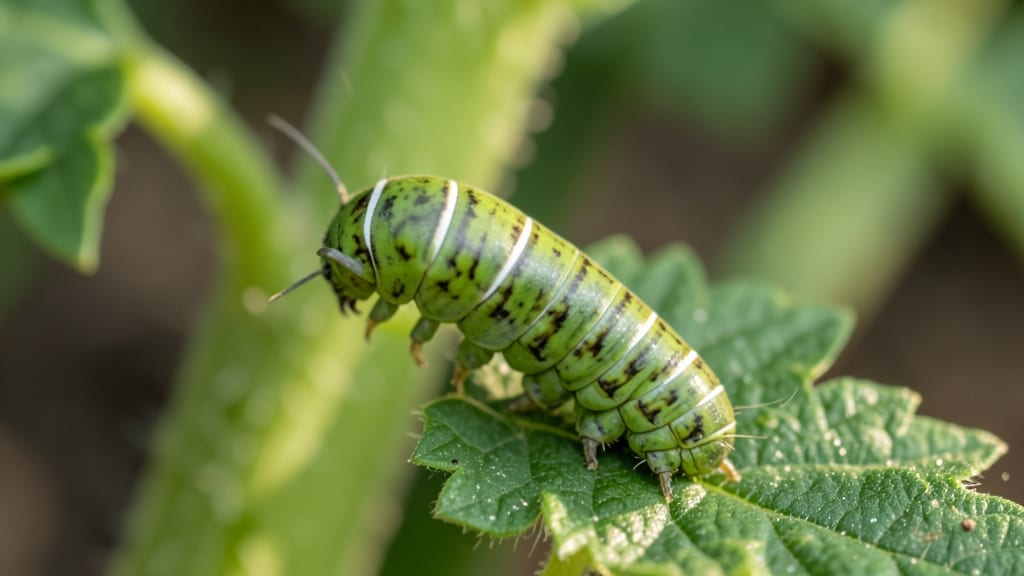
Tomato plant grubs are the sneaky culprits behind those telltale holes in leaves and collapsed stems—yet I’ve found the organic fixes that actually work. 🌱 These underground chewers, whether wireworms or cutworms, can turn a thriving vine into a sad, half-eaten shadow in days.
The good news? You don’t need harsh chemicals to fight back.
Most gardeners panic when they spot jagged leaf edges or wilting plants, but the real battle starts in the soil. Healthy soil packed with organic matter and beneficial nematodes makes grubs think twice about moving in.
I’ve seen firsthand how a simple mix of compost and row covers keeps plants standing strong—no chemicals required. The key is acting fast before the damage spreads.
By combining early morning inspections, strategic companion planting (like basil or marigolds), and a sprinkle of diatomaceous earth around stems, you’ll watch your tomatoes rebound. Within weeks, your plants will bounce back with vibrant green leaves and sturdy stems, ready to produce the harvest you planted for.
This approach works for backyard gardens, raised beds, or even container-grown tomatoes—no matter your setup. Let’s get those vines back to their full, healthy glory without a single chemical in sight.
Hidden Invaders Targeting Your Tomatoes
Your lush tomato plants may look thriving on the surface, but beneath the soil—or even within the stems—tiny, voracious grubs are silently wreaking havoc. These larvae, often the offspring of beetles or flies, don’t just nibble; they devour roots, stems, and fruit, leaving your plants stunted, wilted, or dead.
Understanding why these pests strike is the first step to stopping them. Below, we break down the real reasons your tomato plants are becoming a buffet for grubs—and how their life cycles make them so hard to catch.
Grubs thrive in soil that feels like a five-star hotel to them: moist, nutrient-rich, and undisturbed. Overwatering or heavy organic matter (like fresh compost) creates the perfect breeding ground. Here’s why:
- Excess moisture: Grubs, especially those from Japanese beetle or June beetle larvae, need damp soil to survive. Waterlogged conditions prevent natural predators (like birds or beneficial nematodes) from hunting them, giving grubs free rein. Pro tip: 💡 Avoid overwatering—aim for 1–1.5 inches of water per week, and improve drainage with sand or gravel.
- Rich, undisturbed soil: Grubs prefer soil packed with decomposing organic matter, which attracts their parent beetles. If you’ve recently amended your garden with fresh manure or compost, you’ve essentially rolled out the welcome mat. Pro tip: ✨ Let compost age for 6+ months before using it in tomato beds to reduce attractants.
- Compacted or clay-heavy soil: Grubs burrow deeper in dense soil, making them harder to spot and treat. Compacted layers also trap moisture, extending their lifespan. Pro tip: 🔥 Loosen soil in early spring with a broadfork or add coarse sand to improve aeration.
Grubs don’t just appear out of nowhere—they’re the larval stage of beetles that actively seek out your tomato patch. These adults are drawn to your garden for specific reasons:
- Flowering weeds and crops: Beetles like colorado potato beetles and Mexican bean beetles lay eggs near plants in the nightshade family (tomatoes, peppers, eggplants). If your garden has dandelions, mustard greens, or volunteer potatoes, you’re signaling to beetles: “Dine here!” Pro tip: 🎯 Remove weeds within 10 feet of tomato plants to break the beetle’s radar.
- Warm, sunny microclimates: Beetles are cold-blooded and target south-facing or sheltered garden beds where soil warms quickly. If your tomatoes are basking in full sun, you’re creating a grub magnet. Pro tip: 🌡️ Use row covers or shade cloth in early summer to deter adult beetles from landing.
- Previous year’s damage: Beetles return to gardens where they’ve found success. If grubs munched your tomatoes last season, the parents will remember the address and lay more eggs this year. Pro tip: 🔥 Rotate planting locations yearly and till soil in fall to expose overwintering grubs to predators.
Healthy tomato plants are less appealing to grubs because they’re tougher to digest and lack the chemical cues that invite beetles. But when your plants are stressed, they send out distress signals that pests can’t resist:
- Nitrogen deficiency: Grubs are drawn to plants with high nitrogen levels because it makes them softer and easier to eat. Over-fertilizing with blood meal or fresh manure creates a grub buffet. Pro tip: 📊 Use a balanced fertilizer (10-10-10) and avoid high-nitrogen amendments near planting time.
- Drought or overwatering stress: Plants that are wilting or waterlogged release volatile organic compounds (VOCs) that attract beetles. These chemicals are like a pest dinner bell. Pro tip: 💧 Maintain consistent moisture—neither soggy nor bone-dry—to keep your plants resilient.
- Young or weak seedlings: Grubs target newly transplanted seedlings because their roots are tender and easy to colonize. If your starts are leggy or root-bound, they’re prime targets. Pro tip: 🌱 Harden off seedlings gradually and plant deeply (up to the first true leaves) to encourage strong root growth.
Grubs don’t have a free pass in every garden—they’re food for birds, toads, parasitic wasps, and beneficial nematodes. But if your ecosystem is out of balance, these predators stay away:
- Pesticide use: Chemical insecticides (even broad-spectrum ones) kill natural predators faster than grubs, leaving your plants defenseless. Pro tip: 🚫 Skip synthetic sprays—opt for neem oil or insecticidal soap only when absolutely necessary.
- Monoculture planting: Gardens with only tomatoes offer no habitat diversity for predators like ground beetles or lacewings. Pro tip: ✨ Plant companion flowers (marigolds, alyssum) and herbs (basil, dill) to attract beneficial insects.
- Urban or suburban landscapes: Lawns treated with herbicides or lack of garden edges (like grassy fields) reduce predator populations. Pro tip: 🏡 Create wildlife-friendly zones with mulch piles, leaf litter, or a small pond to support toads and birds.
Now that you know why grubs are crashing your tomato party, the next step is action. Stay tuned for organic defense strategies to evict these uninvited guests—without harming your plants or the planet. 🚜🌱
Beat Back Garden Invaders Naturally
Tomato plants are a gardener’s pride—until tiny grubs start munching on roots, stems, and leaves. 🐛 The good news? You don’t need harsh chemicals to win this battle. Below are targeted, organic solutions mapped to common causes, plus prevention tips to keep your tomatoes thriving.
---
Problem: Chewed stems at soil level or gnawed roots? These pests hide underground by day and strike at night.
Fix It: 1. 🔪 Handpick & Destroy - Wait until dusk when grubs are active. Gently lift plants and remove visible larvae (they’re plump, cream-colored, or brown). - Drop them in soapy water (1 tbsp dish soap per gallon) to kill them instantly.
2. 🌱 Collar Barriers - Wrap the base of young plants with cardboard collars (bury 1–2 inches deep) or copper tape to deter cutworms from climbing.
3. 🍳 Diatomaceous Earth (DE) Dust - Sprinkle food-grade DE around the base of plants (avoid overwatering after application). - Pro Tip: Reapply after rain—DE works by dehydrating pests, but it’s not waterproof! ✨
4. 🌿 Beneficial Nematodes - Soak roots in heterorhabditis bacteriophora nematode solution (available at garden centers) to paralyze and kill grubs in the soil.
---
Problem: Jagged holes in leaves or black, sticky frass (poop) on fruit? These pests are aggressive feeders.
Fix It: 1. 👨🍳 Manual Removal - Hunt for green hornworms (5-inch caterpillars with white stripes) or tiny flea beetles (jumping black bugs). - Drop them in soapy water or crush them (wear gloves—some gardeners find hornworms delicious as a snack! 😋).
2. 🕷️ Encourage Predators - Ladybugs, lacewings, and parasitic wasps love flea beetles. Plant dill, fennel, or marigolds nearby to attract them. - Praying mantises devour hornworms—leave egg cases (brown foam-like sacs) in your garden.
3. 🥘 Neem Oil Spray - Mix 1 tsp neem oil + 1 tsp mild soap + 1 quart water. Spray early morning or evening to avoid harming bees. - Warning: Reapply every 5–7 days—it breaks down in sunlight. ☀️
4. 🎯 Row Covers - Use floating row covers (lightweight fabric) over young plants to block flea beetles. Remove when flowers appear to allow pollination.
---
Problem: Wilting plants, mushy stems, or yellowing leaves despite watering? Grubs may be feasting on roots.
Fix It: 1. 💡 Flood the Soil - For white grubs, flood the affected area with 1–2 inches of water for 24–48 hours. The grubs will surface—then remove them by hand.
2. 🌿 Compost Tea or Molasses Spray - Brew compost tea (steep compost in water for 3 days) or spray 1 tbsp molasses per gallon of water on soil. This attracts beneficial microbes that outcompete pests.
3. 🔥 Solarization (For Severe Cases) - In hot climates, cover moist soil with clear plastic for 4–6 weeks to bake out grubs. Works best in summer heat.
4. 🎯 Crop Rotation & Trap Plants - Avoid planting tomatoes, potatoes, or peppers in the same spot yearly—grubs love these crops. - Plant radishes or mustard greens nearby as trap crops to lure grubs away from tomatoes.
---
- 🌱 Healthy Soil = Strong Plants - Amend soil with compost and worm castings—healthy roots resist pests better. - 🌿 Interplant with Repellents - Basil, thyme, or garlic around tomatoes can deter grubs naturally. - 🕯️ Early Monitoring - Check plants weekly for eggs (small white clusters on undersides of leaves) or frass. - 🚫 Clean Up Debris - Remove old plant debris in fall—grubs overwinter in mulch and soil.
--- Remember: Consistency is key! Combine manual removal with preventive measures for the best results. Your tomatoes will be grub-free and thriving in no time. 🍅✨
Frequently asked questions
What do tomato plant grubs look like, and how can I tell if my plants are infested?
Grubs are plump, cream-colored to brown larvae with soft, segmented bodies. Look for chewed stems at soil level, wilted plants despite watering, or holes in leaves. Check the soil around roots—if you see small, worm-like creatures, those are likely grubs. They’re most active at dusk, so inspect plants then.
Are there natural predators that can help control grubs in my garden?
Birds, toads, ground beetles, and parasitic nematodes all eat grubs. To attract them, add mulch piles, wildflower borders, or small ponds to your garden. Avoid pesticides—they kill these helpful predators faster than grubs. Planting marigolds or dill also draws in beneficial insects.
Can I use diatomaceous earth on tomato plants without harming them?
Yes, but only food-grade diatomaceous earth (DE). Sprinkle a thin layer around plant bases and avoid overwatering afterward—DE works by dehydrating pests, but rain washes it away. Reapply every few days or after rain. Keep it away from leaves to prevent harming beneficial insects.
How do I prevent grubs from returning next season?
Start with crop rotation—avoid planting tomatoes, peppers, or potatoes in the same spot yearly. Improve soil drainage, remove old plant debris in fall, and use compost tea to strengthen plants. Plant trap crops like radishes nearby to lure grubs away from tomatoes.
Will neem oil kill grubs already in the soil?
Neem oil works best on surface pests like cutworms or flea beetles, not deep soil grubs. For underground grubs, use beneficial nematodes or flood the soil to force them to the surface. Combine neem oil sprays with other methods for comprehensive control.