
Pests and Diseases
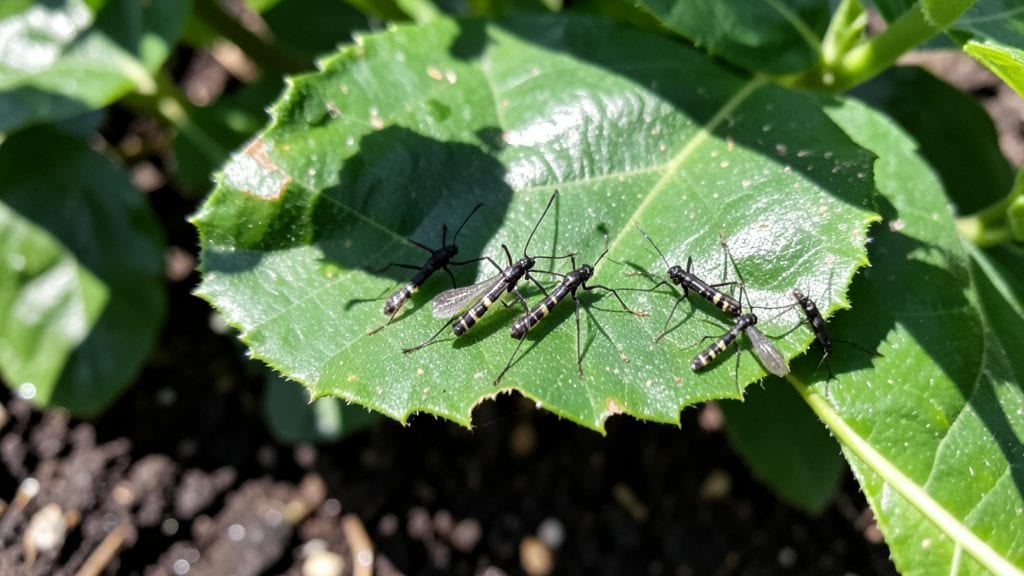
Thrips on hibiscus plants turn vibrant blooms into a battle zone. 🌿 I’ve watched these tiny pests strip leaves of chlorophyll, leaving behind a ghostly stippling that ruins the plant’s showstopping potential. The good news? You can stop them before they take over—without harsh chemicals.
Most gardeners miss the early signs—tiny black specks on buds or curled leaves—but catching thrips early makes control simple. A mix of neem oil, insecticidal soap, and sticky traps does the job in 3 steps, and hibiscus bounce back faster than you’d expect.
The key is acting before they spread to new growth.
By next week, your hibiscus will be back to its lush, blooming self—free of silvery webbing and with fresh, crisp foliage. The secret is consistency: treat every 7-10 days during warm weather, and you’ll break their life cycle for good. Let’s get those plants thriving again.
Works for both backyard hibiscus and container plants—just adjust the spray volume. Once you’ve mastered this, you’ll spot thrips before they become a problem. Here’s how to do it right the first time.
Hidden Triggers Behind Hibiscus Thrips
Thrips don’t just randomly invade your hibiscus—they’re drawn by a mix of environmental, plant-related, and even human factors. Understanding these causes is the first step to stopping them before they turn your blooms into a buffet. Here’s why these tiny pests target your hibiscus and how they exploit its weaknesses:
Thrips thrive when hibiscus plants are stressed or compromised, as weakened defenses make them easier prey. Here’s how it happens:
- Nutrient Deficiencies 🌱 - Hibiscus plants low in phosphorus or potassium produce softer, more tender leaves—perfect for thrips to pierce and feed on.
These nutrients are critical for cell wall strength and sap viscosity, which thrips struggle to penetrate when optimal. - Sign: Yellowing leaves (chlorosis) or stunted growth before thrips even arrive.
- Overwatering or Poor Drainage 💦
- Soggy soil creates the ideal breeding ground for thrips, as excess moisture attracts fungal diseases and weakens roots. Thrips also prefer wilting but not dead tissue, which signals stress.
- Red flag: Root rot or mushrooms growing near the base of your hibiscus.
- Physical Damage from Wind or Hail 🌪️
- Broken leaves or stems expose the plant’s vascular system, making it easier for thrips to insert their mouthparts. Even minor abrasions can create entry points for pests.
Thrips are opportunists, and certain weather or garden conditions create the perfect storm for an infestation:
- Dry, Hot Weather 🔥 - Thrips love arid conditions because they dehydrate other pests (like ladybugs or lacewings) while making hibiscus leaves more susceptible to their feeding.
Heat also speeds up their reproduction cycle—females can lay 50+ eggs in a week under ideal temps (75–85°F). - Pro tip: Mulch around your hibiscus to retain moisture and deter thrips.
- Lack of Natural Predators 🐞
- Thrips face heavy predation from lacewings, minute pirate bugs, and predatory mites in balanced ecosystems. If your garden lacks diversity (e.g., no ground covers, monoculture plantings), thrips have free rein.
- Solution: Plant dill, fennel, or marigolds nearby to attract beneficial insects.
- Overcrowded Plantings 🌿🌿
- Hibiscus grown too closely together create humid microclimates with poor airflow. Thrips spread rapidly via wind or touching foliage, turning one infested plant into a cluster of hosts.
- Fix: Space hibiscus 3–5 feet apart for airflow and sunlight penetration.
Sometimes, well-meaning gardeners accidentally introduce thrips. Here’s how:
- Bringing Infested Plants or Soil 🛒 - Thrips can hitchhike on new hibiscus cuttings, potting mix, or even tools from nurseries or other gardens.
Inspect plants before purchase—look for silver streaks on leaves or tiny black specks (feces). - Prevention: Quarantine new plants for 2 weeks before introducing them to your garden.
- Using Synthetic Fertilizers Heavily 🧪
- Over-fertilizing (especially with high nitrogen) promotes lush but weak growth, which thrips adore. Organic fertilizers release nutrients slowly, strengthening the plant’s resilience.
- Swap: Use compost tea or fish emulsion for a balanced boost.
- Ignoring Weeds or Debris 🌾
- Thrips overwinter in dead leaves, mulch piles, or weeds like purslane or chickweed. If these act as reservoirs, your hibiscus will keep getting reinfested.
- Action: Clear debris monthly and remove weeds within 10 feet of your hibiscus.
Key Takeaway: Thrips exploit weakness, opportunity, and neglect. By addressing these root causes—whether through better plant care, smarter garden practices, or habitat management—you’ll make your hibiscus far less appealing to them. The next step? Proactive control (coming up next!).
Quick Fixes for Thrips Infestations
Thrips might feel like tiny, unstoppable villains, but with the right moves, you can reclaim your hibiscus plants—fast. Below, we’ve mapped the most common causes of thrips outbreaks to practical, organic solutions.
Whether you’re dealing with a sudden attack or just want to prevent future invasions, these steps will help you stop the damage in its tracks and keep your hibiscus thriving.
If you spot silver streaks on leaves, sticky residue on windowsills, or tiny black specks (thrips poop!), act now. Thrips multiply quickly, so the sooner you intervene, the easier it is to control them.
- 🌿 Prune Infested Foliage - Cut off heavily damaged leaves (especially curled or discolored ones) and dispose of them in a sealed bag—not the compost!
Thrips can survive in compost piles. - Pro Tip: 💡 Use sterilized pruning shears (wipe with rubbing alcohol) to avoid spreading pests to healthy plants.
- 🚰 Wash Off Visible Thrips - Spray plants with a strong stream of water (from a hose or showerhead) to knock thrips off leaves.
Do this early in the morning so the foliage dries quickly. - For stubborn infestations, mix 1 gallon of water + 1 tbsp dish soap (like Dawn) in a spray bottle and blot (don’t spray directly) the leaves with a cloth. Soap coats their bodies, suffocating them.
Once you’ve removed the worst of the infestation, reinforce with organic sprays to break the thrips life cycle. These are safe for hibiscus (and pollinators, if applied correctly).
👨🍳 Homemade Neem Oil Spray (Best for Prevention & Treatment)
Neem oil disrupts thrips’ feeding and reproduction.
Here’s how to make it: - 1 tsp neem oil - 1 tsp mild liquid soap (as an emulsifier) - 1 quart (32 oz) water - Optional: 1 tsp horticultural oil for extra stickiness
How to Use: ✅ Mix in a spray bottle and shake well. ✅ Spray undersides of leaves (thrips love hiding there!) and stems evenly in the early morning or late evening (avoid direct sunlight—it can burn leaves). ✅ Reapply every 5–7 days for 2–3 weeks, even if you don’t see thrips anymore (they lay eggs that hatch later).
⚠️ Warning: Always test a small leaf first—some hibiscus varieties are sensitive to neem.
🥘 Diatomaceous Earth (DE) Barrier (For Severe Infestations)
Food-grade diatomaceous earth is a natural powder that dries out thrips on contact. It’s non-toxic but must be reapplied after rain or watering.
How to Apply: 🔪 Wear a mask (it’s dusty!) and lightly dust the soil around the base of the plant and under leaves. ⏰ Best time: Early morning when thrips are active and dew is present (helps DE stick). 🌡️ Reapply every 3–5 days or after watering.
💡 Pro Tip: Mix DE with kaolin clay (like Surround WP) for extra protection—it also repels thrips and reflects sunlight to deter them.
🌿 Beneficial Insects: Nature’s Pest Control
Introduce thrips’ natural predators to your garden for long-term prevention:
- 🐞 Ladybugs & Their Larvae – Devour thrips like a buffet.
- 🕷️ Spiders & Predatory Mites – Hunt thrips on contact.
- 🦋 Green Lacewings – Their larvae eat hundreds of thrips each!
How to Attract Them: ✨ Plant companion flowers like marigolds, dill, or cosmos near hibiscus. ✨ Avoid pesticides (even organic ones can harm beneficial bugs). ✨ Buy them online (check local suppliers for ladybug or lacewing eggs).
An ounce of prevention is worth a pound of cure! Follow these simple habits to minimize future thrips attacks:
| Prevention Tip | How to Do It |
|---|---|
| 🌱 Keep Plants Healthy | Water deeply but less often (thrips love stressed plants). Fertilize regularly with balanced organic fertilizer. |
| 🌿 Remove Debris | Clean up fallen leaves, spent blooms, and weeds—thrips hide in them. |
| 🛡️ Use Yellow Sticky Traps | Place yellow cards coated with petroleum jelly near hibiscus to catch adult thrips. Check traps weekly. |
| 🌞 Provide Good Airflow | Space plants properly (thrips thrive in humid, stagnant air). |
| 🌿 Quarantine New Plants | Inspect new hibiscus additions for thrips before bringing them home. |
| 🍃 Mulch Strategically | Use straw or wood chips (not fresh grass clippings) to reduce soil-borne pests. |
Final Thought: Thrips may be sneaky, but with quick action + organic defenses, you can outsmart them and keep your hibiscus blooming beautifully. Start with pruning and washing, then reinforce with sprays and beneficial insects, and prevent future outbreaks with smart garden habits.
Your hibiscus will thank you! 🌺✨
Frequently asked questions
How do I know if my hibiscus has thrips and not just environmental stress?
Look for silver streaks or stippling on leaves (their feeding marks), tiny black specks (feces), or curled new growth. Unlike environmental stress, thrips damage appears on both upper and lower leaf surfaces and often concentrates near buds. Check window sills for sticky residue too—thrips excrete honeydew.
Can I use neem oil if my hibiscus is flowering?
Yes, but apply neem oil early morning or late evening to avoid sunburn on petals. Test a small leaf first—some hibiscus varieties are sensitive. Avoid spraying directly on open blooms (it can cause browning). Use a 1 tsp neem oil + 1 tsp mild soap per quart of water and focus on foliage and stems.
Why do thrips keep coming back after I treat them?
Thrips have a short life cycle (2-3 weeks), so eggs hatch into new adults quickly. You must treat every 5-7 days for 3 weeks to break their cycle. Also check for hidden reservoirs—weeds, mulch piles, or nearby infested plants. Remove all debris and use yellow sticky traps to catch adults.
Are there chemical options if organic methods fail?
For severe cases, use horticultural oils or insecticidal soaps (like Safer's or Bonide). If needed, pyrethrin-based sprays (like PyGanic) work fast but kill beneficial insects too. Always follow label instructions and apply in the evening to protect pollinators. Save chemical sprays as a last resort.
How can I prevent thrips from spreading to other plants?
Isolate infested hibiscus immediately and sterilize tools between plants (wipe with rubbing alcohol). Use separate pruners and pots for affected plants. Place yellow sticky traps around the perimeter of your garden to catch flying adults. Quarantine new plants for 2 weeks before introducing them to your collection.