
Planting
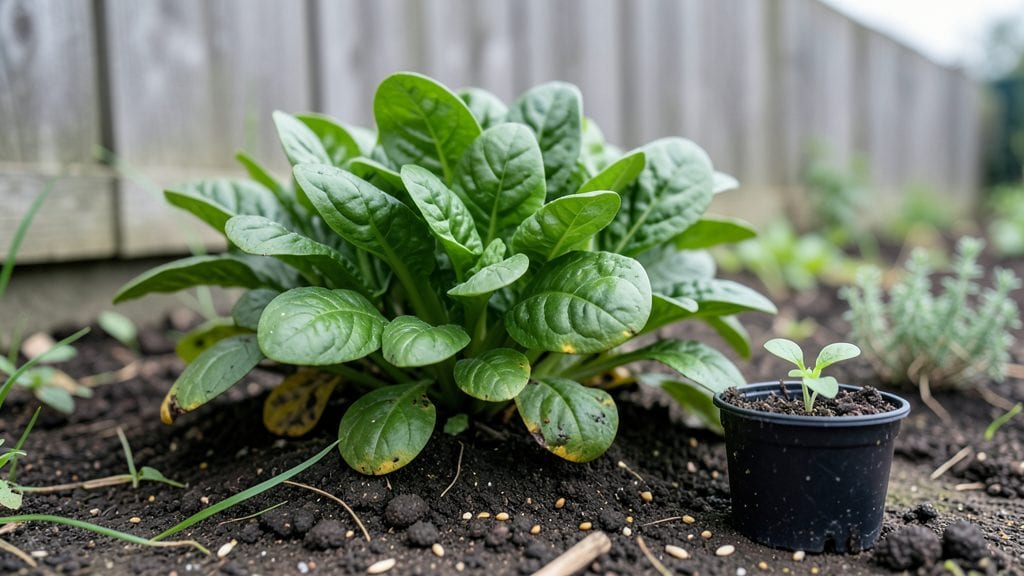
Here are some spinach planting tips to help you unlock that crisp, vibrant green harvest all year—it’s all about the seeds and timing.
I learned the hard way that spinach thrives when the soil stays cool, moist, and rich in organic matter, and those three secrets make all the difference between wilted disappointment and a garden full of baby leaves.
The key isn't complicated: it's about timing, soil prep, and a little patience that pays off in just 30 days.
Start with loose, well-draining soil mixed with compost—spinach hates compacted dirt. Sow seeds ½ inch deep in rows spaced 12 inches apart, keeping them moist but not soggy.
For cooler climates, plant in early spring or fall when temperatures hover between 45°F and 75°F; in warmer zones, opt for shade cloth or late summer sowing. The first true leaves appear in about 7 days, and you can begin harvesting when leaves reach 3-4 inches tall.
📚 In This Guide
- What you need
- Instructions
- Tips and common mistakes
- Wrapping up and next steps
What you need
- ● Spinach Seeds: Choose cold-hardy varieties like 'Baby’s Leaf Hybrid' or 'Tyee' (5–10g per planting, ~500–1,000 seeds). Opt for organic or heirloom seeds for best results.
- ● Well-Draining Soil: 5–10 bags (50 lbs each) of high-quality potting mix or garden soil with a pH of 6.5–7.0. Amend with compost or aged manure for fertility.
- ● Containers or Garden Bed: Containers: 5–10-gallon pots (with drainage holes) or raised beds (minimum 6" depth).
- ● Garden Bed: A 4'x8' plot (or larger) with loose, fertile soil.
- ● Watering Can or Hose: With a gentle spray nozzle for even moisture.
- ○ Row Cover or Mulch: Lightweight fabric (optional but recommended for young plants) or straw mulch (1–2 inches) to retain moisture.
- ● Garden Trowel or Transplanter: For sowing seeds (6–8" length).
- ● Gloves: A pair of durable gardening gloves to protect your hands.
- ○ Seedling Trays (Optional): 72-cell trays for starting seeds indoors (if not direct-sowing).
- ○ Soil Thermometer (Optional): To monitor soil temps (ideal for spinach: 40–85°F).
- ● Fertilizer: Balanced organic fertilizer (e.g., 10-10-10) or compost tea for occasional feeding.
- ● A sunny or partially shaded spot (4–6 hours of sunlight daily). Spinach tolerates light shade!
- ● Access to water (consistent moisture is key—spinach hates drying out).
- ● Patience! Spinach grows fast (30–50 days to harvest), but young plants need tender care.
Step-by-Step instructions for planting spinach like a pro
Here’s how to grow lush, bolt-resistant spinach using soil science that works year-round.
Prepare the Soil for Maximum Nutrient Retention
Spinach thrives in cool, moist soil with a pH between 6.5 and 7.0. Before planting, till the top 12 inches of soil to loosen compaction and improve drainage. I mix in 2-3 inches of compost to provide organic matter—this boosts water retention while preventing soggy roots. For heavy clay soil, add 1 part perlite to 3 parts soil to create air pockets.
Spinach is a heavy feeder, so I incorporate 1/4 cup of 10-10-10 fertilizer per 100 square feet into the top 6 inches. Work it in gently to avoid disturbing deeper roots. The goal is a fluffy, crumbly texture that holds moisture without becoming waterlogged. If your soil is sandy, add 1 inch of peat moss to help retain nutrients.
Choose the Right Planting Time and Method
Spinach bolts (goes to seed) quickly in heat, so I plant 4-6 weeks before the last frost in spring and again in late summer for a fall harvest. For year-round success, use shade cloth in hot climates to keep soil temps below 75°F. Sow seeds 1/2 inch deep and 1 inch apart in rows spaced 12 inches apart—this gives leaves room to expand without crowding.
I like to use a seed starter kit for small batches, pressing seeds lightly into the soil with my thumb. Cover with 1/4 inch of fine soil and mist gently with water. Avoid heavy watering, which can wash seeds too deep. If planting in containers, use 6-inch pots with drainage holes and fill with sterile potting mix—spinach hates soggy roots.
Maintain Ideal Moisture and Light Conditions
Keep the soil consistently moist but never waterlogged—spinach wilts faster than it recovers. Water 1 inch per week, more in extreme heat, and always at soil level to prevent fungal diseases. I use drip irrigation for large patches to avoid wetting leaves, which can cause mildew. Mulch with 1 inch of straw to retain moisture and suppress weeds.
Spinach needs 3-4 hours of direct sun daily but tolerates partial shade. In hot climates, provide afternoon shade to prevent bolting. You’ll know it’s thriving when leaves grow deep green and crisp, with 3-4 inches between harvests. If leaves turn yellow, it’s time to fertilize with liquid seaweed extract—spinach responds well to a mid-season nutrient boost.
Harvest and Encourage Continuous Growth
Start harvesting outer leaves when they reach 4-6 inches tall, leaving the inner leaves to keep growing. This method gives you 3-4 harvests per planting. I pick in the morning after dew dries—leaves are crispest then. Never pull entire plants; spinach regrows from the base if you leave 2-3 inches of stem attached.
For a second crop, succession plant every 2 weeks in spring and fall. In warm climates, use heat-tolerant varieties like 'Bloomsdale Long Standing' and plant in late summer for a winter harvest. If bolting starts (tall stems with yellow flowers), pull the plant immediately—bolted spinach becomes bitter and woody.
Tips & tricks for perfect spinach planting
These soil science-backed strategies will help you avoid common pitfalls and maximize your spinach harvest year-round.
Soil pH Precision: While the ideal pH range is 6.5-7.0, I recommend testing your soil before planting. Most home test kits are accurate enough, and adjusting pH with lime (to raise) or sulfur (to lower) can make a dramatic difference. Spinach shows early signs of stress when pH strays—leaves may develop yellowing between veins when soil is too alkaline, or stunted growth in acidic conditions. The 12 inches of tilling in Step 1 helps create an even pH environment throughout the root zone.
Compost Quality Matters: Not all compost is created equal for spinach. Look for well-aged compost that's dark brown with visible decomposition—it should smell earthy, not sour or ammonia-like. I sift mine through a 1/4-inch mesh screen to remove large chunks that can mat together. The 2-3 inches called for in Step 1 should be spread evenly and lightly mixed into the top 6 inches of soil to prevent compaction around roots. For organic gardeners, worm castings make an excellent top dressing that improves nutrient availability.
Timing is Everything: The 4-6 week window before last frost is critical, but don't guess—check your local frost date calendar. I plant my first batch when soil temperatures consistently stay below 75°F at 4 inches deep. Use a soil thermometer to monitor this, especially in spring when daytime temps may be warm but nights are still cool. For fall plantings, aim for seeds to germinate when daytime highs are below 70°F—this prevents the heat shock that triggers bolting.
Container Considerations: If growing in 6-inch pots as mentioned in Step 2, choose containers with at least 5 inches of depth—they need room for roots to establish. I use fabric grow bags with drainage holes because they prevent root circling and allow better air circulation. Remember to water containers more frequently than in-ground plantings since they dry out faster. The sterile potting mix requirement is non-negotiable—regular garden soil compacts in containers and can harbor disease pathogens that spinach is particularly susceptible to.
Pro Tips for Spinach Planting Tips
- These soil science-backed strategies will help you avoid common pitfalls and maximize your spinach harvest year-round.
- Soil pH Precision: While the ideal pH range is 6.5-7.0, I recommend testing your soil before planting.
- Compost Quality Matters: Not all compost is created equal for spinach.
Frequently asked questions
Got questions about growing spinach? You’re not alone! Here are some of the most common concerns—and practical answers—to help you cultivate a thriving spinach patch.
When is the best time to plant spinach?
Spinach thrives in cool weather, so aim to plant it 4–6 weeks before your last frost date in spring or 6–8 weeks before your first frost in fall. In mild climates, you can even grow it year-round with row covers. Avoid planting in scorching summer heat—it’ll bolt (go to seed) quickly!
Can I grow spinach in winter?
Spinach is a cold-hardy crop and can tolerate light frosts (down to 20°F/-7°C). Use row covers or cold frames to extend the season, and choose winter-hardy varieties like ‘Winter Bloomsdale’ or ‘Tyee’ for best results. Just ensure well-draining soil to prevent rot.
What pests should I watch for when growing spinach?
Spinach is vulnerable to aphids, slugs, and flea beetles. For aphids, spray with soapy water or introduce ladybugs. Slugs? Set out beer traps or diatomaceous earth. Flea beetles leave tiny holes—use row covers early on. Prevention is key: Keep your garden tidy and rotate crops!
How often should I water spinach?
Spinach needs consistent moisture—about 1–1.5 inches of water per week, including rainfall. Let the soil dry slightly between waterings to prevent disease, but avoid soggy roots. Drip irrigation works best to keep leaves dry and reduce fungal risks.
Can I grow spinach in containers?
Yes! Spinach grows well in 5–6 inch deep containers with good drainage. Use a lightweight potting mix and choose bush varieties like ‘Baby’s Leaf Hybrid’ for compact growth. Place containers in partial shade to prevent bolting, and fertilize lightly every 3–4 weeks.
Wrapping up and next steps
Growing spinach is a rewarding journey—packed with nutrient-rich rewards and fresh flavors! 🌱 By mastering the three key soil secrets (pH balance, organic matter, and drainage), you’ll set your plants up for lush, thriving harvests year-round.
Whether you’re a beginner or a seasoned gardener, these tips make success simple and satisfying.
Ready to dive in? Start small—plant a few seeds or seedlings this week, and watch your garden transform! For extra inspiration, explore our spinach care guide or share your progress with fellow gardeners. Happy planting! 🌿✨