
Diseases
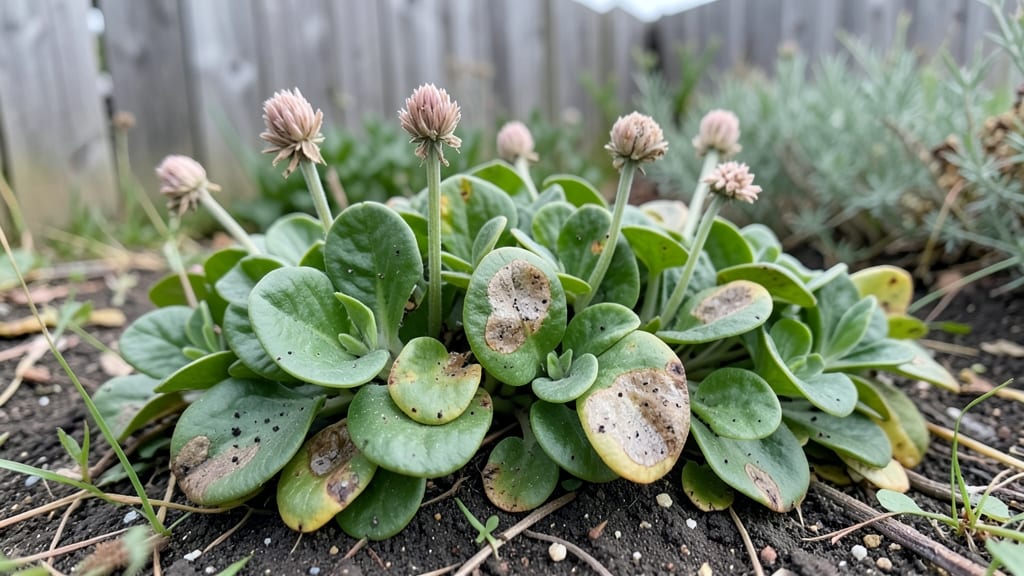
Sedum plant diseases like powdery mildew and leaf spot can turn your drought-resistant succulents into sad, spotted messes—unless you catch them early.
I’ve seen healthy sedum bushes go from vibrant green to sad and splotchy in just a few weeks, and the key to saving them is spotting the warning signs before they spread. That white powder on leaves? That’s powdery mildew saying hello. Those brown spots? Leaf spot’s calling.
The good news? These problems have simple, organic fixes that work every time.
Most sedum diseases start with two things: too much moisture and poor airflow. Overwatering or crowded plants create the perfect damp, dark conditions for fungi to throw a party. The fix is simple—space your plants properly, water at the base (not overhead), and prune back any crowded growth.
I’ve saved entire patches of sedum just by adjusting these habits, and the plants bounce back faster than you’d think. A little prevention goes a long way, especially when you’re dealing with stubborn fungal infections.
Once you spot the problem, organic treatments like neem oil or a homemade copper spray can turn things around. Mix 1 tablespoon of neem oil with a teaspoon of mild soap in a quart of water, spray it on the leaves, and watch the mildew retreat in days.
For leaf spot, a baking soda spray (1 teaspoon baking soda, a drop of dish soap, and a quart of water) works like magic. The best part? These fixes won’t harm your plants or the bees that pollinate them—just healthy, happy sedum that keeps thriving season after season.
If you’re dealing with a severe case, don’t panic. Remove the worst-affected leaves, adjust your watering routine, and give your plants some breathing room. Sedum is tough—it’s built to survive drought and neglect, so with the right care, it’ll come back stronger.
The goal isn’t perfection; it’s keeping your plants alive and looking their best with minimal fuss. Trust me, your sedum will thank you.
Root Causes of Sedum Struggles
Sedum plants are hardy and drought-resistant, but even they can fall prey to diseases when conditions tip out of balance. Understanding the why behind these issues helps you act fast and prevent further damage. Let’s break down the key culprits—from environmental stressors to microbial invaders—and why they target your sedum.
Sedum thrives in well-draining soil and hates soggy roots. When water pools around the roots for too long, it creates the perfect breeding ground for fungal diseases like Phytophthora or Pythium. Here’s why it happens:
- Oxygen Deprivation: Sedum roots need oxygen to respire.
Waterlogged soil displaces air, suffocating roots and weakening the plant’s defenses. - Fungal Frenzy: Fungi thrive in moist conditions. Phytophthora (a water mold) spreads rapidly in damp soil, causing root rot and leaf spots. - Bacterial Buildup: Excess moisture also encourages Erwinia and Pseudomonas bacteria, leading to soft rot or leaf blight.
Actionable Fix: Ensure pots have drainage holes, use sandy or gritty soil mixes, and water only when the top inch of soil is dry.
Sedum’s succulent leaves are prone to powdery mildew (Erysiphe cichoracearum) and downy mildew (Peronospora spp.) when humidity spikes. These fungi don’t just appear—they’re invited by:
- Poor Air Circulation: Stagnant air traps moisture on leaves, creating a film where fungi spores germinate.
- Temperature Stress: Warm nights (60–80°F) with high humidity (70%+) accelerate fungal growth.
- Overcrowded Plants: Sedum grown too closely together allows spores to jump from plant to plant like a microscopic game of tag.
Actionable Fix: Space plants 6–12 inches apart, prune for airflow, and avoid overhead watering. Neem oil (applied weekly) disrupts fungal spores naturally.
Aphids, mealybugs, and spider mites don’t just suck sap—they injure leaves, creating entry points for secondary infections. Here’s how pests pave the way for disease:
- Honeydew Residue: Aphids excrete sticky honeydew, which attracts sooty mold (Capnodium fungi), smothering leaves and blocking sunlight.
- Physical Trauma: Mealybugs pierce cells, leaving wounds that bacteria (Xanthomonas) or fungi (Alternaria) exploit.
- Stress Response: Pests trigger sedum’s stress hormones, weakening its immune response to pathogens.
Actionable Fix: Blast pests off with water spray, introduce ladybugs (natural predators), or use insecticidal soap (1–2% solution).
Sedum grows best in lean, mineral-rich soil. Too much fertilizer (especially nitrogen) or deficiencies (like magnesium) make plants vulnerable:
- Nitrogen Overload: Excess N promotes soft, lush growth—but succulents need compact, hardy leaves.
Weak stems snap easily, inviting fungal entry. - Magnesium Deficiency: Yellowing between leaf veins (a classic sign) weakens cell walls, making sedum susceptible to leaf spot diseases. - Salt Buildup: Over-fertilizing or poor-quality water leaves salt crusts on soil, burning roots and stressing the plant.
Actionable Fix: Use a balanced, slow-release fertilizer (5-10-5 ratio) once a year in spring. Test soil pH (ideal: 6.0–7.0) and flush containers annually with water.
Sudden changes—like freezing temps or scorching sun—shock sedum, lowering its resistance to pathogens:
- Cold Stress: Frost-damaged leaves (blackened or mushy) become entry points for Botrytis (gray mold).
- Heat Scorch: Intense afternoon sun (especially in containers) causes sunburn, weakening cells and inviting Alternaria leaf spot.
- Windburn: Dried, papery edges from wind stress open wounds where bacteria (Pseudomonas) can invade.
Actionable Fix: Acclimate sedum gradually to outdoor conditions (hardening off), mulch to regulate soil temps, and provide afternoon shade in hot climates.
Even well-meaning gardeners spread disease unknowingly. Here’s how:
- Dirty Pruners: Cutting infected stems with unsterilized tools transfers pathogens to healthy plants.
- Reused Potting Mix: Old soil may harbor latent fungi or dormant bacteria that wake up when replanted.
- Cross-Contamination: Moving soil from diseased areas to new beds spreads Phytophthora or Verticillium wilt.
Actionable Fix: Sterilize tools with 70% isopropyl alcohol or bleach (1 part bleach to 9 parts water). Use pasteurized soil or fresh mixes for repotting.
Pro Tip 💡: Prevention is cheaper than cure—rotate crops, avoid overhead watering, and inspect new plants for quarantine signs before adding them to your garden!
Quick Fixes for Common Sedum Struggles
Sedum plants are hardy little survivors, but even the toughest succulents can fall victim to diseases like powdery mildew, root rot, or fungal infections. The good news? Most issues have simple, organic solutions that restore your plants to their vibrant best—without harsh chemicals.
Below, we’ve mapped out practical fixes for each problem, plus prevention tips to keep your sedum thriving long-term.
Cause: White, powdery spots on leaves (often from poor airflow or humidity). Solution:
- 🍳 Spray with a Homemade Fungicide Mix 1 tsp baking soda + 1 quart water + a drop of dish soap (as a surfactant). Spray both sides of leaves in the morning—fungus hates alkaline environments! Repeat every 5–7 days until cleared.
- Pro Tip: 💡 Add 1 tbsp hydrogen peroxide (3%) to the mix for extra fungal-killing power.
- 🌬️ Improve Airflow Space plants 3–4 inches apart and prune crowded growth. Use a small fan on low for 10 mins/day to dry leaves faster.
- 🌞 Boost Sunlight Move sedum to full sun (6+ hours/day)—UV light inhibits mildew spores.
Prevent Relapse: ✨ Neem oil spray (1 tsp neem oil + 1 quart water) monthly as a shield. ✨ Water at the base (never overhead) to keep leaves dry.
Cause: Yellowing leaves, mushy stems (overwatering or poor drainage). Solution:
- 🔪 Trim the Damage Gently remove the plant from its pot and snip off black, mushy roots with sterilized scissors. Keep only firm, white roots.
- 🌱 Repot in Fresh, Dry Mix Use a cactus/succulent mix (add perlite or pumice for drainage). Let the soil dry completely between waterings (stick your finger in—if the top 2 inches are dry, it’s time).
- ⏰ Adjust Watering Habits Sedum hates soggy feet—water only when soil is bone-dry (every 2–3 weeks in summer, less in winter).
Prevent Future Rot: 🎯 Upgrade pots to ones with drainage holes (terracotta is ideal). 🎯 Avoid saucers—let excess water drain away immediately.
Cause: Dark, crusty spots with yellow halos (often from wet foliage). Solution:
- 🍳 Copper Fungicide Spray Mix 1 tsp copper sulfate + 1 quart water. Spray affected leaves (wear gloves—copper can irritate skin). Repeat weekly until spots fade.
- 🔪 Prune Infected Areas Snip off spotted leaves with clean scissors, leaving healthy tissue. Dispose of clippings (don’t compost them!).
- 🌡️ Heat Treatment (For Severe Cases) Place the pot in direct sunlight for a few days—heat dries out fungi. Avoid watering during this time.
Prevent Spread: 🔥 Sterilize tools with rubbing alcohol before/after pruning. 🔥 Rotate plants so all sides get sun (fungi love shady, damp spots).
Cause: Mealybugs, aphids, or spider mites (sticky residue, tiny webs). Solution:
- 🍳 Soapy Water Blast Dip a soft cloth in soapy water (mild dish soap) and gently wipe off pests. For stubborn bugs, spray with neem oil (1 tsp oil + 1 quart water).
- 🌿 Introduce Beneficial Insects Release ladybugs or lacewings near your plants—they devour pests naturally.
- 🌡️ Isolate Infested Plants Move affected sedum away from others until pests are gone (2–3 weeks).
Prevent Pest Parties: ✨ Inspect new plants for hitchhikers before bringing them home. ✨ Dust leaves occasionally with a dry microfiber cloth (pests hate clean surfaces).
- 💧 Hydrate (But Don’t Drown) Sedum stores water in its leaves—overwatering is the #1 killer. Let soil dry thoroughly between drinks.
- ☀️ Sunlight = Sedum’s Happy Place Most sedum loves full sun. If leaves turn pale or stretch, it’s crying out for more light.
- 🌱 Fertilize Lightly (If At All) Sedum doesn’t need much—feed once in spring with a diluted succulent fertilizer (½ strength).
Remember: Most sedum diseases are preventable with good airflow, proper watering, and a little TLC. Once you spot the early signs, act fast—these plants bounce back quicker than you’d expect! 🌟
Frequently asked questions
What causes those white powdery spots on my sedum leaves?
That’s powdery mildew—a fungal infection thriving in humid conditions. It spreads when air circulation is poor or leaves stay damp. The good news? It’s easy to treat with a homemade baking soda spray (1 tsp baking soda + 1 quart water + a drop of dish soap). Spray both leaf sides in the morning for best results.
Why are my sedum leaves turning yellow and mushy?
This is a classic sign of root rot, usually caused by overwatering or poor drainage. Sedum stores water in its leaves, so soggy soil suffocates roots. Fix it by repotting in fresh, gritty soil mix and letting the soil dry completely between waterings. Always use pots with drainage holes.
Can I still save my sedum if it has brown spots with yellow edges?
Yes! Those are likely leaf spot infections from wet foliage. Prune off the worst spots with sterilized scissors, then treat with a copper fungicide spray (1 tsp copper sulfate per quart of water). Place the pot in full sun for a few days—heat helps dry out the fungus naturally.
How do I prevent pests like aphids from spreading to my sedum?
Start by inspecting new plants before bringing them home. For existing infestations, blast pests off with soapy water (mild dish soap) or introduce ladybugs—they eat aphids naturally. Isolate affected plants until pests disappear (usually 2–3 weeks).
Is it safe to use chemical fungicides on my sedum?
While chemical fungicides work fast, they’re rarely needed for sedum. Organic options like neem oil or copper sprays are just as effective and safer for your plants and pollinators. For severe cases, spot-treat only the affected areas and avoid overspraying.