Plants
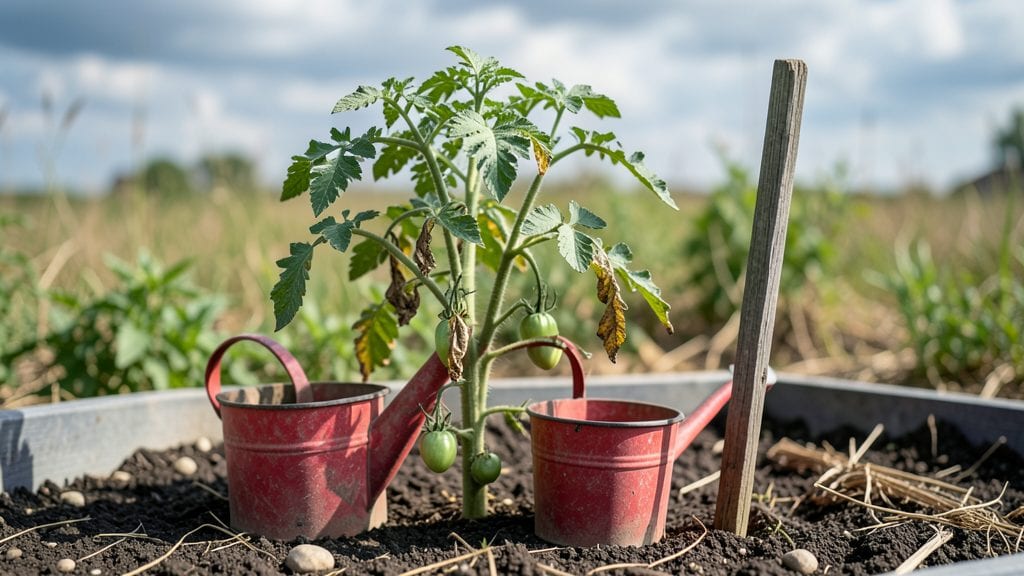
When your tomato plant looks more sad than sun-kissed, the fix might be simpler than you think. 🌱 I’ve nursed back more drooping tomato plants than I can count, and the water-reset trick works faster than any fertilizer or pruning hack.
Most gardeners overwater or underwater without realizing it—both leave plants limp and desperate for help.
Here’s the thing—tomatoes need deep, infrequent drinks, not daily sips. Check the soil: if the top 2 inches feel dry, water thoroughly until it runs out the drainage holes. If it’s soggy, hold off until it’s almost bone-dry.
Yellowing leaves? That’s often a thirst signal, not a disease. Within 24 hours, you’ll see leaves perk up like they’ve had a spa day.
This method doesn’t just revive wilting—it strengthens roots for better fruit later. You’ll spot new growth within a week, and those sad stems will start reaching for the sky again. The best part? No fancy tools or expensive fixes—just your hands, a watering can, and a little patience.
Works for container tomatoes, in-ground plants, and even those struggling under black plastic mulch. Let’s get that plant back in the game before the next heatwave hits.
Root Causes Of A Wilted Tomato Plant
A drooping tomato plant can feel like a mystery, but the truth is often hidden in plain sight—whether it’s in your watering habits, the soil’s health, or unseen pests gnawing away at its roots.
Understanding the why behind your plant’s sadness is the first step to bringing it back to life. Below, we break down the most common culprits, backed by science, so you can diagnose and fix the issue fast.
Tomatoes are thirsty plants, but they’re just as likely to drown as they are to dehydrate. The key is balance—too much or too little water disrupts the plant’s ability to absorb nutrients, leading to wilting, yellowing, or even root rot.
- Overwatering:
- When soil stays soggy for days, roots suffocate from a lack of oxygen. This triggers anaerobic conditions, where harmful bacteria and fungi (like Phytophthora) take over, rotting roots and cutting off water/nutrient flow.
- Signs: Dark, mushy stems at the base; leaves turn yellow (a condition called chlorosis); soil smells foul or feels compacted.
- Fix: Let the top 1–2 inches of soil dry out between waterings. Improve drainage by amending soil with perlite or compost, and ensure pots have drainage holes.
- Underwatering:
- When soil dries out, the plant’s vascular system (its "plumbing") collapses, and cells lose turgor pressure—think of a balloon losing air. Leaves wilt to conserve moisture, and growth stalls.
- Signs: Dry, crispy leaf edges; soil pulls away from pot sides; wilting that doesn’t recover after watering.
- Fix: Water deeply until it runs out the drainage holes (aim for 1–1.5 gallons per plant, depending on size). Use mulch to retain moisture and water in the morning to reduce evaporation.
💡 Pro Tip: Stick your finger 1–2 inches into the soil—if it’s dry, water; if it’s damp, wait. A moisture meter can take the guesswork out of it!
Tomatoes thrive in warmth but are surprisingly sensitive to temperature swings. Both heatwaves and sudden cold can shock the plant, causing leaves to wilt, curl, or develop sunburn.
- Heat Stress (Above 90°F/32°C):
- High temperatures increase transpiration (water loss through leaves) faster than roots can replenish it. This leads to wilting, even if the soil is moist.
- Signs: Leaves curl upward or downward; edges scorch (turn brown and crispy); fruit may develop sunscald (white, leathery patches).
- Fix:
- Provide afternoon shade with a shade cloth (30–50% coverage).
- Mulch heavily to keep roots cool.
- Water early in the day to reduce evaporation.
- Cold Stress (Below 50°F/10°C):
- Cold slows metabolic processes, including nutrient uptake. If temps drop below 40°F (4°C), cell membranes can rupture, leading to wilting or blackened leaves.
- Signs: Leaves turn black or purple; wilting that doesn’t improve in warmth; stunted growth.
- Fix:
- Use row covers or frost blankets at night.
- Move potted tomatoes to a sheltered spot (like near a south-facing wall).
- Avoid watering before sunset—wet leaves can freeze and damage foliage.
✨ Quick Revival: If your plant is wilted from heat but the soil is moist, trim any scorched leaves and move it to a cooler spot. It should perk up within 24–48 hours!
Tomatoes are heavy feeders and demand nutrient-rich, well-aerated soil. If the soil is compacted, depleted, or lacks structure, roots struggle to access water and nutrients—even if you’re watering regularly.
- Compacted Soil:
- Heavy clay or overworked soil crushes root systems, reducing their ability to absorb water. Roots may also suffocate, leading to hypoxia (oxygen starvation).
- Signs: Wilting despite frequent watering; soil feels hard when squeezed; roots appear dark and mushy if dug up.
- Fix:
- Amend soil with organic matter like compost or aged manure (aim for 2–3 inches mixed into the top 6–12 inches of soil).
- Use raised beds or containers with a mix of potting soil and perlite for better aeration.
- Avoid walking on garden beds to prevent further compaction.
- Nutrient Deficiencies:
- Wilting can also signal a lack of key nutrients like potassium (critical for water regulation) or magnesium (essential for chlorophyll production).
- Signs:
- Potassium deficiency: Yellowing leaf edges (called scorching); weak stems; poor fruit development.
- Magnesium deficiency: Interveinal chlorosis (yellow patches between leaf veins).
- Fix:
- Fertilize with a balanced tomato fertilizer (look for NPK ratios like 5-10-10 or 10-20-20).
- For magnesium, apply Epsom salt (1 tablespoon per gallon of water) every 2–3 weeks.
- Use compost tea or fish emulsion for a gentle nutrient boost.
📊 Soil Test Tip: If your plant is chronically underperforming, send a soil sample to your local extension office for a pH and nutrient analysis. Tomatoes prefer a pH of 6.0–6.8—adjust with lime (to raise pH) or sulfur (to lower it) if needed.
Not all wilting is due to environmental factors—pests and pathogens can silently drain your tomato’s vitality, leaving it weak and wilted.
- Root-Rotting Fungi (Fusarium, Verticillium, or Phytophthora):
- These soil-borne fungi clog a plant’s vascular system, blocking water and nutrient flow. Fusarium and Verticillium wilt often appear suddenly, even in healthy-looking plants.
- Signs: Sudden wilting (often starting with lower leaves); yellowing or browning of vascular tissue when stems are cut open; wilting that doesn’t improve with
Revive Your Tomato Plant Now
A drooping tomato plant doesn’t mean game over—with the right care, you can bring it back to life! Below are practical, step-by-step solutions tailored to the most common causes of a sad tomato plant, from overwatering to nutrient deficiencies. Each fix includes prevention tips to keep your plant thriving long-term.
Signs: Yellowing leaves, mushy stems, or crispy edges.
🔥 Step 1: Check the Soil
Stick your finger 1-2 inches deep into the soil. If it’s:
- Soggy or smells like rot → You’re overwatering.
- Dry and crumbly → You’re underwatering.
🍳 Step 2: Adjust Watering Habits
- Overwatered? Let the soil dry out slightly between waterings. Move the plant to a well-draining pot (add perlite or sand if needed).
- Underwatered? Water deeply until it drains from the bottom, but never let it sit in standing water.
Use a moisture meter for accuracy.
👨🍳 Step 3: Prune Damaged Areas
Snip off mushy, blackened leaves with clean scissors to prevent rot from spreading.
💡 Prevention Tip: Water in the morning so excess moisture evaporates. Use drip irrigation for consistent moisture without drowning roots.
Signs: White or brown patches on leaves, wilting despite wet soil.
🔥 Step 1: Provide Shade
Move your plant to a spot with partial shade (4-6 hours of sun max) for a few days. Use a light shade cloth if outdoors.
🍳 Step 2: Boost Hydration
Water more frequently during heatwaves, aiming for 1-2 inches per week. Mulch around the base to retain moisture.
👨🍳 Step 3: Trim Damaged Foliage
Cut off sun-scorched leaves to redirect energy to healthy growth.
💡 Prevention Tip: If growing in hot climates, choose heat-tolerant varieties like ‘Solar Fire’ or ‘Heatmaster.’
Signs: Yellowing between veins (nitrogen), purple stems (phosphorus), or weak stems (potassium).
🔥 Step 1: Test Your Soil
Use a DIY soil test kit (or send a sample to a local extension office) to identify deficiencies.
🍳 Step 2: Apply the Right Fertilizer
- Nitrogen (yellow leaves): Use fish emulsion or compost tea.
- Phosphorus (poor flowering): Add bone meal or phosphorus-rich fertilizer.
- Potassium (weak stems): Feed with banana peel tea or potassium sulfate.
👨🍳 Step 3: Feed Consistently
Tomatoes are heavy feeders—fertilize every 2-3 weeks during growing season.
💡 Prevention Tip: Mix compost or worm castings into soil at planting for slow-release nutrients.
Signs: Holes in leaves (pests), black spots (fungus), or sticky residue (aphids).
🔥 Step 1: Identify the Problem
Common culprits:
- Aphids/Spider Mites → Sticky leaves, tiny bugs.
- Blight (Fungal) → Dark spots, wilting.
- Root Rot → Mushy stems, foul smell.
🍳 Step 2: Treat Accordingly
| Issue | Fix |
|---|---|
| Pests | Spray with neem oil or soapy water (1 tsp dish soap + 1L water). |
| Fungal Blight | Remove infected leaves, space plants for airflow, and spray copper fungicide. |
| Root Rot | Repot in fresh, sterile soil and trim rotten roots with sterilized scissors. |
👨🍳 Step 3: Prevent Future Outbreaks
- Rotate crops yearly to avoid soil-borne diseases.
- Water at the base (not leaves) to reduce fungal risk.
- Inspect plants weekly for early signs of trouble.
💡 Prevention Tip: Copper tape around pots deters slugs and some fungal spores!
Signs: Sudden wilting, leaf drop, or stunted growth after a cold snap.
🔥 Step 1: Protect from Drafts
Move potted tomatoes indoors or to a sheltered spot if temperatures drop below 50°F (10°C).
🍳 Step 2: Gradually Acclimate
If bringing indoors, harden off plants over 3-5 days to avoid shock.
👨🍳 Step 3: Use Row Covers
For outdoor plants, floating row covers provide insulation without blocking light.
💡 Prevention Tip: Black plastic mulch warms soil faster in spring, giving seedlings a head start.
If your tomato plant is severely wilted but not dead, try this emergency revival method:
- Trim all dead/damaged leaves (even if it looks drastic).
- Repot in fresh, well-draining soil (if roots are rotten).
- Water deeply, then stop watering for 3 days to let roots recover.
- Place in bright, indirect light and resume normal care.
✨ Pro Tip: Add a handful of Epsom salt (magnesium sulfate) to the soil to boost recovery.
Remember: Tomato plants are resilient—most can bounce back with the right care. Start with one fix at a time, monitor progress, and adjust as needed. Soon, you’ll be harvesting juicy, vine-ripened tomatoes instead of staring at a sad, wilting plant! 🍅🌿
Frequently asked questions
Why does my tomato plant suddenly look wilted even when the soil feels moist?
This could signal root rot from overwatering or a fungal infection like Verticillium wilt. Check stems for dark, mushy spots at the base—if present, reduce watering immediately and improve drainage. If the soil smells foul, repot in fresh, sterile soil to prevent spread.
Can I save a tomato plant with yellowing leaves and weak stems?
Yes! Yellowing often means nutrient deficiency (like nitrogen or potassium) or overwatering. Feed with Epsom salt (1 tbsp/gallon) for magnesium or a balanced fertilizer. Prune damaged leaves and ensure soil drains well. Most plants recover within 1-2 weeks with proper care.
How often should I water my tomato plant to prevent wilting?
Water deeply 1-2 times per week, aiming for 1-1.5 gallons per plant, depending on size. Let the top 1-2 inches of soil dry between waterings—stick your finger in to check. Morning watering reduces evaporation, and mulch helps retain moisture.
What’s the fastest way to revive a severely wilted tomato plant?
Try the water-reset trick: Trim all dead leaves, repot in fresh soil if roots are rotten, then water deeply. Place in bright, indirect light and stop watering for 3 days to let roots recover. Add Epsom salt (1 tbsp/gallon) to boost magnesium. Most plants perk up within 24-48 hours!
Why are my tomato leaves curling upward in hot weather?
This is a heat stress response—high temps increase water loss faster than roots can absorb it. Move plants to partial shade (4-6 hours of sun max) and water early in the day to reduce evaporation. Mulch heavily to keep roots cool.