Diseases
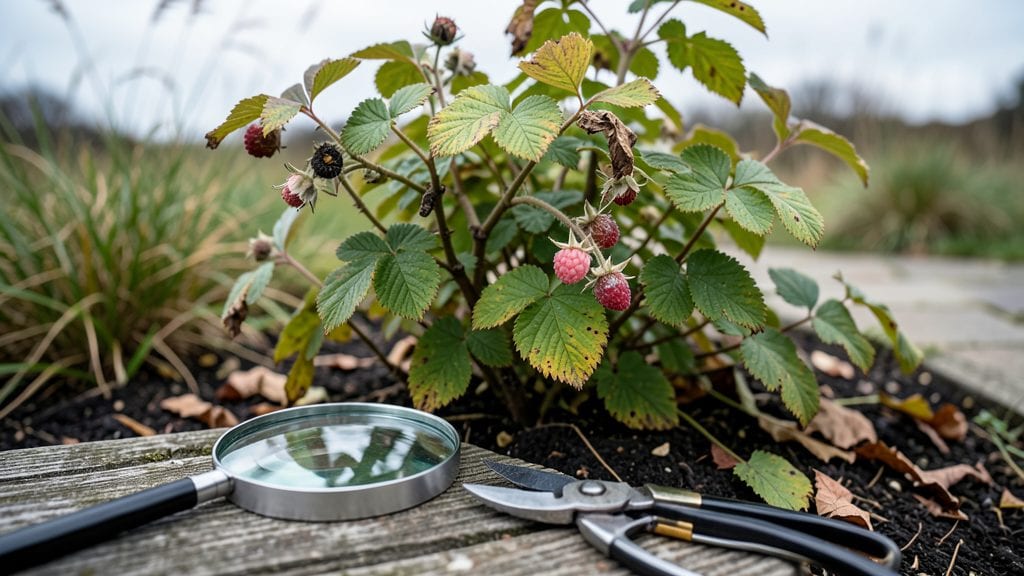
My raspberry plants once looked like they’d been hit by a fungal tornado—spots, mold, and wilted canes everywhere. 🌱 The truth is, most raspberry diseases start with simple mistakes: overwatering, poor airflow, or ignoring yellowing leaves. But here’s the good news: catching these issues early keeps your berries thriving.
Fungal infections like cane spot, botrytis, and powdery mildew thrive in damp, crowded conditions. I learned the hard way that pruning old canes in winter and spacing plants properly cuts infection risks by half.
The key is prevention—clean tools, mulch that dries quickly, and choosing disease-resistant varieties like ‘Boyne’ or ‘Heritage.’
Once you spot the signs—dark spots, fuzzy growth, or stunted berries—you can act fast. Organic sprays like neem oil or copper fungicide work wonders on early infections, while severe cases might need a targeted fungicide. The goal? Save your plants without sacrificing flavor or yield.
Even with the best care, some diseases demand a pro’s touch. If your entire patch looks sickly despite your efforts, it’s time to call an extension office for a soil test or expert advice. But for 90% of cases, these steps will have your raspberries back on track in weeks.
Root Causes Behind Raspberry Ailments
Raspberry plants, like any living organism, are vulnerable to a range of fungal diseases—but these issues rarely appear out of thin air. Understanding the why behind these problems is the first step to prevention and treatment.
Below, we break down the key factors that create the perfect storm for raspberry plant diseases, from environmental conditions to human habits.
Fungi thrive in specific conditions, and raspberries often fall victim when these factors align. Here’s how the environment sets the stage for trouble:
- Excess Moisture: Raspberry plants need water, but too much is a recipe for disaster. Overhead irrigation, poor drainage, or heavy rainfall create a damp, humid atmosphere—ideal for fungal spores like Botrytis cinerea (gray mold) or Phytophthora (root rot). Why? Fungi spread via water droplets, splashing spores onto leaves, canes, and fruit.
- High Humidity: Humidity above 75% for prolonged periods slows evaporation, keeping fungal spores active. Didymella applanata (fruit rot) and Didymella bryoniae (leaf spot) love this environment because spores germinate faster in moist air.
- Temperature Swings: Cool nights (50–60°F) followed by warm, humid days create condensation on plant surfaces. This "dew effect" gives fungi a head start. Example: Botrytis spreads aggressively in these conditions.
- Stagnant Air: Dense foliage or lack of airflow traps moisture and spores. Fungi like Phomopsis (cane spot) spread unchecked when air doesn’t circulate, leading to rapid infection.
💡 Pro Tip: Space plants 18–24 inches apart and prune for airflow. Use drip irrigation (not overhead) to keep leaves dry.
A healthy raspberry plant has natural resistance, but stress weakens its immune system. Here’s what compromises its defenses:
- Nutrient Deficiencies: Lack of nitrogen, phosphorus, or potassium stunts growth, making plants more susceptible to diseases. Example: Low potassium (K) reduces cell wall strength, making it easier for Phytophthora to invade roots.
- Physical Damage: Pruning wounds, hail, or insect bites create entry points for fungi. Why? Open wounds expose plant tissues to spores, bypassing natural barriers.
- Overcrowding: Competitive stress from overcrowded canes reduces sunlight and airflow, weakening plants. Result: Increased susceptibility to Anthracnose (a fungal leaf and fruit disease).
- Improper Pruning: Leaving old, diseased canes or cutting too late in the season stresses the plant. Example: Didymella overwinters on dead canes, reinfecting new growth in spring.
🌡️ Key Insight: A plant with strong roots and balanced nutrients can fend off up to 70% of fungal threats. Test soil annually for deficiencies!
Fungi are persistent and can lurk in unexpected places. Here’s how they hitch a ride to your raspberry patch:
- Reused Pruners: Tools contaminated with Phomopsis or Botrytis spores spread disease from one plant to another. Science: Fungal spores can survive on metal for months.
- Infested Mulch or Compost: Old mulch, wood chips, or compost with fungal mycelium (like Armillaria) can infect roots. Example: Armillaria mellea (honey fungus) spreads via contaminated soil.
- Water Sources: Reusing water from containers with fungal growth (e.g., old buckets with Algae or Botrytis) introduces spores to healthy plants.
- Plant Debris: Leaving fallen leaves, fruit, or canes in the bed provides a food source for fungi to multiply. Example: Didymella overwinters in old raspberry fruit.
✨ Prevention Hack: Sterilize pruners with 70% isopropyl alcohol or bleach water (1 part bleach to 9 parts water) between cuts.
Even the most resilient raspberry plants succumb when basic hygiene is ignored. Here’s how neglect invites trouble:
- No Crop Rotation: Planting raspberries in the same spot year after year exhausts soil nutrients and leaves fungal pathogens (like Phytophthora) to build up. Rule: Rotate every 3–4 years.
- Ignoring Weeds: Weeds harbor fungal spores and compete with raspberries for resources. Example: Puccinia (rust fungus) often spreads from infected weeds to raspberry leaves.
- Skipping Soil Testing: Unbalanced pH (too acidic or alkaline) stresses plants, making them vulnerable. Ideal pH: 5.5–6.5 for raspberries.
- Using Infected Plant Material: Buying or trading raspberry canes from infected plants introduces diseases like Verticillium wilt into your garden.
🎯 Golden Rule: Treat your raspberry patch like a sterile lab—clean up debris, test soil, and quarantine new plants for 2 weeks.
Quick Fixes for Raspberry Fungal Foes
Fungal diseases can turn your thriving raspberry patch into a sad, spotted mess—but don’t panic! With the right approach, you can revive your plants and keep future outbreaks at bay.
Below, we’ve mapped out cause-specific solutions to tackle the most common raspberry fungal issues, plus preventive tips to protect your harvest. Think of this as your emergency repair kit for berry blight, mold, and mildew.
Cause: High humidity, poor airflow, or crowded plants create the perfect breeding ground for this white, powdery fungus.
How to Treat It:
- 🔥 Prune for Airflow – Thin out dense canes to improve circulation. Aim for 6–8 inches of space between plants.
- 🍳 Spray with Baking Soda Mix – Combine 1 tbsp baking soda, 1 tsp dish soap, and 1 gallon of water. Spray every 7–10 days until symptoms fade.
- 🌡️ Boost Heat Tolerance – If your climate is humid, opt for disease-resistant varieties like ‘Heritage’ or ‘Boyne.’
Prevention:
- ✨ Water at the base (never overhead) to keep leaves dry.
- 🌞 Space plants 2–3 feet apart to prevent humidity buildup.
Cause: Wet berries (from rain or overhead watering) invite this gray, fuzzy rot, especially in overripe or damaged fruit.
How to Treat It:
- 👨🍳 Remove Infected Berries – Snip off moldy fruit immediately (don’t compost—burn or trash it!).
- 🔪 Thin Canes & Fruit – Overcrowding traps moisture. Prune old canes and leave only 1–2 berries per cluster for better airflow.
- 🥘 Apply Copper Fungicide – Spray copper-based fungicide (like Bordeaux mixture) every 2 weeks during wet seasons.
Prevention:
- 🌧️ Use drip irrigation or soaker hoses to avoid wetting leaves/fruit.
- 🍓 Harvest berries promptly—don’t let them linger on the plant.
Cause: Cool, wet weather + infected soil or plant debris trigger these dark, sunken lesions on leaves and fruit.
How to Treat It:
- 🔪 Sterilize Tools & Soil – Clean pruners with rubbing alcohol, and solarize soil (cover with plastic for 4–6 weeks in summer) to kill spores.
- 🍳 Neem Oil Spray – Mix 1 tbsp neem oil + 1 tsp soap per gallon of water. Spray weekly until new growth appears.
- 🌡️ Adjust Planting Time – Avoid planting in low-lying areas where water pools.
Prevention:
- 💡 Rotate crops—don’t plant raspberries in the same spot for 3+ years.
- 🌱 Choose resistant varieties like ‘Nova’ or ‘Dorman Red.’
Cause: Infected canes + wet conditions lead to black streaks and dieback, weakening the plant.
How to Treat It:
- 🔪 Cut Out Infected Canes – Remove blackened or dying canes at the base (sterilize tools between cuts!).
- 🍳 Copper or Sulfur Spray – Apply copper fungicide in early spring before new growth starts.
- 🌱 Replace Old Canes – Prune 2-year-old canes (they’re most susceptible) to encourage new, healthy growth.
Prevention:
- 🌧️ Improve drainage—raise beds or add compost to prevent waterlogging.
- 🌿 Mulch with straw to keep canes dry.
No matter the disease, these universal fixes work wonders:
- 🌞 Morning watering (so leaves dry by evening).
- 🍂 Clean up debris (remove fallen leaves/berries after harvest).
- 🌱 Test soil pH (aim for 5.5–6.5—fungi thrive in acidic soil).
- 💡 Use reflective mulch (aluminum foil or white plastic) to reduce humidity near plants.
Pro Tip: 🌡️ Monitor weather forecasts—fungi spread faster in humidity >75% or temps 60–80°F. Adjust sprays accordingly!
With these targeted fixes, your raspberry patch can bounce back stronger than ever. Healthy plants = happy berries! 🍓✨
Frequently asked questions about raspberry plant diseases
Why do my raspberry leaves turn yellow and drop off?
Yellowing leaves (chlorosis) usually signal nutrient deficiencies, often from low nitrogen or iron. Overwatering or poor drainage can also cause root rot, which blocks nutrient uptake. Test your soil—raspberries thrive in pH 5.5–6.5—and apply a balanced fertilizer like 10-10-10 in early spring.
Can I still eat raspberries from plants with fungal diseases?
Only if the fruit shows no visible mold or lesions. Remove all infected berries immediately—don’t compost them! Fungi like Botrytis (gray mold) can contaminate healthy fruit through contact. Harvest only clean berries and wash them thoroughly with 1 tbsp vinegar per gallon of water to kill lingering spores.
How do I know if my raspberry plant has a viral vs. fungal disease?
Fungal diseases show physical symptoms like powdery white coatings (mildew), dark spots (leaf spot), or fuzzy growth (Botrytis). Viral infections cause mosaic patterns on leaves, stunted growth, and distorted fruit—no mold appears. Viruses spread via insects (like aphids), while fungi spread through water or contaminated tools.
Will neem oil work on established raspberry diseases?
Neem oil is best for prevention and early-stage infections (like powdery mildew). For advanced fungal diseases (e.g., cane spot or root rot), combine it with copper fungicide and prune infected canes. Spray neem oil weekly at dusk for 2–3 weeks—it disrupts fungal spore germination but won’t cure deep-rooted infections.
How long does it take to see improvement after treating fungal diseases?
Mild cases (like powdery mildew) show improvement in 7–10 days with proper care. Severe infections (e.g., Phomopsis cane spot) may take 4–6 weeks to fully resolve, especially if canes are pruned and soil is sterilized. Monitor plants daily—remove new infected leaves immediately to prevent spread. Patience pays off!