Plants
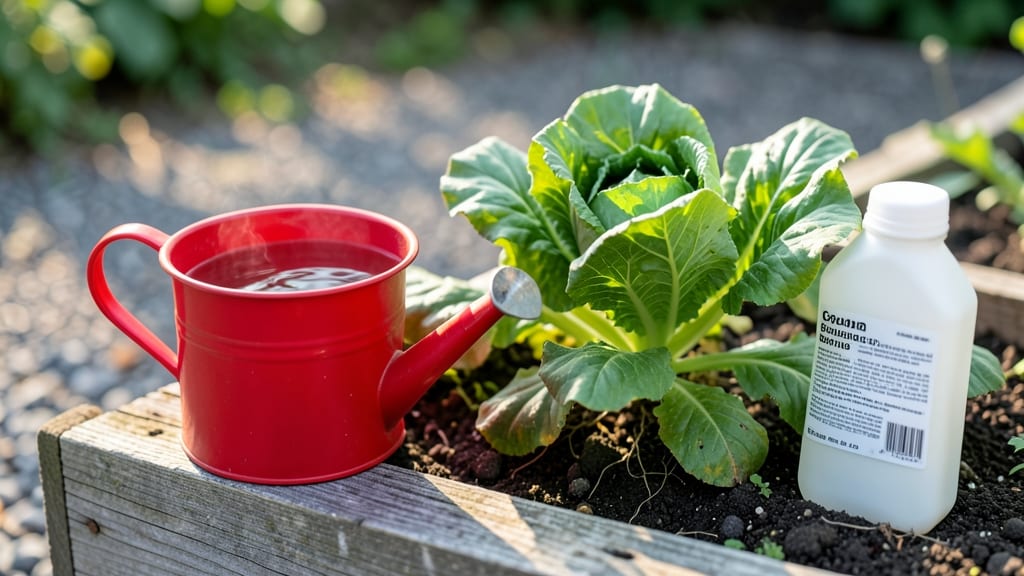
Chlorine and plants cause immediate damage to roots, stunting growth and potentially killing foliage within hours. To protect your plants, let tap water sit uncovered for 24 hours or use rainwater, distilled water, or filtered water instead.
Chlorine disrupts plant health by oxidizing delicate root cells, which can't process nutrients properly. 🌱 This chemical reaction blocks water absorption and triggers stress responses, often leading to yellowing leaves or wilting. Even small amounts in water can weaken plants over time, making them more susceptible to disease.
I’ve seen houseplants recover after switching to dechlorinated water, but some sensitive species like ferns or orchids may never bounce back from prolonged exposure.
For gardeners, the solution is simple: collect rainwater or use a dechlorination method like adding 1 teaspoon of baking soda per gallon of water. If you’re unsure about your water source, test it with a simple chlorine test strip before watering.
Some plants, like succulents, tolerate chlorinated water better than moisture-loving varieties, but it’s still safer to err on the side of caution.
💡 In This Article
- How Chlorine Disrupts Plant Root Systems
- Safe Water Alternatives for Houseplants and Gardens
How chlorine disrupts plant root systems
When chlorine enters plant roots, it initiates a chain reaction that begins with oxidation. Chlorine (Cl₂) breaks down into hypochlorous acid (HOCl) in water, a potent oxidizing agent that disrupts cellular membranes in root hairs.
These tiny root hairs are responsible for absorbing 90% of a plant's water and nutrients, and their damage directly starves the plant. The oxidation process creates free radicals that attack cell walls, making them brittle and permeable—similar to how bleach weakens fabric fibers over time.
The real damage happens at the microscopic level. Chlorine alters the pH of the root zone, often dropping it below 6.0, which is acidic enough to denature enzymes critical for nutrient uptake.
For example, nitrate reductase, an enzyme that converts nitrates to usable nitrogen, becomes inactive in acidic conditions.
This blocks the plant's ability to process essential nutrients like nitrogen, phosphorus, and potassium—even if they're present in the soil. 💧 Compare this to fluoride or heavy metals, which primarily disrupt enzymes or bind to soil particles, but chlorine's oxidative damage is immediate and systemic.
Oxidative stress is the final blow. Chlorine triggers the production of reactive oxygen species (ROS) in root cells, overwhelming their natural defenses. These ROS molecules attack lipids in cell membranes, causing them to break down—a process called lipid peroxidation.
You can visualize this as rust forming on metal: the root's structural integrity weakens until it can no longer support the plant. Sensitive species like calatheas or philodendrons show visible symptoms within 24-48 hours, including brown leaf tips or wilting, while hardier plants may take weeks to show decline.
What makes chlorine particularly insidious is its persistence. Even after watering, residual chlorine can linger in soil for 3-5 days, continuing to stress roots. This is why plants often exhibit stunted growth or yellowing leaves long after the initial exposure.
Unlike fluoride (which accumulates in plant tissues) or heavy metals (which bind to organic matter), chlorine's effects are both rapid and reversible—if caught early. The key is understanding that roots aren't just passive absorbers; they're living tissues with delicate biochemical processes that chlorine actively disrupts.
Consider this comparison: a 1 ppm chlorine concentration (common in tap water) is enough to inhibit root respiration by 20-30%. At 3 ppm, a level found in some municipal systems, root growth can halt entirely within 72 hours.
This is why professional growers use dechlorinated water for hydroponics—the stakes are too high for root health to be compromised, even slightly. The damage isn't just cosmetic; it's a fundamental disruption of the plant's ability to sustain itself.
Here's what's actually happening in your potted plants: when you water with chlorinated tap water, the chlorine doesn't just disappear—it reacts with organic matter in the soil, forming chloramines that can linger for days.
These compounds continue to release small amounts of chlorine over time, creating a prolonged stressor. 🌱 For container plants, this means roots have no escape, unlike garden plants where rain can dilute the chlorine.
That's why even "hardy" plants like snake plants or pothos can suffer if consistently watered with untreated tap water.