How To
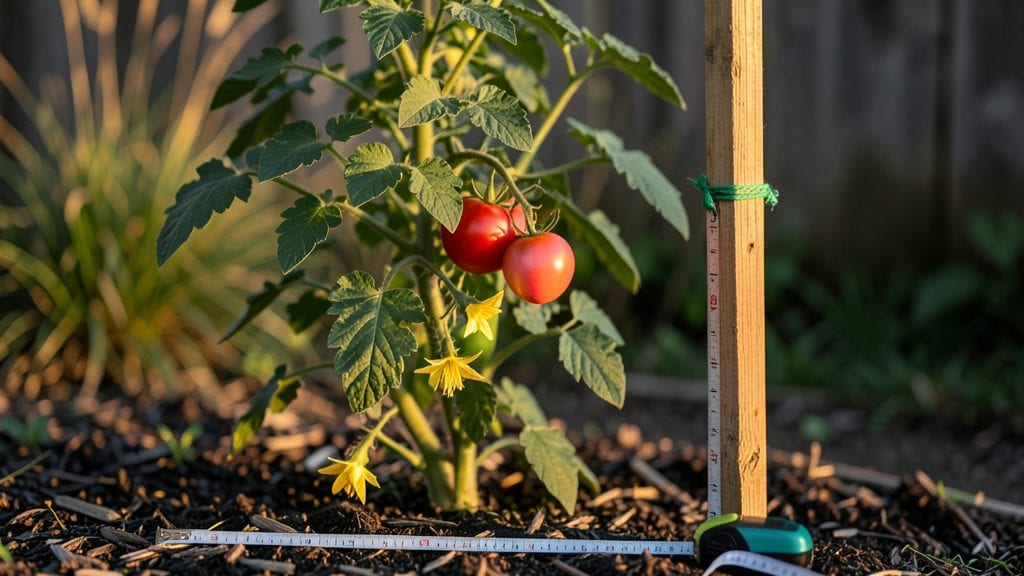
Understanding how tall tomato plants grow reveals their surprising range—from a modest 1 foot to towering over 10 feet, all thanks to the variety and care you provide them 🍅.
Ever watched a tiny seedling explode into a vine that needs a ladder to pick its fruit? That’s the magic—and challenge—of growing tomatoes. The height isn’t just about space; it dictates how you’ll support them, when you’ll harvest, and even which varieties will thrive in your garden.
Determinate types stay compact, perfect for containers, while indeterminate varieties climb like jungle vines. In USDA Zone 6a, where spring planting kicks off in April, choosing the right height zone means the difference between a manageable harvest and a tangled mess.
Here’s how to match your garden’s space, climate, and growing style to the perfect tomato height—plus the pruning and support tricks that keep them productive without taking over your yard.

Tomato plant height zones: determinate vs indeterminate varieties explained
When you're planning your tomato garden, the first question I always ask myself is: how tall will these plants grow? The answer isn't just about whether they'll fit in your space—it determines everything from pruning needs to harvest timing.
Tomatoes fall into two main height zones: determinate (bush types) and indeterminate (vining types). Each behaves completely differently, and choosing the wrong one for your garden can mean the difference between a compact harvest and a towering mess.
Determinate varieties grow to a set height (usually 3-5 feet) and produce fruit all at once, while indeterminate types keep growing (6-12+ feet) and fruit continuously. This isn't just a size difference—it affects support systems, pruning strategies, and even how you rotate crops in future seasons.
Let's break down the key differences so you can pick the perfect variety for your garden layout.
🌱 comparison-table
| Growth Type | Height Range | Growth Pattern | Harvest Window | Pruning Needs |
|---|---|---|---|---|
| Determinate | 3-5 ft | Bushy, compact Stops growing at maturity |
All at once (2-3 week window) |
Minimal (Remove suckers if needed) |
| Indeterminate | 6-12+ ft | Vining, continuous Grows until frost |
Ongoing (All season) |
Heavy (Regular pruning required) |
Determinate tomatoes are the workhorses of small gardens and containers. Varieties like Roma or Celebrity max out around 4 feet, making them perfect for balcony gardens or window boxes.
Their compact growth means less need for staking, but you'll get a single massive harvest all at once—great for canning or preserving. The trade-off? If you're not ready to process that many tomatoes at once, you might end up with rotten overripe fruit on the vine.
On the flip side, indeterminate varieties like Sungold or Brandywine are the marathon runners of the tomato world. These plants keep growing until fall frost, producing fruit continuously from midsummer until the first freeze.
That means a staggered harvest perfect for fresh eating all season, but it also means you'll need to commit to regular pruning and support systems. Without proper care, these vines can become unruly, sprawling across your garden like unchecked vines in a jungle.
One of the biggest misconceptions I see among new gardeners is thinking that taller plants always mean bigger yields. While indeterminate varieties can produce more total fruit over the season, determinate types often give you a higher percentage of usable fruit per square foot.
For example, a 4-foot determinate plant might yield 20 pounds of tomatoes in a 2-foot diameter space, while a 10-foot indeterminate vine might spread out over 6 feet but only produce 25 pounds total. It's all about space efficiency versus season-long production.
Let's talk about support systems—because this is where height really matters. Determinate tomatoes typically just need a low cage (3-4 feet tall) or even no support at all if you're growing in a heavy mulch bed.
Indeterminate varieties, however, require sturdy trellises or stakes—think 8-10 feet tall for varieties like Cherokee Purple.
I've seen gardeners try to grow indeterminates without support, only to watch their plants flop over under the weight of heavy fruit, leading to cracked tomatoes and disease from wet foliage touching the soil.
Another critical factor is harvest timing. Determinate varieties give you a 2-3 week harvest window, which is fantastic if you're planning to can or freeze your tomatoes. Indeterminate types, meanwhile, provide a continuous harvest—perfect if you want fresh tomatoes for salads all summer long.
This difference alone might influence whether you choose heirloom varieties (often indeterminate) for fresh eating or paste tomatoes (usually determinate) for cooking. For example, San Marzano determinates are ideal for sauces because they all ripen at once, while Sweet 100 indeterminates give you a steady supply of cherry tomatoes.
If you're working with limited space, consider dwarf indeterminate varieties like Tiny Tim (4-5 feet) or Micro Tom (1-2 feet), which combine some benefits of both growth types. These are perfect for container gardening or small urban plots.
On the other hand, if you have vertical space to spare—like a trellis along a fence—you can grow monster indeterminate varieties like Arkansas Traveler or Black Krim, which can reach
How to choose tomato varieties based on garden space and climate
Your garden’s layout and local climate should dictate which tomato varieties you grow. A balcony container needs dwarf types, while a sunny backyard can handle towering vines. Matching plant height to your space prevents overcrowding and ensures proper airflow—critical for disease prevention.
For example, cherry tomatoes like 'Tiny Tim' stay compact, while 'Sungold' climbs indefinitely without pruning.
Climate plays a huge role too. Determinate varieties thrive in cooler zones (USDA 5-8) because they ripen quickly, while indeterminate types need long, warm seasons (USDA 9-11) to produce continuously.
Even in hot zones, shade cloth helps protect tall vines from sun scorch. Always check a variety’s days to maturity against your frost dates.
For small spaces, prioritize bush varieties like 'Balcony Red' or 'Micro Tom'. These stay under 2 feet tall and produce cherry-sized fruit perfect for snacking. Use 5-gallon containers with drainage holes and a tomato cage for support.
In urban gardens, vertical planters save space while maximizing yield—just ensure the pot holds at least 10 gallons for one plant.
If you have vertical space, indeterminate types like 'Brandywine' or 'Black Krim' reward you with continuous harvests all season. Train them on a trellis or stake to save ground space, but be prepared for pruning to control sprawl.
In hot climates, opt for heat-tolerant varieties like 'Heatmaster' or 'Solar Fire', which thrive in 90°F+ temperatures without bolting.
Don’t overlook climate-specific hybrids. For cooler regions, choose early-maturing types like 'Stupice' (only 50 days to harvest). In humid zones, disease-resistant varieties such as 'Mountain Merit' or 'Defiant PhR' reduce fungal risks. Always rotate crops yearly to prevent soil-borne diseases from building up.
Pro tip: Test your garden’s sunlight with a sun gauge before planting. Most tomatoes need 6-8 hours of direct sun, but indeterminate types crave 8+ hours.
If your space gets partial shade, stick to shade-tolerant varieties like 'Sun Gold' or 'Sweet Million'—they’ll still produce, just with slightly smaller fruit.