
Vegetables
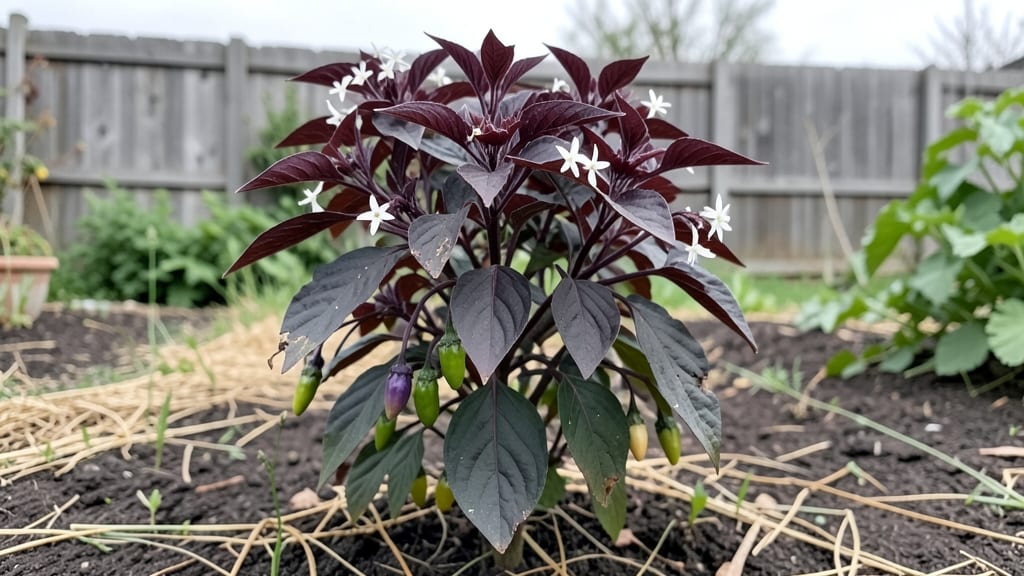
My purple leaf pepper plant is the one plant that never lets me down—it thrives when others wilt, produces peppers year-round, and turns my garden into a jewel-toned masterpiece. 🌿 The deep purple foliage alone makes it a showstopper, but the bonus is the mild, sweet peppers that keep coming even when other plants have given up.
Growing these beauties is easier than you think. They love full sun but tolerate partial shade, making them perfect for small spaces or containers. The soil just needs to drain well—no fancy amendments required—and watering is simple: keep it consistent but never soggy.
My plants stay vibrant through droughts, which is a game-changer for hot, dry summers.
You’ll harvest peppers continuously from late spring until frost, and the purple leaves keep looking fresh even when other plants fade. The peppers themselves are mild and great for fresh eating, salsas, or pickling. Plus, the ornamental value means your garden stays stunning even when nothing else is blooming.
Fair warning: these plants can get leggy if you don’t prune them occasionally, but that’s the only real maintenance. They’re tough, beautiful, and productive—exactly what I look for in a garden workhorse. Ready to grow yours?
📚 In This Guide
- What you need
- Instructions
- Tips and common mistakes
- Wrapping up and next steps
What you need
- ● Purple Leaf Pepper Seeds or Seedlings: 1–3 seeds (if starting from scratch) or 1–2 healthy seedlings (for faster results).
- ● Pro tip: Look for varieties like ‘Purple Beauty’ or ‘Purple Flash’ for vibrant foliage!
- ● Well-Draining Potting Mix: 1–2 gallons (for containers) or a bag of organic, peat-free mix (for in-ground planting).
- ○ Optional: Amend with perlite or vermiculite (10–20%) to improve drainage.
- ● Containers (if not planting in-ground): 1–2 5–10 gallon pots with drainage holes (peppers need room to grow!).
- ○ Optional: Self-watering pots for low-maintenance care.
- ● Garden Gloves (1 pair) – Protect your hands from prickly stems!
- ● Trowel or Small Shovel – For transplanting seedlings.
- ● Watering Can or Hose with Gentle Spray Nozzle – Avoid blasting seeds!
- ● Fertilizer: Balanced organic fertilizer (e.g., 10-10-10) or compost (1 cup per plant).
- ○ Optional: Slow-release granules for convenience.
- ● Mulch (Straw or Wood Chips) – Helps retain moisture and suppress weeds.
- ● Pruning Shears – For shaping and harvesting.
- ● Sunlight: Full sun (6–8+ hours daily) – Purple leaf peppers thrive in warmth!
- ● Temperature: Soil temp: 60–90°F (15–32°C) (use a soil thermometer if needed).
- ● Hardiness zone: USDA Zones 9–11 (or grow in containers to overwinter indoors).
- ● Water: Consistent moisture (avoid soggy soil—peppers hate "wet feet").
- ● Space: 18–24 inches apart (for in-ground) or 1 plant per 5-gallon container.
Step-by-Step guide to growing and maintaining a purple leaf pepper plant
Here’s how to keep your purple leaf pepper plant vibrant year-round with minimal fuss.
🌱 Step 1: Select the Right Container and Soil
Start with a 5-7 gallon container that has drainage holes—purple leaf peppers hate soggy roots. I like terracotta pots because they breathe and help regulate moisture. Fill the bottom third with a layer of gravel or perlite to improve drainage and prevent root rot.
Use a well-draining potting mix—regular garden soil compacts and suffocates roots. Mix equal parts of potting soil, perlite, and compost to create a light, airy blend. The soil should feel like a damp sponge when squeezed; if it crumbles, add a little more water.
☀️ Step 2: Plant and Position for Optimal Light
Dig a hole in the soil mix that’s twice as wide as the root ball but only as deep. Gently remove the pepper plant from its nursery pot and place it in the hole, ensuring the top of the root ball sits just below the soil line. This prevents stem rot while keeping the plant stable.
Purple leaf peppers thrive in full sun (6-8 hours daily), but they tolerate partial shade in hot climates. Place your container where it gets morning sun and afternoon shade if temperatures exceed 90°F. If growing indoors, position it near a south-facing window or under a grow light for 12-14 hours of light daily.
💧 Step 3: Water and Fertilize for Lush Growth
Water deeply until it drains from the bottom of the pot, then let the top 1-2 inches of soil dry out before watering again. Purple leaf peppers are drought-tolerant, but they’ll reward you with richer color if you keep the soil consistently moist—not soggy. I water mine every 5-7 days, adjusting for humidity and temperature.
Feed your plant every 4-6 weeks with a balanced, water-soluble fertilizer diluted to half strength. Over-fertilizing causes salt buildup, which burns roots and dulls the purple foliage. Look for signs of nutrient deficiency—yellowing leaves or slow growth—and adjust accordingly. I switch to a low-phosphorus fertilizer in late summer to encourage more foliage over flowers.
✂️ Step 4: Prune and Shape for Year-Round Color
Trim back leggy growth in early spring to encourage bushier, more vibrant foliage. Use clean, sharp pruners to snip just above a leaf node, where new growth will sprout. This keeps the plant compact and prevents it from becoming top-heavy, which can topple in pots.
Remove any flower buds that appear in the first year unless you want peppers—letting the plant focus on foliage keeps those stunning purple leaves vibrant. In late fall, give it a light pruning to tidy up, but avoid heavy cuts that stress the plant before winter. You’ll see fresh, bright growth within weeks of pruning, signaling it’s thriving.
⏰ Step 5: Protect Through Seasonal Changes
In winter, move your pepper plant indoors near a bright window or under grow lights. Reduce watering to every 10-14 days since growth slows, and the soil stays moist longer. If temperatures drop below 50°F, wrap the pot in bubble wrap to insulate roots and prevent shock.
Before bringing it back outside in spring, harden it off by placing it outdoors for a few hours daily, gradually increasing exposure. Watch for new growth—this is your cue that it’s ready for full-time outdoor life again. With proper care, your purple leaf pepper will stay lush and colorful for years, adding a pop of drama to any space.
Tips & tricks for perfect purple leaf pepper plant care
A few simple tricks will help you keep your purple leaf pepper looking stunning all year long.
Container and Drainage: Purple leaf peppers are notorious for root rot, so never skip the gravel or perlite layer in Step 1. I’ve seen plants saved by this simple step after owners ignored it—trust me, it makes all the difference. For extra insurance, add a small layer of charcoal granules to the bottom of your 5-7 gallon container before the gravel. This helps prevent bacterial buildup in the soil.
Lighting Strategy: The 6-8 hours of full sun in Step 2 is non-negotiable for that vibrant purple color. If you notice the leaves losing their intensity, it’s a clear sign they need more light. For indoor growers, supplement with a grow light on a timer for those 12-14 hours daily—this mimics natural daylight cycles perfectly. I’ve seen plants in south-facing windows thrive, but north-facing windows often need the extra light boost.
Watering Wisdom: The 1-2 inch dry topsoil rule in Step 3 is your best friend. Stick your finger in the soil—if it feels dry at that depth, it’s time to water. Overwatering is the #1 killer of purple leaf peppers. I’ve learned this the hard way after losing two plants to soggy roots. In hot weather, you might need to water every 3-4 days instead of the usual 5-7 day schedule.
Fertilizer Timing: The 4-6 week feeding schedule in Step 3 works wonders, but timing matters. Always fertilize in the morning so the plant has time to absorb nutrients before evening. I switch to my low-phosphorus fertilizer in late summer to prevent any accidental flowering—this keeps all that energy focused on leaf production. If you see yellowing leaves, flush the soil with plain water to remove any salt buildup from over-fertilizing.
Pro Tips for Purple Leaf Pepper Plant
- A few simple tricks will help you keep your purple leaf pepper looking stunning all year long.
- Container and Drainage: Purple leaf peppers are notorious for root rot, so never skip the gravel or perlite layer in Step 1.
- Lighting Strategy: The 6-8 hours of full sun in Step 2 is non-negotiable for that vibrant purple color.
Frequently asked questions
How long does it take for a purple leaf pepper plant to bear fruit?
A healthy purple leaf pepper plant typically starts producing fruit 60–90 days after transplanting, depending on the variety and growing conditions. Early blooms may drop off if stressed, but consistent care (sunlight, water, and fertilizer) speeds up fruiting. Patience pays off—those vibrant peppers are worth the wait!
Can purple leaf peppers survive winter? How do I protect them?
These peppers are tender perennials and won’t tolerate frost (below 30°F). In cold climates, dig up mature plants before the first freeze, trim them back, and store in a cool, dark place (like a garage). Alternatively, mulch heavily and wrap containers in burlap for short-term protection. Pro tip: Use a row cover for extra insulation!
Why are my purple leaf pepper leaves turning yellow? Is it overwatering?
Yellow leaves often signal overwatering or poor drainage, but other culprits include nutrient deficiencies (like nitrogen) or pests. Check the soil—it should be dry 1–2 inches deep before watering. If roots are soggy, reduce watering and ensure pots have drainage holes. Yellow edges? Could be salt buildup—flush the soil with water.
Are purple leaf peppers spicier than regular green peppers?
Not necessarily! The color doesn’t determine heat—it’s the variety that matters. Purple leaf peppers (like ‘Purple Beauty’ or ‘Jalapeño Purple’) range from mild to medium-spicy, just like their green counterparts. Taste a few ripe peppers to judge heat levels—and always wear gloves when handling!
Can I grow purple leaf peppers in containers? What’s the best pot size?
Absolutely!
These peppers thrive in containers as long as the pot is at least 12–18 inches deep and wide enough for multiple plants (1 plant per 5–6 inches of diameter). Use well-draining potting mix and fertilize every 2–3 weeks during growing season. Bonus: Containers make it easy to move plants indoors in winter!
What pests commonly attack purple leaf pepper plants, and how do I get rid of them?
Watch for aphids, spider mites, and pepper maggots. For mild infestations, spray plants with neem oil or soapy water. Introduce beneficial insects (like ladybugs) for organic control. Pepper maggots? Use row covers early in the season and remove damaged fruits promptly. Prevention: Keep plants healthy and prune for airflow!
Wrapping up and next steps
The purple leaf pepper plant that thrives in heat and drought while offering a mild, tangy harvest. Whether you’re a seasoned gardener or a beginner, this plant proves that beauty and productivity can go hand in hand. Ready to level up your garden game?
Start by planting one (or a dozen!) this season—your future self (and your dinner plate) will thank you! Need help picking the perfect spot or troubleshooting? Check out our FAQs for quick answers, then grab your gloves and get growing!