Container Gardens
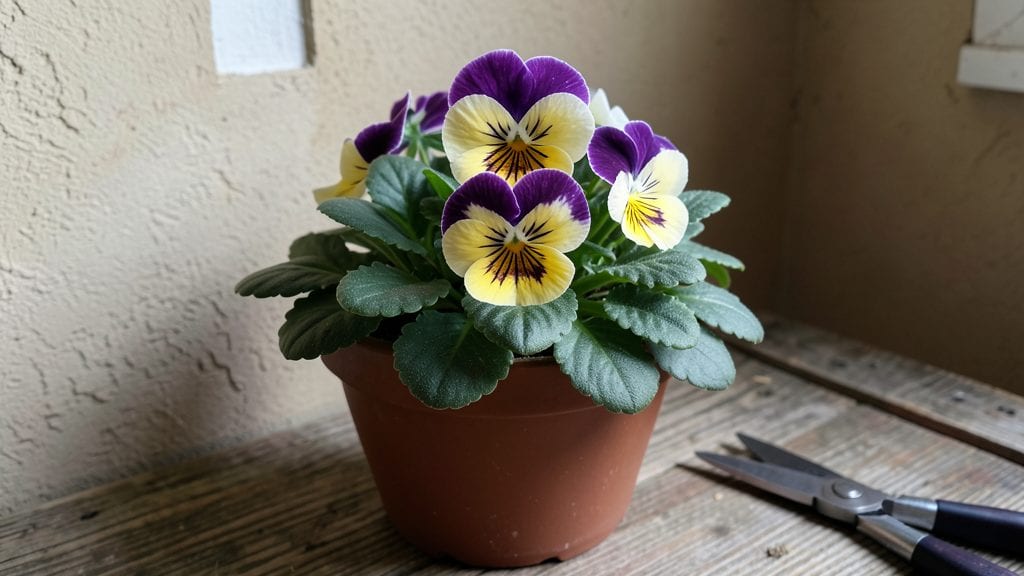
Growing pansies indoors brings that cheerful springtime look to your home all year—even when your yard is buried under snow. 💚 I’ve kept pansies thriving on my sunroom windowsill through winters so cold the outdoor plants froze solid, and the secret isn’t complicated.
These little powerhouses handle indoor conditions better than most flowers, but they do need the right balance of light, water, and a breathable pot to avoid those sad, leggy stems.
The key supplies are simple: a 6-inch container with drainage, well-draining potting mix (add perlite if yours packs too tightly), and a south- or west-facing window—or a grow light if your space is dim.
Pansies drink up water but hate soggy roots, so I check the top inch of soil daily in winter and weekly in summer. A gentle spray of water on their leaves keeps them dust-free and happy, though they’ll forgive you if you skip it.
By following this routine, you’ll get bold, velvety blooms that last for months, not just weeks. The flowers stay vibrant even in low light, and the plants bounce back from minor neglect—perfect for busy plant parents.
Plus, they deter pests naturally, so you won’t find aphids feasting on your windowsill garden like they do outdoors.
Works for apartments, offices, or even bathrooms with indirect light. The only real mistake I’ve made? Overcrowding the pot—pansies need room to breathe, or they’ll fight for nutrients and bloom less. Let’s get yours growing strong!
📚 In This Guide
- What you need
- Instructions
- Tips and common mistakes
- Wrapping up and next steps
What you need
- ● Pansy plants: 1–3 plants (choose cold-hardy varieties like Viola × wittrockiana for indoor success).
- ● Containers: 1–2 pots (6–8 inches in diameter) with drainage holes. Terracotta or ceramic works best.
- ● Potting mix: 1 bag (1–2 cubic feet) of well-draining, peat-based or coco coir mix (avoid heavy garden soil).
- ● Gravel or perlite: 1 small bag (for drainage layer, ~1 cup per pot).
- ● Watering can or spray bottle: 1 (with a gentle spray nozzle for hydration).
- ● Balanced liquid fertilizer: 1 bottle (5-10-5 or 20-20-20 ratio, diluted to half-strength).
- ● Pruning shears: 1 pair (for trimming dead blooms or leggy stems).
- ● Self-watering pot: Upgrades care for busy plant lovers.
- ● Grow lights: 1–2 LED bulbs (if natural light is <12 hours/day).
- ● Mulch (gravel or bark): Retains moisture and adds aesthetics.
- ● Plant labels: To track varieties and care tips.
- ● Humidity tray: For dry indoor climates (pebbles + water).
Step-by-Step instructions for growing pansies indoors
Here's my foolproof method for keeping pansies thriving year-round with minimal fuss.
🌱 Step 1: Choose the Right Containers and Soil Mix
Start with 4-inch diameter pots for each plant—pansies need room for their roots but don't want to be crowded. I use containers with drainage holes to prevent soggy soil, which pansies despise. Fill each pot with 1/3 potting mix and 1/3 perlite to ensure excellent drainage while retaining moisture.
Mix the soil and perlite thoroughly until it's light and airy. Press it down gently with your fingers—it should feel firm enough to hold the plant upright but still allow roots to spread easily. The right mix prevents waterlogging, which is pansies' biggest indoor enemy.
💧 Step 2: Plant and Water Gently
Remove your pansy from its nursery pot and loosen the roots if they're tightly bound. Place it in the prepared container, ensuring the top of the root ball sits just below the pot's rim. Fill the remaining space with more of your soil-perlite mix, pressing lightly around the edges to secure the plant.
Water immediately after planting until water flows freely from the drainage holes. Let it drain completely before placing the pot in its final spot. Pansies hate wet feet, so always check the soil's moisture level by sticking your finger 1 inch deep—water only when it feels dry to the touch.
☀️ Step 3: Position for Bright, Indirect Light
Pansies need 4-6 hours of bright, indirect light daily. A south- or east-facing window is ideal, but avoid harsh afternoon sun, which can scorch their delicate blooms. If your space lacks natural light, supplement with a grow light kept 6-12 inches above the plants for 12-14 hours daily.
Rotate the pots a quarter turn weekly so all sides get even light exposure. You'll notice leaves growing toward the light—this is your cue to adjust the pot's position. Pansies left in one spot often develop lopsided growth, which weakens their structure.
🌿 Step 4: Maintain Consistent Care for Blooms
Water pansies when the top 1 inch of soil feels dry, usually every 5-7 days depending on your home's humidity. I like to water in the morning so excess moisture evaporates during the day. Never let pansies sit in saucers of water—empty them immediately after watering.
Fertilize lightly every 4-6 weeks with a balanced, water-soluble fertilizer diluted to half strength. Over-fertilizing causes weak stems and fewer blooms. Deadhead spent flowers by pinching them off at the base—this encourages continuous blooming and keeps plants looking tidy.
✂️ Step 5: Prune and Refresh Seasonally
Trim back leggy stems in early spring to encourage bushier growth. Cut just above a set of leaves where new growth can emerge. This is also the time to repot if roots are circling the container—choose a pot only 1-2 inches larger in diameter to avoid overwhelming the plant.
In late summer or early fall, reduce watering slightly to signal dormancy. Trim back any yellowing leaves and reduce fertilization to every 8-10 weeks. With proper care, your pansies will reward you with vibrant blooms through multiple seasons indoors.
Tips & tricks for perfect indoor pansy care
Here's what I've learned after keeping pansies thriving for years—these small details make all the difference for vibrant, long-lasting blooms.
Soil Mix Secret: The 1:1 ratio of potting mix to perlite in Step 1 is crucial, but don't stop there. I like to add a handful of coarse sand to the mix—this improves aeration even more. After mixing, give the soil a light squeeze: it should hold its shape but crumble easily when you poke it. This texture prevents both waterlogging and drying out too quickly.
Light Positioning: When placing your pansies in Step 3, pay attention to the direction your windows face. South-facing windows provide the most consistent light, but east-facing windows offer gentler morning sun that's perfect for delicate pansy blooms. If using grow lights, position them just 6 inches above the plants at first—closer than the 6-12 inch range if your space is dim. Watch for leaves turning pale yellow as a sign they're getting too much light.
Watering Wisdom: The finger-check method in Step 2 and Step 4 is foolproof, but here's the pro move: use a chopstick or small dowel to mark the 1-inch depth in your pot. This visual cue makes it easy to track moisture levels without guessing. Also, water only until you see moisture coming out the drainage holes—overwatering is the #1 reason pansies struggle indoors. I've found that using room-temperature water prevents shocking the roots.
Fertilizer Timing: The 4-6 week fertilization schedule in Step 4 works well, but here's how to make it even better: alternate between a balanced fertilizer and one slightly higher in phosphorus (the middle number) every other feeding. This boosts blooming while maintaining healthy foliage. Always dilute to half strength—pansies are sensitive to salt buildup from fertilizers, which can burn their roots over time.
Pro Tips for Pansy Indoor Plant
- Here's what I've learned after keeping pansies thriving for years—these small details make all the difference for vibrant, long-lasting blooms.
- Soil Mix Secret: The 1:1 ratio of potting mix to perlite in Step 1 is crucial, but don't stop there.
- Light Positioning: When placing your pansies in Step 3, pay attention to the direction your windows face.
Frequently asked questions
Got questions about keeping your pansy indoor plant thriving? You’re not alone! Here are some of the most common queries—plus quick, practical answers to keep your blooms happy and healthy.
How often should I water my indoor pansy?
Water your pansy when the top inch of soil feels dry—usually every 5–7 days, depending on humidity and light. Overwatering is the #1 killer! Use a pot with drainage holes to prevent soggy roots. Pro tip: Check soil moisture with your finger before watering to avoid guesswork.
Can pansies survive winter indoors?
Pansies thrive indoors year-round, especially in bright, cool spots (60–70°F). They’ll even rebloom with proper care. Just avoid drafts or sudden temperature swings. Bonus: Place them near a north-facing window for natural light without scorching.
Why are my pansy leaves turning yellow?
Yellow leaves usually mean overwatering or nutrient deficiency. Adjust your watering schedule and fertilize lightly with a balanced liquid fertilizer every 4–6 weeks. If only the lower leaves yellow, it’s natural aging—trim them to encourage new growth!
Are pansies toxic to pets?
Yes, pansies are mildly toxic to cats and dogs if ingested. They contain saponins, which can cause drooling, vomiting, or skin irritation. Keep them out of paw’s reach or opt for pet-safe alternatives like African violets or spider plants.
Can I grow pansies from seed indoors?
It’s possible, but transplanting young seedlings is easier! Start seeds in moist soil at 60–65°F, keeping them under grow lights. Expect blooms in 8–10 weeks. Pro tip: Use seed-starting trays for better germination rates.
Wrapping up and next steps
Bringing a pansy indoor plant into your home isn’t just about adding vibrant color—it’s about embracing low-maintenance elegance that thrives year-round. 🌿 With its drought tolerance, cheerful blooms, and adaptability, this charming plant proves that beauty and ease go hand in hand.
Whether you’re a seasoned gardener or a beginner, pansies are your perfect indoor companion—just give them a cozy spot, a little love, and watch your space transform!
Ready to dive in? Start by picking your favorite variety and follow the steps above to turn your home into a blooming oasis. Happy planting! 🌸