
Pests
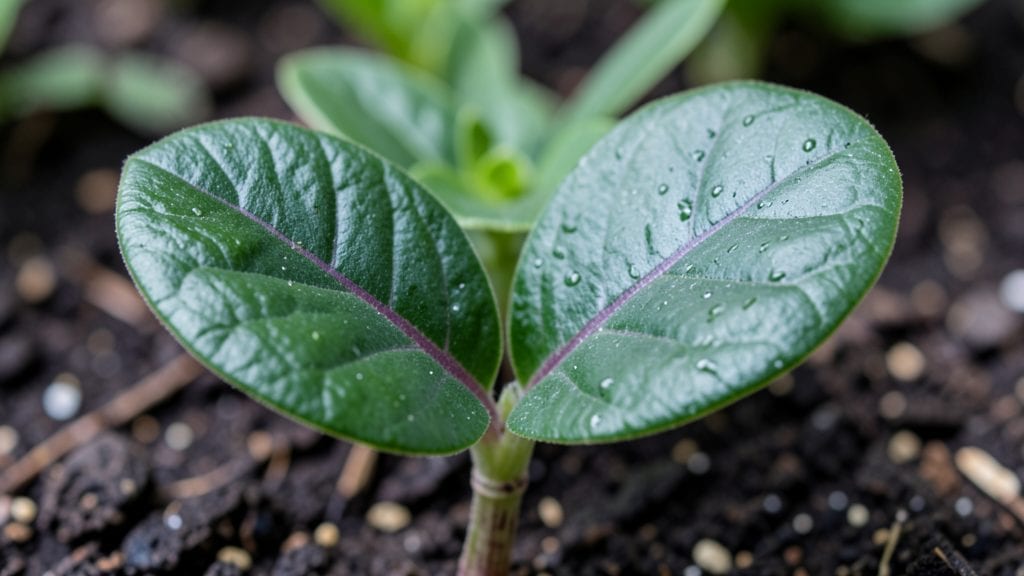
Growing deer ear plant transforms your garden into a drought-proof, velvety-green showstopper. 🌿 This succulent stunner thrives on neglect, its thick leaves storing water like nature’s built-in savings account. The secret lies in mimicking its desert roots—bright light, infrequent watering, and well-draining soil that mimics rocky terrain.
Start with cuttings (easier than seeds) and root them in cactus mix. Plant in containers or rocky beds where water drains fast—this plant hates soggy feet. A south-facing window or full sun spot keeps it happy, while winter temps above 20°F prevent frost damage.
Just watch for mealybugs lurking in leaf crevices, and wipe them away with rubbing alcohol.
By summer, your deer ear plant will reward you with jewel-toned blooms (yes, really!) and foliage so plush it looks fake. Pair it with agave or sedum for a low-water desert garden, or tuck it into containers for a pop of texture.
The toxic sap is a downside—keep it away from pets and kids.
Master this plant, and you’ll never water again—just watch it thrive. Whether in pots or ground, it’s the ultimate carefree beauty. Ready to grow yours?
📚 In This Guide
- What you need
- Instructions
- Tips and common mistakes
- Wrapping up and next steps
What you need
- ● Deer ear plant: 1 healthy cutting or small plant (6–12 inches tall) from a nursery or fellow gardener.
- ● Well-draining potting mix: 2–3 gallons (or a 6–8 inch pot) of a blend like cactus/succulent mix or regular potting soil amended with perlite or sand (1 part perlite to 3 parts soil).
- ● Container: A pot with drainage holes (8–12 inches wide) or a hanging basket for trailing varieties.
- ● Watering can or spray bottle: For gentle hydration—avoid soggy soil!
- ○ Fertilizer (optional but helpful): Balanced liquid fertilizer (10-10-10 or 20-20-20), diluted to half-strength.
- ● Worm castings or compost (1–2 tbsp mixed into soil for slow-release nutrients).
- ● Pruning shears or clean scissors: For trimming leggy stems or propagating cuttings.
- ○ Gloves (optional): To protect hands from sap if you’re sensitive.
- ● Bright, indirect light: A sunny windowsill (east or west-facing) or a grow light for 4–6 hours daily.
- ○ Humidity tray (optional): A pebble tray with water to boost moisture in dry climates.
- ● Pest control (preemptive!): Neem oil or insecticidal soap (if spider mites or aphids appear).
- ● Sticky traps for early pest detection.
Step-by-Step instructions for growing deer ear plant
This hardy succulent thrives with minimal fuss—here’s how to cultivate its striking foliage year-round.
🌱 Step 1: Select the Right Location and Soil
Deer ear plant (Pedilanthus tithymaloides) craves bright, indirect light—think east or west-facing windows or a shaded patio. Direct afternoon sun can scorch its velvety leaves, so avoid south-facing spots unless filtered through sheer curtains. I’ve found that a well-draining cactus/succulent mix works best, as this plant despises soggy roots.
Fill your 6-inch pot (or larger, depending on your plant’s size) with the mix, leaving ½ inch of space at the top for watering. Gently press the soil down to remove air pockets, but don’t compact it—succulents need loose, breathable soil to prevent rot. If your mix lacks perlite or pumice, add a handful to improve drainage.
☀️ Step 2: Water Sparingly and Monitor Soil Moisture
Water only when the top 1-2 inches of soil feel completely dry to the touch—this usually means every 2-3 weeks in cooler months and every 3-4 weeks in summer. Overwatering is the fastest way to kill deer ear plant, so I use the "soak-and-dry" method: water deeply until it drains from the bottom, then let excess liquid run out completely.
Check moisture by sticking your finger into the soil—if it’s damp past the first knuckle, wait another week. Yellowing leaves or mushy stems signal overwatering, while wrinkled, shriveled leaves mean it’s thirsty. This plant’s drought tolerance is legendary, but don’t push it—even succulents need occasional hydration.
✂️ Step 3: Prune for Shape and Encourage Bushiness
Pinch back the tips of new growth when stems reach 4-6 inches to encourage a fuller, bushier plant. Use clean, sharp scissors to snip just above a leaf node, where new branches will sprout. I prune mine in early spring to shape it and propagate cuttings—simply place the clippings in dry soil, and they’ll root in 2-3 weeks without water.
Remove any leggy or overcrowded stems by cutting them at the base. This improves airflow and prevents fungal issues. Deer ear plant blooms occasionally, but the flowers are modest—focus on maintaining those lush, deer-ear-shaped leaves for the best visual impact. Deadhead spent blooms to redirect energy into foliage growth.
🪴 Step 4: Fertilize Lightly and Repot as Needed
Feed your deer ear plant once in spring with a balanced, diluted liquid fertilizer (half-strength, 10-10-10). Over-fertilizing burns roots and causes salt buildup in the soil, so less is more. I skip fertilizer entirely in winter, when the plant’s growth slows naturally. Flush the soil with water every 3-4 months to prevent salt accumulation.
Repot every 2-3 years or when roots circle the pot’s bottom. Choose a container just 1-2 inches larger in diameter—deer ear plant prefers being slightly root-bound, which encourages dense growth. Spring is the ideal time to repot, as the plant enters its active growing phase. Use fresh cactus mix and avoid disturbing the root ball too much.
⏰ Step 5: Protect from Pests and Seasonal Shifts
Watch for mealybugs or spider mites, which love the plant’s fuzzy leaves. Wipe leaves with a damp cloth weekly to deter pests, and treat infestations early with neem oil or insecticidal soap. I’ve found that increasing humidity slightly (by placing the pot on a tray of pebbles and water) keeps mites at bay during dry indoor air.
In winter, reduce watering to every 4-6 weeks and move the plant away from cold drafts or heating vents. Deer ear plant tolerates temperatures down to 50°F, but prolonged exposure to below 40°F can damage it. If growing outdoors in mild climates, bring it inside before frost—its tender stems won’t survive freezing.
Tips & tricks for perfect deer ear plant care
These hard-earned insights will help you cultivate a thriving deer ear plant that stays vibrant and healthy with minimal effort.
Lighting Strategy: Deer ear plant's velvety leaves can actually burn in direct afternoon sun, even though it loves bright conditions. I’ve learned to position mine near an east-facing window to capture morning light without risking scorching. If you notice leaves turning yellow or crispy at the edges, it’s a sign to move it back a few inches from the window. For indoor growers, a simple test is to place your hand near the plant—if you can’t hold it there comfortably for 30 seconds, the light is too intense.
Soil Science: The secret to preventing root rot lies in that well-draining cactus mix. I always add an extra handful of perlite or pumice to my mix—about 20% of the total volume—to create air pockets that mimic its natural desert environment. This loose structure prevents water from pooling around the roots, which is crucial since deer ear plant despises soggy conditions. Pro tip: Tap the sides of your pot gently after watering to help settle the soil and eliminate hidden air pockets that could trap moisture.
Pruning Technique: When pruning those leggy stems in Step 3, don’t just cut at random—always snip just above a leaf node where new growth will emerge. I’ve found that using clean, sharp scissors (or even a knife) makes all the difference in preventing jagged cuts that can invite disease. For propagation, I let my cuttings dry out for 24 hours before planting them in dry soil—this callusing process helps prevent rot when they eventually root in 2-3 weeks.
Seasonal Adaptation: The temperature thresholds of 50°F and 40°F aren’t just arbitrary numbers—they mark critical survival points for deer ear plant. I keep mine away from drafty windows in winter, but I’ve noticed that even brief exposure to temperatures below 50°F can cause the leaves to pucker slightly. For outdoor growers in mild climates, I recommend bringing your plant inside before nighttime temperatures drop below 50°F, even if daytime highs are comfortable. This simple precaution has saved my plants from winter damage multiple times.
Pro Tips for Deer Ear Plant
- These hard-earned insights will help you cultivate a thriving deer ear plant that stays vibrant and healthy with minimal effort.
- Lighting Strategy: Deer ear plant's velvety leaves can actually burn in direct afternoon sun, even though it loves bright conditions.
- Soil Science: The secret to preventing root rot lies in that well-draining cactus mix.
Frequently asked questions
What’s the best time to plant deer ear plants?
Deer ear plants thrive in spring or early summer after the last frost, when soil temps hit at least 60°F (15°C). If you’re in a warm climate, you can plant in late winter for year-round color. Avoid planting in hot summer months—they prefer gentle warmth over scorching heat!
Why are my deer ear plant leaves turning yellow or brown?
Yellowing leaves often mean overwatering (deer ear plants hate soggy roots!), while brown edges signal underwatering or low humidity. Check soil moisture—it should stay lightly damp but never waterlogged. If leaves crisp, move your plant to a shadier spot or increase humidity with a pebble tray.
Can deer ear plants survive winter outdoors?
In USDA zones 9–11, deer ear plants are perennial and can overwinter outdoors with mulch protection. In colder zones (8 or below), treat them as annuals or bring pots indoors before frost. If you must leave them out, cut back foliage and cover with straw for insulation.
Are there deer ear plant alternatives for full sun?
If your deer ear plants struggle in full sun, try these tougher lookalikes:
- Lantana – Drought-proof, blooms nonstop, and attracts pollinators!
- Sweet potato vine – Fast-growing, sun-loving, and great for hanging baskets.
- Zinnias – Bright, long-lasting flowers that thrive in heat.
How do I prevent pests like spider mites or aphids?
Deer ear plants are pest-resistant, but spider mites or aphids may appear in dry, dusty conditions. Prevent them by:
- Misting leaves weekly to boost humidity.
- Wiping foliage with neem oil (mix 1 tsp per quart of water).
- Avoiding overcrowding—ensure good airflow.
Wrapping up and next steps
The deer ear plant is a stunning, low-maintenance addition to any garden, offering vibrant foliage and resilience in even the driest conditions. With its drought-tolerant nature and year-round appeal, it’s perfect for busy gardeners or those seeking a pop of color with minimal effort.
Whether you’re a seasoned gardener or just starting out, this plant proves that beauty doesn’t require constant care—just a little love and the right conditions!
Ready to bring some wow to your outdoor space? Grab your supplies, follow the steps, and watch your garden transform with this easygoing superstar. Happy planting! 🌿✨