
Planting
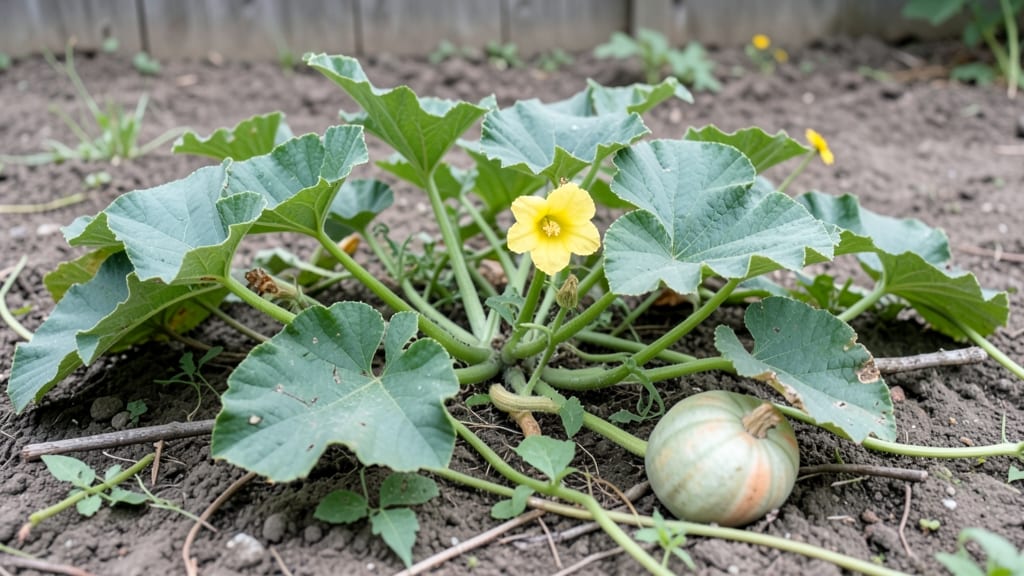
Growing pumpkins from seed to harvest turns your garden into a sun-dappled jungle of vines and giant fruit—if you nail these planting tips first. I’ve learned the hard way that pumpkin success starts with soil that’s rich and loose, not just any old dirt from the yard.
The difference between a few small gourds and a bounty of 20-pound monsters often comes down to the prep work you do before the first sprout even pokes through.
Plant seeds directly in the ground after all frost danger has passed, about 1 inch deep and 2–3 feet apart, since vines spread like crazy. They crave full sun—at least 8 hours daily—and water that’s consistent but never soggy.
The biggest mistake I see? Letting the soil dry out, which causes blossom-end rot or poor fruit set. A 5-gallon bucket of water per plant, twice a week, keeps them happy without drowning the roots.
By midsummer, you’ll be pruning those sprawling vines to focus energy on fruit development—pinch off suckers (the little shoots between main stems and leaves) to encourage stronger growth. The real payoff comes in late September when you’re harvesting pumpkins with thick, hard rinds and vibrant orange skin.
Store them in a cool, dry spot, and you’ll have Thanksgiving centerpieces that look like they came from a farm stand.
Now, here’s the kicker: even with perfect conditions, powdery mildew can still show up. That’s why I spray my plants every 10 days with a mix of baking soda and water—it’s organic, cheap, and saves my vines every season.
Ready to grow pumpkins that make your neighbors jealous? Let’s get those seeds in the ground.
📚 In This Guide
- What you need
- Instructions
- Tips and common mistakes
- Wrapping up and next steps
What you need
- ● Pumpkin seeds: Choose disease-resistant varieties (e.g., 'Howden' or 'Jack Be Little'). Start with 3–5 seeds per plant (thin to 1–2 strong seedlings later).
- ● Well-draining soil: A mix of 60% topsoil, 30% compost, and 10% perlite/sand (pH 6.0–6.8). Test soil fertility beforehand!
- ● Fertilizer: Balanced 10-10-10 (1 tbsp per plant at planting).
- ● High-nitrogen (e.g., blood meal) (1 tbsp) when vines start spreading (4–6 weeks in).
- ● Potassium-rich (e.g., banana peel tea or 5-10-10) when flowers appear.
- ● Watering supplies: Drip irrigation or a garden hose with a gentle spray nozzle (pumpkins need 1–2 inches of water weekly).
- ○ Support structures (optional but helpful): Trellis or fence (for bush varieties or small spaces).
- ● Straw or landscape fabric (to protect vines from soil-borne diseases).
- ● Garden trowel or shovel (for planting seeds 1–2 inches deep).
- ● Pruning shears (to trim excess vines or dead leaves).
- ● Gloves (pumpkin vines can be prickly!).
- ● Row cover or shade cloth (to protect seedlings from pests like squash bugs).
- ● Measuring tape (pumpkins need 50–100+ square feet to sprawl!).
- ● Sunlight: Full sun (6–8+ hours daily)—pumpkins are sun-worshippers! 🌞
- ● Warmth: Soil temps above 60°F (15°C) (wait until after the last frost).
- ● Space: 3–6 feet between plants (or 10+ feet for giant varieties like 'Atlantic Giant').
- ● Pest control: Neem oil or row covers to deter squash vine borers and cucumber beetles.
Step-by-Step instructions for growing healthy pumpkin vines
Here’s how to transform your garden into a pumpkin patch with strong vines and abundant fruit.
Choose the Right Location and Prepare the Soil
Pumpkins thrive in full sun, so pick a spot that gets at least 8 hours of sunlight daily. Avoid low-lying areas where cold air settles—pumpkin seedlings are sensitive to frost. Work the soil to a depth of 12 inches, breaking up any compacted areas so roots can spread easily.
Incorporate 2-3 inches of compost into the top 6 inches of soil to improve drainage and fertility. Pumpkins are heavy feeders, so rich soil prevents weak vines and poor fruit set. Test your soil pH—aim for 6.0 to 6.8. If your soil is too acidic, mix in lime to adjust it before planting.
Plant Seeds at the Correct Depth and Spacing
Sow seeds 1-1.5 inches deep, spacing them 2-3 feet apart in all directions. Pumpkin vines spread aggressively, so give them room to sprawl without crowding. Plant 4-5 seeds per hill (a small mound of soil) to ensure at least one strong plant emerges per spot.
Wait until the soil temperature reaches at least 60°F before planting—cold soil slows germination and can rot seeds. After planting, water gently but thoroughly to settle the soil around the seeds. Keep the planting area moist until germination, which typically takes 5-10 days.
Thin Seedlings and Train Vines for Maximum Growth
Once seedlings have 2-3 true leaves, thin them to 1-2 strongest plants per hill. Use scissors to snip weaker stems at the base—avoid pulling to prevent disturbing the roots of remaining plants. This step ensures the surviving vines get enough nutrients and sunlight to produce large, healthy fruit.
When vines reach 3-4 feet long, start guiding them in one direction to save space and improve air circulation. Use straw or hay to create a path for vines to follow, or gently weave them through a trellis if growing vertically. Strong, directed growth reduces disease risk and makes harvesting easier.
Fertilize and Water for Abundant Fruit Production
Feed vines with a balanced fertilizer (10-10-10) when flowers appear, then switch to a low-nitrogen, high-phosphorus formula (5-10-10) once fruit starts forming. Over-fertilizing with nitrogen encourages leafy growth at the expense of pumpkins. Apply fertilizer every 3-4 weeks during the growing season.
Water deeply 1-2 times per week, aiming for 1-2 inches of water per week. Pumpkins need consistent moisture, especially during flowering and fruit development. Water at the base of the plant in the morning to reduce fungal diseases. Let the soil dry slightly between waterings—soggy conditions lead to rot and blight.
Monitor for Pests and Diseases Early
Keep an eye out for squash vine borers, powdery mildew, and cucumber beetles, which are common pumpkin pests. Remove affected leaves immediately and destroy them to prevent spread. For borers, wrap the base of the vine with aluminum foil to deter egg-laying.
Improve airflow around vines by pruning excess foliage that blocks sunlight. If powdery mildew appears, spray with a baking soda solution (1 teaspoon baking soda + 1 quart water + a drop of dish soap) every 7-10 days until the problem clears. Healthy vines resist pests better than stressed ones.
Tips & tricks for perfect pumpkin vine growth
Growing pumpkins successfully comes down to a few key tricks that make all the difference between healthy vines and disappointing results.
Soil Preparation is Everything: The 12-inch deep soil preparation in Step 1 isn't just about loosening the earth—it's about creating an oxygen-rich environment for those massive roots. I've found that adding a handful of coarse sand to the bottom 6 inches helps with drainage, especially if your soil tends to stay damp. This prevents root rot, which can silently kill your pumpkin plants before they even show signs of trouble.
Timing Your Planting: That 60°F soil temperature minimum in Step 2 is crucial, but don't wait until the last possible moment to plant. I plant my seeds when soil reaches 65°F—just a little warmer than the minimum—and germination happens in about 5 days instead of the full 10-day range. The extra warmth gives you a head start on the growing season, which pays off when vines spread faster and produce fruit earlier.
Thinning Technique Matters: When you're thinning to 1-2 strongest plants per hill in Step 3, use sharp scissors to cut stems at the base rather than pulling. I learned this the hard way when I yanked plants out and accidentally pulled up the roots of neighboring seedlings. The clean cut prevents disturbing the soil structure and gives your remaining plants a stronger start. Also, save those cuttings—you can root them in water for new plants!
Watering Wisdom: The 1-2 inches of water per week guideline in Step 4 works well, but timing matters just as much. I water my pumpkins using a soaker hose in the early morning, aiming for the base of the plants rather than overhead. This routine prevents fungal diseases that love damp foliage and ensures water reaches the roots where it's needed most. During fruit development, I increase to 2 inches per week, but I split it into two waterings—once in the morning and once in the late afternoon—to maintain consistent moisture.
Pro Tips for Pumpkin Plant Tips
- Growing pumpkins successfully comes down to a few key tricks that make all the difference between healthy vines and disappointing results.
- Soil Preparation is Everything: The 12-inch deep soil preparation in Step 1 isn't just about loosening the earth—it's about creating an oxygen-rich environment for those massive roots.
- Timing Your Planting: That 60°F soil temperature minimum in Step 2 is crucial, but don't wait until the last possible moment to plant.
Frequently asked questions
Got questions about growing pumpkins?
You’re not alone! Here are answers to the most common queries—from planting to harvest—so you can grow like a pro.
When is the best time to plant pumpkin seeds?
Pumpkins thrive in warm soil, so wait until after the last frost when temperatures stay above 70°F (21°C) for at least a week. For most regions, this means planting in late spring to early summer (May–June). Start seeds indoors 2–4 weeks early if your growing season is short.
How long does it take for pumpkins to grow?
Pumpkin vines take 75–100 days to mature, depending on the variety. Smaller types (like Jack Be Little) may be ready in 75–85 days, while giant varieties (like Atlantic Giant) can take up to 120 days. Check seed packets for exact timelines!
How much water do pumpkin plants need?
Pumpkins need 1–2 inches of water per week, especially during flowering and fruiting. Water deeply at the base (not the leaves) to prevent disease. Consistency is key—avoid letting soil dry out completely, but also don’t overwater, as soggy roots invite rot. Mulch helps retain moisture!
What should I do if my pumpkin flowers fall off?
Dropping flowers are often caused by temperature swings (below 55°F/13°C) or not enough pollinators. Hand-pollinate by transferring pollen with a paintbrush or cotton swab from male (long stem) to female (small fruit at base) flowers. Also, ensure your plants get full sun (6–8 hours/day) and balanced fertilizer.
Can I grow pumpkins in containers?
Yes! Choose large containers (5+ gallons) with drainage holes and use a lightweight potting mix. Opt for bush varieties (like Sugar Pie) over vining types, as they stay compact. Place containers in a sunny spot, water regularly, and expect smaller yields than in-ground plants.
How do I store harvested pumpkins long-term?
Clean and cure pumpkins in a dry, warm (80–85°F/27–29°C) spot for 7–10 days. Once cured, store them in a cool (50–55°F/10–13°C), dark, and humid-free place (like a garage). Check weekly for soft spots—healthy pumpkins last 2–3 months.
Wrapping up and next steps
Growing pumpkins is a rewarding journey that combines patience, care, and a little creativity! 🌱 With the right pumpkin planting tips—from selecting healthy seeds and spacing vines properly to mastering pruning and pest control—you’ll be well on your way to a bountiful harvest.
Remember, even the most seasoned gardeners face challenges, so don’t hesitate to experiment and learn along the way.
Now that you’re armed with these season-long hacks, why not take the next step? Share your progress with fellow gardening enthusiasts, document your pumpkin’s growth, or even plan a fun fall festival around your harvest. Happy planting—your future pumpkin patch awaits! 🎃✨