
Diseases
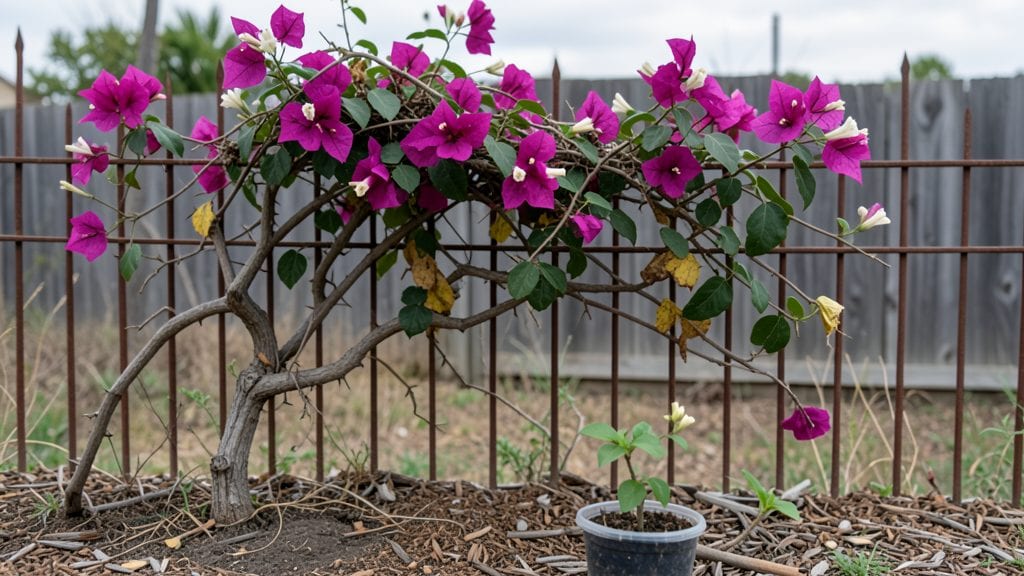
Before you plant bougainvillea, check your bougainvillea planting zones—USDA Zones 9–11—where the heat fuels its vibrant blooms and frost stays far away.
Want vibrant bougainvillea blooms year after year? Planting in the right zone isn’t just about latitude—it’s about understanding heat tolerance, frost sensitivity, and microclimates that can push your bougainvillea to thrive where others fail.
Outside its native range, even a few degrees of winter chill can kill these tropical beauties, but with the right tricks—like container growing or winter wraps—you can coax them into blooming in cooler climates too.
Here’s how to match your zone, soil, and sunlight to keep your bougainvillea bursting with color, no matter where you live.


USDA hardiness zones for bougainvillea: where to plant for maximum blooms
Bougainvillea thrives in USDA zones 9-11, where warm climates and minimal frost create ideal conditions for its vibrant blooms. This tropical beauty needs consistent heat and well-draining soil to flourish, making it a star in Mediterranean and desert landscapes.
Without proper zone awareness, even experienced gardeners risk frost damage or stunted growth, so let's break down the specifics.
In zone 9, bougainvillea can survive light frosts (down to 20°F) if protected, while zones 10-11 offer frost-free winters perfect for year-round growth. The key difference lies in winter care—whether you need to mulch heavily or bring pots indoors.
Let’s explore how to maximize blooms in each zone.
🌱
In zone 9, where temperatures can dip below 20°F, bougainvillea needs protective measures like mulching with straw or bark and wrapping container plants in burlap. Prune back damaged branches in early spring to stimulate new growth.
The trade-off? Delayed blooming until summer, but with proper care, you’ll see stunning color from June to October.
Zones 10-11 offer frost-free winters, allowing bougainvillea to bloom year-round with minimal stress. Here, focus on pruning for shape and fertilizing lightly every 6-8 weeks to encourage continuous flowers. Varieties like 'California Gold' and 'Thornless' thrive here, reaching mature heights of 20+ feet without winter dormancy.
For zone 9 gardeners, microclimates matter—plant near south-facing walls or patios to absorb heat during the day and release it at night. In containers, use terracotta pots (which retain heat) and move them indoors when night temps drop below 40°F.
This simple shift can save your plant and preserve blooms.
One common mistake is assuming all bougainvillea are frost-hardy. While some hybrids tolerate brief cold snaps, most native varieties will suffer leaf drop or dieback below 25°F. Test your plant’s resilience by monitoring nightly temps—if they drop below 30°F, cover it immediately.
Soil drainage is another critical factor across all zones. Bougainvillea hates soggy roots, so amend clay-heavy soils with perlite or sand to prevent root rot.
In zones 10-11, sandy or gravelly soils mimic its natural habitat, while zone 9 may need raised beds for optimal airflow.
To boost blooms, feed your bougainvillea with a low-nitrogen fertilizer (like 7-9-5) in spring and summer. Avoid over-fertilizing, which promotes foliage over flowers. In zone 11, year-round feeding is safe, but zone 9 should stop fertilizing by October to prep for dormancy.
For container growers in zones 8 and below, choose dwarf varieties like 'Santa Catalina' (6-10 ft) and overwinter indoors near a sunny window. Reduce watering frequency in winter to prevent root rot—most bougainvillea enter dormancy when days shorten, so water only when soil is dry.
🌸
Microclimate hacks to grow bougainvillea outside its native zones
Expanding bougainvillea's range beyond its native USDA zones 9-11 requires creativity and strategic planning. With the right microclimate adjustments, you can grow these vibrant plants in zones 8 and below—even in colder climates. The key lies in understanding how to mimic tropical conditions where they don't naturally occur.
Bougainvillea thrives in heat and drought, but its frost sensitivity makes winter survival the biggest challenge. By leveraging container mobility, windbreaks, and soil amendments, you can create ideal growing conditions. Let's explore the most effective strategies to push bougainvillea's limits.
-
1. Container Culture for Mobility
Use large, lightweight containers (15+ gallons) with drainage holes to move plants indoors before 32°F (0°C) frost. Choose thornless varieties like 'California Gold' for easier handling. Add perlite or pumice to soil for better drainage. -
2. Wind Protection Barriers
Install bamboo screens or lattice fences to shield plants from cold winds that accelerate frost damage. Place bougainvillea near south-facing walls to absorb daytime heat. In containers, use windbreaks made of straw bales for extra insulation. -
3. Soil Heat Retention
Amend soil with coarse sand or gravel (30% mix) to improve drainage and heat absorption. Add black plastic mulch around the base to raise soil temperature by 5-10°F during the day. Avoid organic mulch, which retains moisture and encourages rot. -
4. Seasonal Adjustments for Zone 8
In zone 8, plant bougainvillea in spring after last frost (typically April). Apply anti-desiccant spray in late fall to reduce moisture loss. Overwinter potted plants in a garage or shed with grow lights (12 hours/day) to maintain growth. -
5. Frost-Defying Pruning
Prune after flowering (late summer/fall) to remove weak, leggy growth that’s more vulnerable to frost. Leave 3-4 strong buds per stem to encourage bushier regrowth. Avoid heavy pruning in late fall, as new growth is frost-sensitive.
For gardeners in zone 7 and below, consider treating bougainvillea as an annual or overwintering houseplant. Start with cuttings in early spring and replant outdoors after the last frost. This approach ensures you still enjoy summer blooms without risking winter damage to the main plant.
Don't underestimate the power of location selection within your yard. A south-facing microclimate near a heat-absorbing wall can add 5-10°F of warmth compared to open areas. Pair this with drought-tolerant soil and minimal winter watering, and you’ll create a near-ideal environment for bougainvillea.
With these microclimate hacks, you can grow bougainvillea almost anywhere—proving that latitude isn’t the only factor in successful gardening. Experiment with these techniques, and you’ll be rewarded with bold, vibrant blooms even in cooler climates! 🌿☀️🪴