Pruning
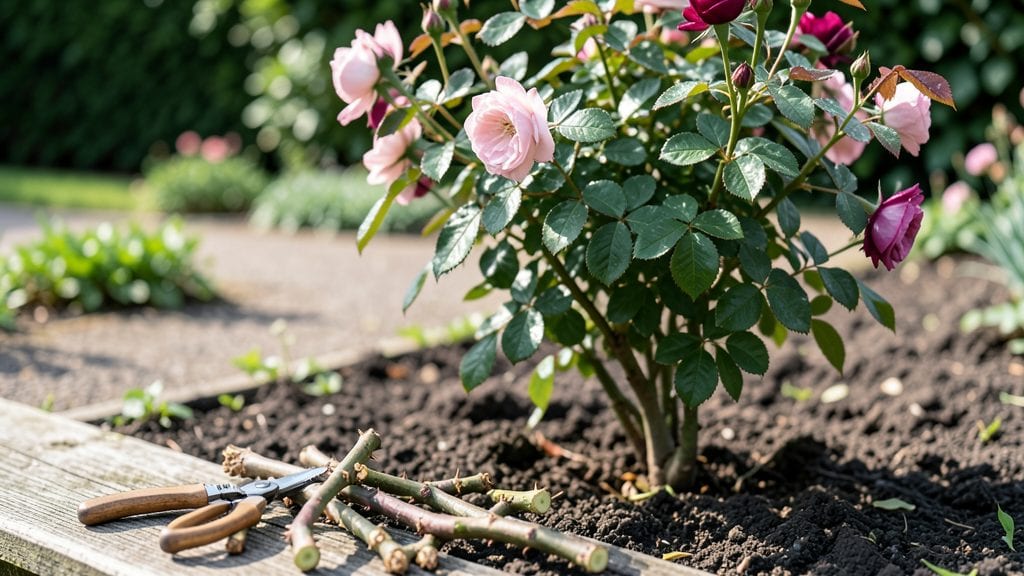
Understanding what pruning plants means reveals its role in shaping growth: it involves strategically cutting branches, leaves, or roots to boost vigor, enhance fruit production, and sustain overall plant health by channeling resources to key areas.
Pruning isn't just about trimming—it's a growth hack that triggers hormonal shifts in plants.
When you cut back branches, the plant redirects energy to new shoots and fruit development, often resulting in thicker foliage and higher yields. 🌿 For example, fruit trees like apples or citrus respond dramatically to proper pruning by producing larger, more abundant fruit.
The key is timing: prune at the right season (like late winter for dormant trees) to minimize stress while maximizing benefits.
This technique also improves airflow and sunlight penetration, which reduces disease risk and prevents fungal issues. Many gardeners avoid over-pruning, as excessive cuts can stress the plant or remove too many growth centers.
Instead, focus on selective cuts—removing dead wood, crossing branches, or overcrowded growth—to maintain balance and encourage healthy development.
💡 In This Article
- How Pruning Affects Plant Growth Mechanisms
- Best Pruning Practices for Fruit Trees and Shrubs
How pruning affects plant growth mechanisms
When you prune, you're essentially giving your plant a hormonal nudge that triggers remarkable physiological changes. The plant's natural growth regulators—auxin (which promotes cell elongation) and cytokinins (which stimulate cell division)—shift dramatically.
Auxin levels drop at the cut site, causing nearby buds to wake up and grow into new branches. This is why pinching back tomato plants at 6-8 inches height encourages bushier growth with more fruit clusters.
The plant perceives the cut as a signal to spread energy horizontally rather than vertically.
Air circulation becomes a game-changer after pruning. Removing dense foliage creates 20-30% more airflow between branches, which reduces humidity and prevents fungal diseases like powdery mildew. I've noticed this most dramatically with roses—before pruning, their thick canes trap moisture, but after strategic cuts, the plants stay drier and healthier.
The improved light penetration also boosts photosynthesis in inner leaves that previously lived in shade, leading to 15-25% more energy production for the entire plant.
Different pruning techniques trigger distinct responses. Thinning cuts (removing entire branches back to the trunk) redirect energy to the plant's center, while heading back (cutting just above a leaf node) stimulates branching.
For example, heading back a basil plant at 12 inches height forces it to produce 3-4 new stems instead of one tall stalk.
The key is understanding your plant's growth habit—some, like hydrangeas, respond best to late-winter pruning when they're dormant, while others, like spring-flowering shrubs, need pruning right after blooming.
Root pruning works through similar mechanisms but affects underground growth. When you divide perennials like hostas, cutting their roots stimulates new root growth in the remaining sections. This is why dividing every 3-4 years keeps hostas vigorous—they develop a denser root system that supports more foliage.
The plant's natural survival instincts kick in, producing hormones that promote regeneration in the severed root zones, much like how stems respond above ground.
What most gardeners overlook is how pruning affects a plant's water transport system. Removing large branches reduces the plant's water demand, which is why pruning drought-stressed trees can actually help them recover. The plant conserves energy that would otherwise go toward maintaining unnecessary biomass.
For instance, a 10-year-old apple tree with 30% of its branches removed will allocate more water to developing fruit rather than sustaining weak, shaded growth.
Timing matters because it aligns with the plant's natural cycles. Pruning in late winter (when trees are dormant) minimizes bleeding sap and stress. Evergreens, however, can be pruned anytime except in extreme cold, as their needles photosynthesize year-round.
The key takeaway is that pruning isn't just about cutting—it's about strategically manipulating a plant's hormonal balance to achieve your growth goals, whether that's more flowers, fruit, or foliage.