Picking
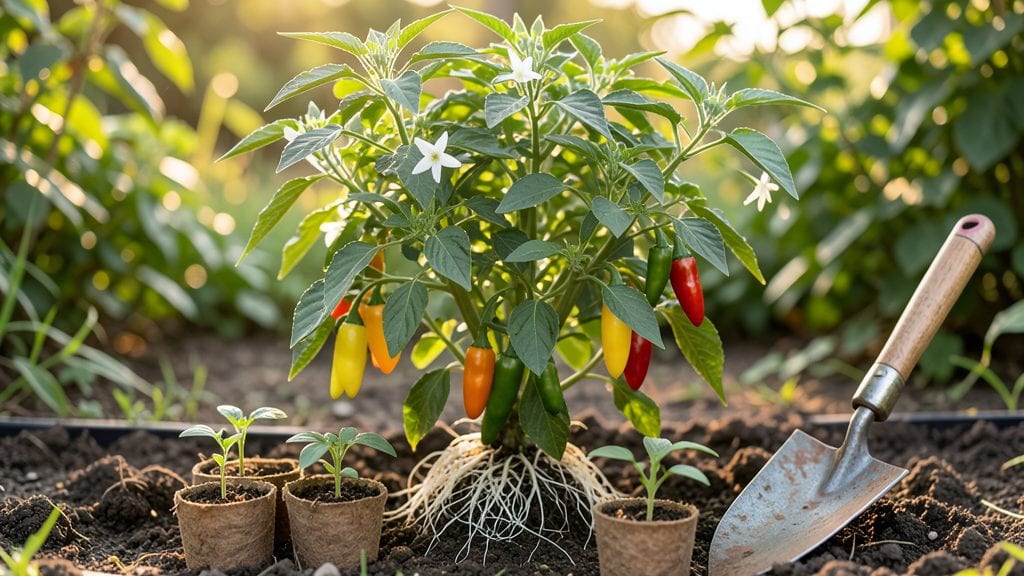
Planting habanero peppers means trading mild disappointment for a harvest that’ll make your neighbors back away with watery eyes. 🌶️ I’ve grown these fiery little plants for years, and the secret isn’t just heat tolerance—it’s about mimicking their tropical roots while keeping them from bolting too soon.
The right soil, spacing, and sunlight turn a handful of seeds into a bush that produces peppers so hot they need warning labels.
You’ll need well-draining soil mixed with compost (think 60% soil, 40% organic matter), containers at least 12 inches deep if growing in pots, and a spot that gets full sun—at least 6-8 hours daily. Habaneros hate cold feet, so wait until nighttime temps stay above 55°F before transplanting.
Water deeply but infrequently—these plants despise soggy roots, and overwatering is the fastest way to lose them before they even set fruit.
By mid-summer, you’ll be snipping peppers that start green and ripen to orange, red, or even chocolate brown. The first harvest is always a thrill, but the real magic happens when you let a few mature fully—they’ll pack 100,000-350,000 Scoville heat units, turning every slice into a challenge.
Pair them with basil or cilantro for a natural flavor balance, and keep an eye out for aphids, which love young habanero leaves.
Works in containers or in-ground, in zones 9-11 and as annuals in cooler climates. The key? Patience—habaneros take 90-120 days to mature, but every scorching pepper is worth the wait. Ready to grow something that’ll leave an impression?
📚 In This Guide
- What you need
- Instructions
- Tips and common mistakes
- Wrapping up and next steps
What you need
- ● Habanero seeds – Choose a variety like ‘Carolina Reaper’, ‘Jalapeño M’, or ‘Orange Habanero’ (5–10 seeds for a small harvest, 20+ for a full garden).
- ● Containers or garden beds – 5–10 gallon pots (if container-growing) with drainage holes, or a sunny, well-draining garden spot (6+ hours of sunlight daily).
- ● High-quality potting mix – 50% organic matter (peat moss, coconut coir, or compost) + 50% perlite/sand for aeration (1–2 bags per plant).
- ● Fertilizer – Balanced 10-10-10 or organic options like fish emulsion (mix 1 tbsp per gallon of water every 2–3 weeks).
- ● Watering can or hose with a gentle nozzle – Habaneros hate soggy roots! Aim for 1–1.5 inches of water per week.
- ● Plant labels & markers – Trust us, you’ll forget which plant is ‘Pain Killer’ vs. ‘Chocolate Habanero’!
- ● Pruning shears or scissors – For trimming leggy stems or dead leaves (sterilize with rubbing alcohol).
- ○ Row covers or shade cloth (optional but helpful) – If your climate dips below 50°F (10°C), protect seedlings with lightweight fabric.
- ● Grow lights – If starting indoors, use LED grow lights (12–16 hours/day) until seedlings are hardened off.
- ● Epsom salt – Sprinkle 1 tbsp per plant monthly for a magnesium boost (helps prevent blossom-end rot).
- ● Coffee grounds – Mix into soil to lower pH (habaneros love acidic soil, pH 6.0–6.8).
- ● Pollination aid – A small paintbrush to hand-pollinate flowers if bees are scarce (habaneros are self-pollinating but benefit from a nudge!).
- ● Harvest gloves – Thick gardening gloves to protect your hands from serious heat (or just tears from laughing at your spice tolerance!).
Step-by-step guide to planting habanero peppers
Here’s how to grow fiery, productive habanero plants—no guesswork, just bold results.
🌱 Step 1: Start Seeds Indoors Early
Habaneros need a long, warm season, so begin seeds indoors 8-10 weeks before your last frost date. Fill 3-inch biodegradable pots with sterile seed-starting mix—never garden soil, which can harbor diseases. Press the mix down lightly so it’s firm but not compacted, then moisten it until evenly damp.
Plant 2-3 seeds per pot at a depth of ¼ inch, just below the soil surface. Cover lightly with a sprinkle of mix, then mist gently with water. Place the pots in a warm spot (75-85°F)—a seedling heat mat speeds germination dramatically. Keep the soil consistently moist but not soggy; habanero seeds rot easily if overwatered.
☀️ Step 2: Provide Bright Light Immediately
The instant seedlings emerge, they need 14-16 hours of light daily. A south-facing window is ideal, but most homes don’t provide enough intensity, so supplement with a grow light placed 2-4 inches above the plants. Without sufficient light, seedlings stretch weakly (called "leggy") and never recover.
Watch for first true leaves—the second set after the initial cotyledons—to appear in 2-3 weeks. At this stage, fertilize lightly with a balanced, water-soluble fertilizer (half-strength) to encourage strong root development. Rotate pots weekly so plants grow straight, not lopsided toward the light.
🪴 Step 3: Transplant After All Frost Risk Passes
Wait until nighttime temperatures stay above 60°F before moving habaneros outdoors. Harden off seedlings by placing them outside in a sheltered spot for 1-2 hours daily, gradually increasing time over 10-14 days. This toughens them for the garden and prevents shock.
Choose a sunny, sheltered spot with well-draining soil—habaneros hate soggy roots. Dig holes twice as wide as the pots but no deeper. Gently remove seedlings, place them in holes, and fill with soil, pressing lightly around the base. Space plants 18-24 inches apart to allow airflow and reduce disease risk.
💧 Step 4: Water Deeply and Mulch
Water habaneros deeply once a week, soaking the soil to 12 inches deep. Shallow watering stresses plants and leads to weak fruit. Use a drip irrigation system or water at the base—never overhead—to prevent fungal diseases like powdery mildew, which thrives in damp foliage.
Apply 2-3 inches of mulch (like straw or shredded leaves) around plants to retain moisture and regulate soil temperature. Keep mulch 2 inches away from stems to prevent rot. You’ll know watering is right when the soil feels dry to the touch 1-2 inches down but not bone-dry.
✂️ Step 5: Prune and Fertilize for Maximum Heat
Once plants reach 18 inches tall, pinch off the top set of leaves to encourage bushier growth. Remove any yellow or diseased leaves immediately—habaneros are sensitive to stress. Side-shoot pruning (cutting small stems growing from the main branches) improves airflow and fruit production.
Feed plants every 2-3 weeks with a low-nitrogen, high-phosphorus fertilizer (like 5-10-10) to boost flowering and fruiting. Stop fertilizing 4-6 weeks before harvest—too much nitrogen late in the season dilutes heat levels. Watch for white flowers to appear in 8-10 weeks; these signal peppers are on their way.
Tips & tricks for perfect habanero pepper planting
Here's what I've learned after growing these fiery plants for years—these tricks will help you avoid common pitfalls and grow a bountiful harvest.
Timing is Everything: The exact 8-10 week indoor start time is crucial for habaneros. I always check my local frost dates and count backward—this gives your seedlings the head start they need to mature before cooler weather arrives. If you're in a short growing season area, consider starting seeds even earlier. The 14-16 hours of light daily requirement is non-negotiable; without it, your seedlings will stretch tall and weak, never recovering their strength.
Seedling Heat Strategy: Maintaining that 75-85°F warmth for germination is easier than you think. I use a simple seedling heat mat under my seed trays, which keeps the soil consistently warm without needing to monitor temperatures constantly. Pro tip: Place a thermometer in the soil to verify—some heat mats run hotter than others. If you don't have a heat mat, place your pots on top of your fridge or in a warm corner of your kitchen where the oven heat naturally accumulates.
Transplanting Wisdom: When nighttime temperatures finally stay above 60°F, that's your cue—but don't rush! The gradual hardening off over 10-14 days is what makes the difference between thriving plants and shocked ones. I start with just 1-2 hours in the shade, then slowly increase exposure. Watch for any yellowing leaves during this period; it's a sign they're adjusting too quickly. Remember, those 18-24 inches of spacing between plants might seem generous, but it prevents fungal diseases by ensuring proper airflow.
Watering Secret: The deep watering technique is what separates healthy habanero plants from struggling ones. I use a long-handled trowel to check soil moisture at 1-2 inches down—this is your best indicator. The key is to water until you see moisture coming out the bottom of the pot or draining from the soil. This ensures the roots develop deeply rather than staying shallow. For established plants, I set up a simple drip irrigation system that delivers water slowly at the base, keeping leaves dry and preventing powdery mildew.
Pro Tips for Habanero Pepper Planting
- Here's what I've learned after growing these fiery plants for years—these tricks will help you avoid common pitfalls and grow a bountiful harvest.
- Timing is Everything: The exact 8-10 week indoor start time is crucial for habaneros.
- Seedling Heat Strategy: Maintaining that 75-85°F warmth for germination is easier than you think.
Frequently asked questions
Got questions about growing these fiery beauties?
Here are answers to the most common queries about habanero pepper planting—from timing to troubleshooting!
When is the best time to plant habanero peppers?
Plant habanero seeds indoors 8–10 weeks before your last frost date (typically February–March in most climates). Transplant seedlings outdoors only after soil temps hit 70°F+ (21°C+) and nighttime temps stay above 55°F (13°C). Habaneros hate cold—waiting ensures robust growth!
How long does it take for habanero peppers to mature?
From seed to harvest, habaneros take 90–120 days (about 3–4 months). Early varieties like ‘Red Savina’ may fruit faster (80–90 days), while heirlooms like ‘Carolina Reaper’ lean toward the longer end. Patience pays off—but mark your calendar to avoid missing the spicy payoff!
Can I grow habaneros in containers, or do they need a garden bed?
Habaneros thrive in 5-gallon+ containers with drainage holes. Use a well-draining potting mix (like 60% potting soil + 30% compost + 10% perlite). Just ensure pots get 6+ hours of sunlight daily and avoid overcrowding—one plant per container is ideal.
Why are my habanero plants wilting or turning yellow?
Wilting often signals underwatering or root stress, while yellow leaves may mean overwatering, nutrient deficiency, or pests. Check soil moisture (top inch should dry between waterings) and inspect leaves for aphids or spider mites. Boost fertility with balanced fertilizer (10-10-10) every 3–4 weeks. Pro tip: Mulch to retain moisture and prevent soil-borne diseases!
Are there milder habanero varieties for beginners?
Yes! If you’re sensitive to heat, try ‘Jamaica’ (30,000–50,000 SHU) or ‘Rocoto’ (30,000–50,000 SHU)—still spicy but more approachable. For super mild options, consider ‘Cocotal’ (30,000–100,000 SHU) or even bell pepper hybrids (like ‘Shishito’). Start small and scale up your spice tolerance!
Wrapping up and next steps
Growing habanero peppers is a rewarding adventure for any bold gardener—packed with fiery flavors and unforgettable heat! With the right soil, sunlight, and care, you’ll soon be harvesting peppers that bring excitement to every dish. Whether you’re a seasoned grower or just starting, your spicy harvest is within reach.
Now that you’re armed with planting secrets, why not take the next step? Try planting your first habanero seeds this season and savor the thrill of a homegrown harvest! 🌱🔥