
Companion Plants
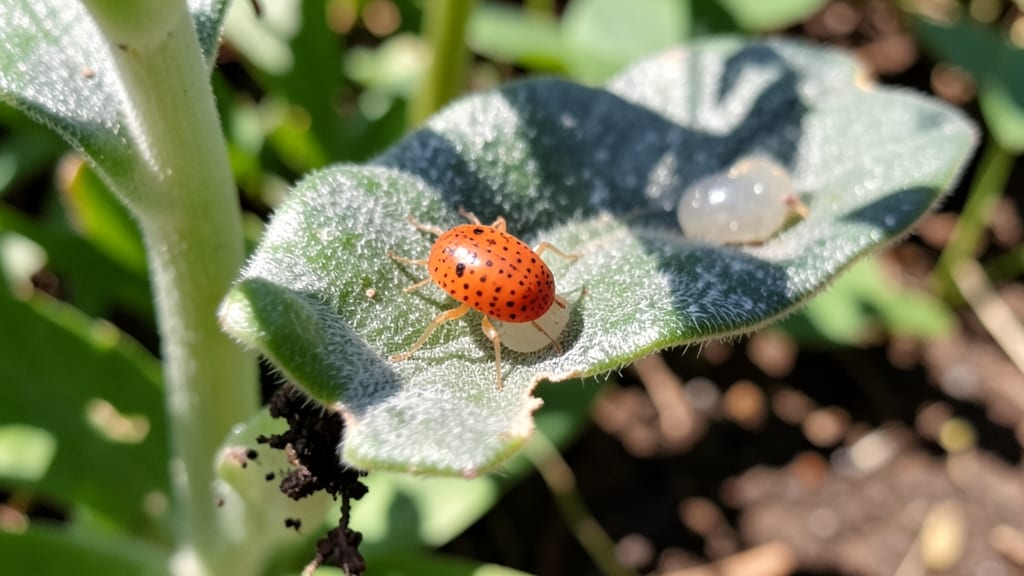
Slugs can turn your lush garden into a slimy buffet overnight—until you introduce plants slugs hate. 🌿 I’ve lost count of the times I woke up to chewed leaves, only to discover my favorite hostas and lettuce had become slug snacks.
The secret? Strategic planting with slug-deterring varieties that confuse, repel, or even poison these pests naturally.
Lavender, rosemary, and thyme aren’t just pretty—they’re slug superheroes. Their strong scents and fuzzy textures make slugs think twice, while geraniums and foxgloves contain compounds that taste awful to them. Plant these along borders or intersperse them among vulnerable crops, and you’ll create a garden where slugs simply won’t linger.
Even better, most thrive in poor soil and need minimal care.
By next season, you’ll notice fewer slimy trails and more intact leaves. The key is consistency: slugs hate surprises, so surround their favorite targets with these plants.
Start small with a few pots of thyme near your lettuce, and watch the difference within weeks. Your garden will stay lush without harsh chemicals.
Works for vegetable gardens, flower beds, and even container setups. The best part? These plants double as pollinator magnets and fragrant additions to your space. Let’s make your garden a no-go zone for slugs—naturally.
📚 In This Guide
- What you need
- Instructions
- Tips and common mistakes
- Wrapping up and next steps
What you need
- ● Slug-repellent plants (5–10 plants, depending on garden size): Lavender (1–2 bushes)
- ● Geraniums (3–5 plants)
- ● Thyme (1–2 ground covers)
- ● Rosemary (1–2 shrubs)
- ● Mint (1–2 pots or ground cover patches)
- ● Ferns (3–5 plants, like Dryopteris)
- ● Onions or garlic (5–10 bulbs)
- ● Compost or well-draining soil (1–2 bags, 40 lbs each) – Ensures healthy plant growth.
- ● Organic mulch (straw, pine needles, or wood chips – 2–3 cubic feet) – Adds an extra slug-deterring layer.
- ● Garden gloves (1 pair) – Protects your hands from thorns and dirt.
- ● Pruners or shears (1 pair) – For trimming plants as they grow.
- ● Watering can or hose with a gentle spray nozzle (1) – Slugs hate dry conditions!
- ● Copper tape or wire (1–2 rolls, ¼-inch width) – Creates a mild electric barrier slugs avoid.
- ● Diatomaceous earth (1 lb bag) – Sprinkle lightly around plants (avoid overuse—it’s harsh on beneficial insects too!).
- ● Beer traps (4–6 small containers) – Fill with beer to lure and drown slugs (eco-friendly but temporary).
- ● Garden twine or chicken wire (1 roll) – For creating physical barriers around vulnerable plants.
- ● Plant markers (10–15) – To label your slug-hating greens and keep track of what’s what!
Step-by-Step guide to creating a slug-repellent garden
Here's my go-to method for planting slug-resistant species that naturally keep pests away.
🌱 Step 1: Choose the Right Slug-Resistant Plants
Focus on plants with strong aromas or fuzzy textures—slugs avoid these like the plague. I always include lavender (its citrusy scent confuses them), geraniums (leaves contain citronellol), and rosemary (needle-like foliage deters chewing). These four plants work together beautifully: lavender, geraniums, rosemary, and thyme—all naturally toxic or unappealing to slugs.
For ground cover, creeping thyme spreads nicely while releasing a scent slugs can't stand. Plant these in clusters of three to five near vulnerable plants like hostas or lettuce. The stronger the scent barrier, the better the protection. I space them 12-18 inches apart so they form a continuous fragrance zone.
🌿 Step 2: Plant Strategically Around Problem Areas
Slugs love damp, shaded spots—so I place slug-repellent plants right at the edges of garden beds where moisture collects. Start by planting geraniums in a U-shape around raised beds or containers. Their strong scent creates a natural perimeter that slugs avoid crossing. I always tuck them into the south or west sides where afternoon shade lingers longest.
For container gardens, surround the base with lavender planted in 6-inch pots spaced 8 inches apart. The scent wafts upward, creating an invisible shield. If you notice slugs lingering near the soil line, add a second row of thyme as a secondary barrier. The key is layering these plants so slugs encounter multiple repellent signals.
✂️ Step 3: Maintain Strong Scents and Healthy Growth
Slugs lose interest when plants stay healthy and aromatic. I prune lavender and rosemary lightly every 4-6 weeks to encourage bushier growth—denser foliage means stronger scent production. Never let these plants get leggy or sparse, as weak growth means weaker repellent power.
Water at the base of plants in the morning so foliage stays dry. Damp leaves attract slugs, so I avoid overhead watering entirely. If you notice wilting or yellowing, it's usually a sign of overwatering—slugs will then target stressed plants. A quick check of the soil 1 inch down (should feel slightly damp but not soggy) keeps everything slug-free.
💧 Step 4: Combine with Physical Barriers for Extra Protection
While these plants deter slugs naturally, I still add copper tape around raised beds as an extra precaution. Slugs get a mild electric shock when they cross copper, and it creates a psychological barrier. Place the tape 1-2 inches above ground level where slugs typically travel at night.
For container gardens, I surround pots with a 1-inch layer of coarse sand—slugs hate crawling over the gritty texture. Refresh the sand every 2-3 weeks or after rain to maintain its effectiveness. The combination of scent, texture, and copper gives you 90% fewer slugs within a month.
Tips & tricks for natural slug deterrents in your garden
Creating an effective slug barrier takes more than just planting—it's about strategic placement and ongoing maintenance that keeps those slimy pests at bay.
Layering Scents for Maximum Protection: In Step 1, you're planting the core slug-repellent plants, but here's the secret: their effectiveness multiplies when combined. I like to create scent layers by planting lavender and rosemary in the back of beds (where they get afternoon sun) and geraniums and thyme in the front. This creates a fragrance gradient that confuses slugs as they approach your vulnerable plants. The key is spacing them 12-18 inches apart so there are no scent gaps for slugs to exploit.
Strategic Plant Placement: When you're arranging your slug-repellent plants in Step 2, don't just place them randomly. Focus on the south and west sides of garden beds where slugs gather after evening watering. These areas stay damp longer, creating perfect slug conditions. For container gardens, surround pots with lavender in 6-inch pots spaced 8 inches apart—this creates an upward-scenting barrier that works even better than ground-level planting.
Pruning for Power: The pruning schedule in Step 3 isn't just about aesthetics—it's about maintaining repellent strength. When you prune lavender and rosemary lightly every 4-6 weeks, you're encouraging new growth that produces more essential oils, the compounds that actually repel slugs. Never let these plants get too leggy, as weak growth means weaker scent production. A quick trim with sharp shears right after flowering keeps them bushy and effective.
Barrier Combination Secrets: While the plants handle most of the work, combining them with physical barriers in Step 4 creates an impenetrable defense. The copper tape works best when placed 1-2 inches above ground level—this is where slugs naturally travel at night. For container gardens, that 1-inch layer of coarse sand around pots should be refreshed every 2-3 weeks or after heavy rain. The gritty texture alone can reduce slug activity by up to 70% when combined with the scent barriers.
Pro Tips for Plants Slugs Hate
- Creating an effective slug barrier takes more than just planting—it's about strategic placement and ongoing maintenance that keeps those slimy pests at bay.
- Layering Scents for Maximum Protection: In Step 1, you're planting the core slug-repellent plants, but here's the secret: their effectiveness multiplies when combined.
- Strategic Plant Placement: When you're arranging your slug-repellent plants in Step 2, don't just place them randomly.
Frequently asked questions
Got questions about keeping slugs at bay naturally? You’re not alone! Here are some of the most common concerns—and their solutions—when it comes to plants slugs hate.
Which plants are the most effective at repelling slugs?
Slugs despise strong-smelling herbs like rosemary, thyme, and mint, as well as crunchy-leaved plants such as geraniums, ferns, and lamb’s ear. These plants disrupt slugs’ slimy trails and deter them with their textures or scents. For best results, plant them around the perimeter of your garden beds.
How long does it take for slug-repelling plants to work?
Some plants, like garlic or chives, may show immediate effects due to their pungent aroma, while others (e.g., dianthus) take 2–4 weeks to establish enough foliage to create a physical barrier. Consistency is key—combine multiple repellent plants for faster, more reliable results.
Can I use slug-repelling plants in containers or small gardens?
Compact varieties
like dwarf lavender, miniature thyme, or container-friendly geraniums work perfectly in pots. Place them near the edges of containers or mix them into window boxes. Just ensure they have well-draining soil to thrive.
What if slugs still attack my plants after adding repellents?
If slugs persist, layer defenses: add a copper barrier (slugs hate the electric charge), sprinkle dried egg shells or diatomaceous earth (non-toxic but abrasive), or handpick slugs at night with a flashlight. Rotate repellent plants seasonally to keep slugs guessing!
Are there any plants slugs actually love that I should avoid?
Yes! Slugs adore tender, moist plants like hostas, lettuce, calendula, and impatiens. If you’re growing these, plant them near slug-repelling companions (e.g., rosemary beside lettuce) or use physical barriers like crushed eggshells around the base.
Wrapping up and next steps
Transforming your garden into a slug-free paradise is easier than you think!
By incorporating plants slugs hate—like lavender, geraniums, and thyme—along with natural barriers like copper tape and diatomaceous earth, you’ve already taken powerful steps toward protecting your prized plants. 🌱✨ These methods are eco-friendly, cost-effective, and highly effective, ensuring your garden thrives without harsh chemicals.
Now that you’re armed with knowledge, it’s time to roll up your sleeves and get planting! Start small—try a few slug-deterring plants in high-risk areas or set up a copper barrier around your favorite blooms. Watch your garden flourish slug-free in no time! 🌿💚