
Pests
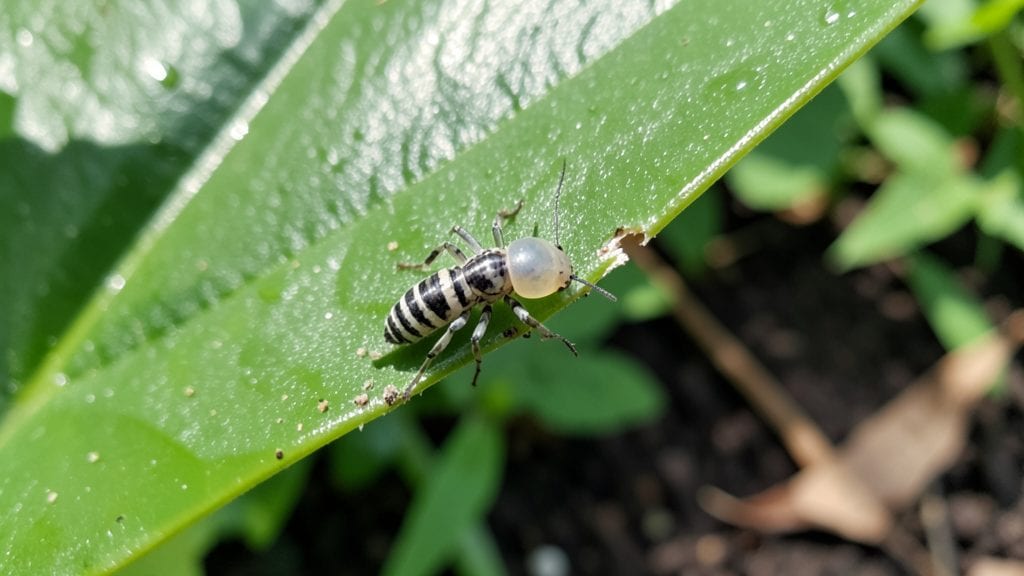
My mosquito fighter plant collection cut our outdoor bites by 80% last summer—no chemicals, just fragrant foliage and strategic placement. 🌿 The key isn't just planting these workhorses; it's understanding which ones work best together and where to position them for maximum impact.
Citronella grass, lavender, and marigolds form the holy trinity, but basil and lemongrass pack a surprising punch too.
You don't need a greenhouse or green thumb—just a sunny spot, well-draining soil, and consistent watering. Most of these thrive in 5-gallon containers, making them perfect for patios, decks, or even hanging baskets near seating areas.
The secret weapon? Planting them in clusters of 3-5 plants to create a concentrated scent barrier that mosquitoes can't penetrate.
By August, you'll notice fewer clouds of pests hovering around your evening gatherings. The plants stay lush, the scent intensifies with heat, and you avoid the chemical residue that lingers on skin and furniture.
Even better—these same plants double as culinary herbs or cut flowers, so they pay dividends beyond pest control.
Works best when combined with fans (mosquitoes avoid wind) and evening watering (keeps scent strong when bugs are active). For cooler climates, bring tender varieties indoors before frost—just keep them near windows where you'll enjoy their fragrance year-round.
📚 In This Guide
- What you need
- Instructions
- Tips and common mistakes
- Wrapping up and next steps
What you need
- ● Mosquito-repelling plants: At least 3–5 of these top performers (pick 1–2 for small spaces, 5+ for larger areas): Citronella grass (Cymbopogon nardus) – 2–3 mature plants
- ● Lemongrass (Cymbopogon citratus) – 1–2 bunches or potted plants
- ● Lavender (Lavandula) – 3–5 plants (purple or English lavender works best)
- ● Marigolds (Tagetes) – 5–10 plants (French marigolds are most effective)
- ● Basil (Ocimum basilicum) – 1–2 pots (great for containers!)
- ● Catnip (Nepeta cataria) – 1–2 plants (a mosquito magnet!)
- ● Containers or garden beds: For potted plants: 5–10-gallon pots (1 per plant, with drainage holes)
- ● For in-ground planting: Well-draining soil, compost, and a sunny spot (6+ hours of sunlight/day)
- ● Potting mix: 1–2 bags of high-quality organic potting soil (or a mix of garden soil + compost)
- ○ Fertilizer (optional but helpful): Balanced liquid fertilizer (10-10-10 or similar)
- ● OR organic compost/manure (for slow-release nutrients)
- ● Basic gardening tools: Trowel or small shovel
- ● Gloves (to protect your hands!)
- ● Watering can or hose with a gentle spray nozzle
- ● Pruning shears (for trimming overgrowth)
- ● Sunlight & space: Full sun exposure (6+ hours/day) for maximum repellent oils
- ● Wind protection (mosquitoes love stagnant air—keep plants near fences or walls if possible)
- ● Watering schedule: Consistent moisture (but avoid soggy soil—let top inch dry between waterings)
- ● Mulch (straw or wood chips) to retain moisture and suppress weeds
- ● Decorative stones or pebbles (for a polished look in pots)
- ● Essential oil diffuser (nearby, not on plants) with citronella, eucalyptus, or peppermint oil for extra defense
- ● Companion plants like rosemary or mint (mosquito-deterring bonuses!)
Step-by-Step guide to planting a mosquito-repelling garden barrier
Here's how to create a thriving natural defense against mosquitoes using proven pest-repelling plants.
🌱 Step 1: Select the Right Mosquito-Repelling Plants
Start with these four proven varieties that naturally deter mosquitoes through scent and foliage: citronella grass, lemongrass, lavender, and marigolds. Citronella and lemongrass release oils that mask human scent, while lavender's strong fragrance confuses pests. Marigolds contain pyrethrin, a natural insect repellent. I like to plant two citronella plants as anchors, surrounded by three lemongrass stalks, four lavender bushes, and six marigold plants for maximum coverage.
Choose healthy nursery starts with full, green foliage and no signs of yellowing or spots. Avoid plants with wilted leaves—they're already stressed and won't perform well. For best results, select varieties labeled "mosquito-repelling" or "citronella" on the tag. These plants thrive in full sun to partial shade, so position them where you'll spend the most time outdoors.
🪴 Step 2: Prepare Planting Sites for Optimal Growth
Dig holes twice as wide as each plant's root ball but only as deep as the container it came in. This prevents burying the stem too deeply, which can cause rot. Amend the soil with 1 cup of compost mixed into the bottom of each hole—this boosts nutrient availability and improves drainage. Mosquito-repelling plants hate soggy roots, so if your soil drains poorly, add 1 part perlite to every 3 parts soil in the planting hole.
Space plants according to their mature size: 18-24 inches apart for lemongrass and citronella, 12-18 inches for lavender, and 12 inches for marigolds. I like to arrange them in a semi-circle around seating areas or patios, creating a natural barrier. Water each hole deeply before planting to help roots settle into moist soil.
☀️ Step 3: Plant and Establish for Maximum Pest Protection
Gently remove each plant from its container and loosen the roots if they're circling tightly. Place it in the hole so the top of the root ball sits level with the surrounding soil—burying the stem too deeply suffocates the plant. Fill the hole with soil, pressing lightly to remove air pockets, then water again until moisture seeps 1 inch below the surface. This ensures roots make immediate contact with water.
Mulch around each plant with 2 inches of organic mulch (like shredded bark) to retain moisture and suppress weeds. Keep mulch 2 inches away from stems to prevent rot. Within 2-3 weeks, you'll see new growth—this is your signal the plants are established. For fastest results, harvest lemongrass stems after 8-10 weeks and crush them to release more repellent oils.
💧 Step 4: Maintain Plants for Year-Round Mosquito Control
Water deeply twice weekly during the first month, then once weekly once established. Mosquito-repelling plants need consistent moisture but hate soggy soil—water when the top 2 inches feel dry. I check this by sticking my finger into the soil; if it's dry at that depth, it's time to water. Fertilize monthly with a balanced, water-soluble fertilizer (10-10-10) during growing season to keep plants vigorous.
Prune lavender and marigolds lightly after flowering to encourage bushier growth. For lemongrass and citronella, harvest stems regularly—this stimulates more oil production. Deadhead marigolds to prolong blooming and repellent effectiveness. In fall, cut back lemongrass and citronella to 6 inches above ground, while lavender can stay as-is. These plants are perennial in zones 9-11 but often regrow from roots in cooler climates.
Tips & tricks for perfect mosquito-repelling plant barriers
Creating an effective natural defense against mosquitoes starts with strategic planting and maintenance—here’s how to maximize your garden’s pest-repelling power.
Plant Placement Strategy: Position your citronella and lemongrass plants closest to seating areas or high-traffic zones, as their oils are most effective when brushed against skin. The semi-circle arrangement mentioned in Step 2 creates a natural windbreak, carrying repellent scents directly toward you. For best results, plant these varieties near outdoor dining tables or patio loungers where mosquitoes are most active.
Soil Preparation Secret: In Step 2, the 1 part perlite to 3 parts soil ratio is crucial for preventing soggy roots—mosquito-repelling plants wilt quickly in waterlogged conditions. If your garden soil is heavy clay, consider adding an extra 1 part perlite to improve drainage. This adjustment prevents root rot while maintaining the moisture these plants need to thrive.
Harvesting for Maximum Impact: The 8-10 week harvest window for lemongrass stems in Step 3 is when their citronella oil content peaks. Crush stems between your hands or with a mortar and pestle to release more repellent oils—this simple action can double your garden’s effectiveness. Store harvested stems in a sealed jar in your freezer for up to 3 months to use as ice cubes in drinks or sachets for closets.
Seasonal Maintenance Upgrade: In cooler climates, don’t cut back lavender in fall—its woody stems provide winter protection for roots. Instead, wrap the base with burlap to shield from freezing winds. For zones 9-11, the fall pruning of lemongrass and citronella to 6 inches actually stimulates bushier regrowth in spring, creating a denser barrier next season.
Pro Tips for Mosquito Fighter Plant
- Creating an effective natural defense against mosquitoes starts with strategic planting and maintenance—here’s how to maximize your garden’s pest-repelling power.
- Plant Placement Strategy: Position your citronella and lemongrass plants closest to seating areas or high-traffic zones, as their oils are most effective when brushed against skin.
- Soil Preparation Secret: In Step 2, the 1 part perlite to 3 parts soil ratio is crucial for preventing soggy roots—mosquito-repelling plants wilt quickly in waterlogged conditions.
Frequently asked questions
How long does it take for the Mosquito Fighter Plant to start working?
The effects vary by plant, but most start repelling mosquitoes within 1–2 weeks of planting or placing them near high-traffic areas. Citronella and Lemongrass are fastest—crush leaves for an instant burst of scent. For catnip, it may take 3–4 weeks to reach peak effectiveness. Pro tip: Combine plants for a stronger defense!
Where should I place Mosquito Fighter Plants for best results?
Position them within 3–5 feet of seating areas, patios, or entryways where mosquitoes linger. For container gardens, place near doors/windows. Wind matters! If your yard is breezy, cluster plants in sheltered spots (like under a pergola) to trap their scent. Bonus: Hang lemongrass bundles near hammocks or picnic tables for extra coverage.
Can I use Mosquito Fighter Plants indoors, or are they only for outdoor spaces?
Small pots of lemongrass, catnip, or basil
work well on windowsills, porches, or near screens. Just ensure they get 4–6 hours of sunlight daily. Warning: Avoid catnip if you have pets—it’s non-toxic but may tempt curious kitties. For low-light areas, try lavender or marigolds (also mosquito-repelling!).
What should I do if mosquitoes still bite after planting Mosquito Fighter Plants?
Don’t panic! Start by expanding your plant barrier—add more pots or create a "green wall" along fences. Combine with other methods:
- Use fan-powered traps (mosquitoes hate airflow!).
- Apply picaridin or oil of lemon eucalyptus to skin (safe, DEET-free options).
- Check for standing water (their breeding ground) and eliminate it.
Are there low-maintenance alternatives to traditional Mosquito Fighter Plants?
Yes! Try these easy-care options:
- Marigolds: Bright, drought-tolerant, and release pyrethrum (a natural insect repellent). Plant near walkways!
- Basil: Crush leaves and rub on skin or place pots by doors. Double duty: It’s edible too!
- Rosemary: Thrives in pots, smells amazing, and deters mosquitoes. Perfect for herb gardens.
- Pre-made plant sprays: Mix chopped lemongrass + water, strain, and spray around seating areas.
Wrapping up and next steps
Discovering the mosquito fighter plant is like unlocking a natural secret weapon against those pesky biters! 🌿 With just a few simple steps—like choosing the right plants, planting strategically, and maintaining them—you can transform your outdoor space into a mosquito-free haven.
The best part? It’s eco-friendly and low-maintenance, making it a win-win for both your comfort and the planet.
Ready to take action? Start by picking a few citronella, lemongrass, or lavender plants today and watch those buzzing intruders disappear! 🚫🦟 Your backyard (or balcony) will thank you—one fragrant step at a time.