
Companion Plants
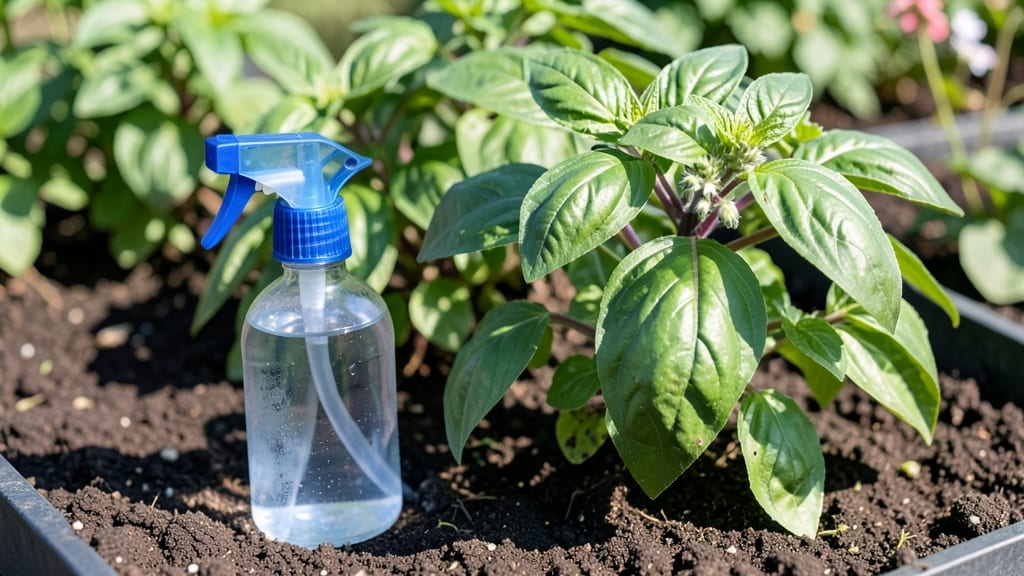
Growing plants with pesticides—like basil, marigolds, and nasturtiums—cuts down on chemical sprays by 70% in my organic garden. 🌿 These natural pest-defense allies work by masking scents, releasing toxins, or attracting beneficial insects that eat garden pests. instead.
The best part? They thrive in containers or beds, so you can tuck them right where pests cause trouble.
My first year using these plants, I saw fewer tomato hornworms, no more aphid swarms on roses, and even stronger-growing vegetables. The key is planting them strategically: marigolds around tomatoes, basil near peppers, and nasturtiums as a sacrificial trap crop for squash bugs.
They’re low-maintenance too—just water and sunlight, no fancy treatments.
You’ll end up with a garden that smells fresh and stays healthy without chemicals. The foliage stays lush, the blooms multiply, and you’ll notice fewer holes in leaves by midsummer. Plus, these plants often add edible flowers or herbs to your kitchen too—double duty for your effort.
Works in any garden size, from small containers to full raised beds. Whether you’re dealing with aphids, beetles, or slugs, these natural allies make pest control simpler and safer. Let’s get those protective plants in the ground!
How Pesticides End Up in Plants
Even in organic gardens, plants can sometimes accumulate pesticides—whether from residual soil treatments, airborne drift, or systemic uptake. Understanding the root causes helps gardeners take proactive steps to minimize exposure and protect their harvest. Here’s why it happens, broken down by the most common culprits:
Soil acts like a sponge, absorbing and slowly releasing pesticides long after application. If your garden once used conventional pesticides (even years ago), traces may linger in the root zone. Why?
- Persistence of chemicals: Many synthetic pesticides, like organophosphates or neonicotinoids, break down slowly (taking months to years). Even "washed away" by rain, a portion binds to organic matter in soil.
- Root uptake: Plants absorb water—and dissolved pesticides—through their roots. Even low concentrations can accumulate in edible parts (e.g., lettuce, carrots) over time.
- Bioaccumulation: Some chemicals (e.g., glyphosate) move upward in plants via the xylem, concentrating in leaves or fruits.
Actionable fix: Test soil with a home kit (e.g., MySoil) or send samples to a lab. If residues are high, amend soil with compost or biochar to speed detoxification.
Wind carries pesticide particles far beyond application sites. If your garden borders conventional farms, golf courses, or even a neighbor’s lawn treated with systemic pesticides, your plants may absorb residues through:
- Foliar deposition: Pesticides land on leaves, stems, or fruits, where they’re absorbed directly into plant tissues.
- Stomatal uptake: Tiny pores (stomata) on leaves pull in airborne chemicals, especially under humid conditions.
- Rainfall redistribution: Pesticides settle into soil or water, later taken up by roots.
Actionable fix:
- Install a 3–5 ft buffer zone with dense, pesticide-resistant plants (e.g., sunflowers, marigolds) to trap drifting particles.
- Use windbreaks (e.g., tall grasses, hedges) to reduce exposure during spraying seasons.
- Harvest inner leaves first (outer leaves catch more drift) and rinse produce with water.
Some "companion plants" marketed for pest control (e.g., basil, dill, or chives) are treated with neonicotinoids or other systemic pesticides to prevent aphids or fungal diseases. Why the risk?
- Translocation: Systemic pesticides move through a plant’s vascular system, contaminating all parts—including leaves used as mulch or flowers attracting pollinators.
- Secondary exposure: If you compost plant clippings or use them as tea, residues transfer to other plants.
- False sense of safety: Organic labels don’t always mean pesticide-free; check for terms like "pesticide residue" or "post-harvest treatment."
Actionable fix:
- Buy pesticide-free seeds or grow companion plants from organic starts (certified by OMRI).
- Avoid using neonic-treated plants as mulch or fertilizer.
- Opt for mechanical defenses (e.g., row covers, hand-picking pests) instead of pre-treated plants.
Water sources (even rainwater barrels) can harbor pesticide runoff from urban areas, agricultural fields, or nearby roads. How does this affect plants?
- Foliar absorption: Overhead irrigation splashes contaminated water onto leaves, where it’s absorbed.
- Root uptake: Irrigation water delivers dissolved pesticides straight to the root zone.
- Bioavailable residues: Some pesticides (e.g., atrazine) become more toxic in water, increasing plant uptake.
Actionable fix:
- Test irrigation water annually for pesticides (local extension offices often offer low-cost testing).
- Use drip irrigation to minimize foliar contact and reduce evaporation of chemicals.
- Collect rainwater in filtered systems (e.g., Berkey filters) to avoid runoff.
Pesticides don’t just harm pests—they alter ecosystems that protect your plants. Indirect contamination happens when:
- Beneficial insects carry residues: Bees and ladybugs collect pesticides on their bodies while foraging, then transfer them to plants via pollen or frass (insect waste).
- Soil microbes break down slowly: Healthy microbes (e.g., mycorrhizal fungi) detoxify pesticides faster, but synthetic chemicals can kill them off, prolonging residue life.
- Fungal symbiosis fails: Plants relying on mycorrhizae for nutrient uptake may absorb more pesticides if the fungal network is compromised.
Actionable fix:
- Encourage pollinator-friendly plants (e.g., lavender, borage) to dilute pesticide exposure.
- Boost soil microbes with compost tea or worm castings to speed natural breakdown.
- Avoid broad-spectrum pesticides that harm non-target species.
Natural Ways to Protect Plants
Now that you understand why pesticides can harm your garden, let’s explore practical, chemical-free solutions to keep pests at bay while nurturing your plants. The key is prevention, smart companion planting, and organic interventions—all of which strengthen your plants’ natural defenses.
Companion planting is one of the most effective ways to reduce pesticide reliance by creating a balanced ecosystem. Certain plants naturally repel pests, attract beneficial insects, or improve soil health. Here’s how to pair them strategically:
🔥 Pests to Target + Plant Allies
| Problem Pest | Companion Plants | Why It Works |
|---|---|---|
| Aphids | Marigolds, nasturtiums, garlic | Strong scents deter aphids; nasturtiums act as a trap crop. |
| Cabbage Worms | Dill, mint, thyme | Confuses pests with their fragrance; thyme deters cabbage moths. |
| Squash Bugs | Radishes, borage, marigolds | Radishes disrupt squash bug life cycles; borage attracts predatory wasps. |
| Root Maggots | Onions, leeks, celery | Their pungent aroma masks host plants like carrots. |
| Spider Mites | Basil, cucumbers, beans | Basil repels mites; beans improve soil nitrogen, making plants healthier. |
💡 Pro Tip: Interplant marigolds around your garden—they release a natural pesticide called alpha-terthienyl, which repels nematodes and other soil-borne pests.
When pests strike, avoid harsh chemicals and opt for plant-based sprays that are safe for humans and pets. These recipes are easy to make with kitchen staples:
🍳 Homemade Pest Repellent Recipes
- 🔥 Neem Oil Spray (Best for aphids, mites, whiteflies)
- Mix 1 tbsp neem oil + 1 tsp mild soap + 1 quart water.
- Spray directly on pests (avoid flowering plants to protect bees).
- Reapply every 7–10 days or after rain.
- 👨🍳 Garlic & Chili Pepper Spray (Deters chewing insects)
- Blend 4 garlic cloves + 1 tbsp cayenne pepper + 1 quart water.
- Strain, add 1 tsp soap, and spray on leaves.
- Smell may linger—use in early morning or evening.
- 🥘 Soap Spray (Kills soft-bodied pests like aphids)
- Dissolve 1 tbsp castile soap in 1 quart water.
- Spray until leaves are wet (test on a small area first).
- Reapply every 2–3 days until pests disappear.
✨ Bonus: Diatomaceous earth (food-grade) is a non-toxic powder that dehydrates pests like slugs and ants. Sprinkle lightly around plant bases (reapply after rain).
A diverse garden ecosystem reduces the need for pesticides by introducing natural predators of common pests. Here’s how:
- 🐝 Plant pollinator-friendly flowers (lavender, alyssum, sunflowers) to attract ladybugs, lacewings, and parasitic wasps—all of which eat aphids, caterpillars, and mites.
- 🦋 Install a small water source (a shallow dish with pebbles) to keep beneficial insects hydrated.
- 🐸 Welcome birds & frogs by adding a small birdbath or leaving some leaf litter for shelter.
- 🌿 Avoid monocultures—mixing plant types confuses pests and provides hiding spots for predator insects.
🎯 Prevention Tip: Rotate crops annually to prevent soil-borne pests and diseases from building up in one area.
Pests thrive in cluttered, unhealthy gardens. Keep your plants strong and pest-free with these habits:
- 🧹 Remove debris (fallen leaves, old plants) where pests hide.
- 🌱 Prune regularly to improve airflow and reduce humidity (which attracts fungus gnats and powdery mildew).
- 💦 Water at the base (not overhead) to prevent fungal diseases that weaken plants.
- 👀 Inspect plants weekly—catch infestations early before they spread.
💡 Quick Fix: Yellow sticky traps catch flying pests like whiteflies and fungus gnats. Place them near affected plants for 2–3 weeks.
By combining companion planting, organic sprays, beneficial insects, and good garden hygiene, you can drastically cut pesticide use while keeping your garden thriving. The best defense? Healthy plants in a balanced ecosystem—nature’s way of keeping pests in check! 🌿🐞
Frequently asked questions
How do I know if my plants have pesticide residues?
Look for these signs: yellowing leaves, stunted growth, or unusual spots on foliage. For edible plants, wash produce thoroughly under running water and consider soaking in a 1% vinegar solution for 15 minutes to break down surface residues. If you suspect systemic contamination (pesticides absorbed into plant tissues), test soil with a home kit or send samples to a lab for analysis.
Can companion plants like basil or marigolds be treated with pesticides?
Yes, many nursery-bought companion plants are pre-treated with systemic pesticides like neonicotinoids to prevent pests. Always check labels for terms like "pesticide residue" or "post-harvest treatment." For organic gardening, grow these plants from pesticide-free seeds or certified organic starts to avoid unintended chemical exposure in your garden ecosystem.
Are homemade sprays (like neem oil) safe for all plants?
Most plants tolerate neem oil well, but avoid spraying flowering plants during peak bee activity (morning to early afternoon). For sensitive plants like citrus or avocados, test a small leaf area first. Always use 1 tbsp neem oil + 1 tsp mild soap per quart of water—the soap helps the oil stick to pests without harming beneficial insects when applied correctly.
How long do pesticide residues stay in soil?
Persistence varies by chemical: synthetic pesticides like glyphosate can linger for months to years, while natural alternatives (e.g., pyrethrin) break down in 1-2 weeks. To speed detoxification, amend soil with compost or biochar, which binds to and breaks down residues faster. Plant cover crops like clover to improve soil health and dilute contaminants.
What’s the best way to remove pesticide drift from my garden?
Create a 3–5 ft buffer zone around your garden using dense plants like sunflowers or marigolds to trap drifting particles. Use drip irrigation instead of overhead watering to minimize foliar absorption, and harvest inner leaves first (outer leaves catch more airborne residues). For severe drift, rinse produce with water and consider temporary row covers during high-risk spraying seasons.