
Companion Plants
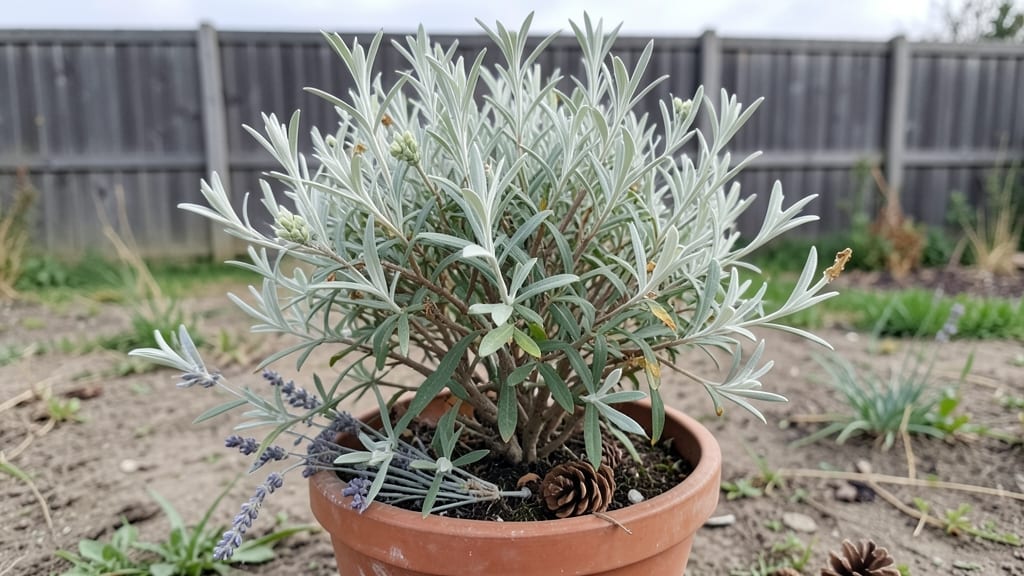
Creating wreaths with evergreen plants gives your home that year-round charm without the fuss of seasonal replacements. 🌿 I’ve made wreaths from pine sprigs, magnolia leaves, and even eucalyptus stems that last through holidays—and beyond.
The key? Choosing plants that hold their shape, resist drying out, and pair beautifully with seasonal accents.
Evergreens like pine, cedar, or boxwood form the sturdy base, while baby’s breath, hydrangeas, or dried lavender add texture and color. My favorite combo? A mix of eucalyptus for fragrance and magnolia leaves for drama.
These plants stay fresh longer when lightly misted and stored in a cool, dry place.
You’ll end up with wreaths that look lush and inviting for months, not just weeks. The best part? Swapping out a few stems each season keeps them feeling fresh without starting from scratch. Whether you hang them indoors or outdoors, they’ll be the centerpiece everyone notices.
Works for any skill level—no green thumb required. Start with a grapevine or wire frame, then let the plants do the talking. Ready to make yours stand out?
Behind The Fading Beauty
Evergreen wreaths are a stunning way to bring nature’s elegance indoors, but even the hardiest plants can lose their luster over time. Understanding why this happens is key to keeping your wreath vibrant for months—or even years.
Below, we break down the science and real-world factors that cause wreath plants to wilt, dry out, or lose their charm.
🌡️ Temperature And Humidity Shifts
Evergreen wreath plants, like Pine, Eucalyptus, or Cedar, thrive in stable conditions. When exposed to extreme temperature swings or low humidity—common in heated homes during winter—their needles or leaves can dry out and crisp at the edges. This happens because:
- Transpiration overload: Plants release moisture through tiny pores called stomata. In dry air, they lose water faster than their roots can absorb it, leading to dehydration.
- Cell membrane damage: Sudden cold snaps or heat spikes can rupture plant cell walls, causing browning or needle drop. Evergreens are adapted to outdoor fluctuations, but indoor environments are far more extreme.
- Static electricity: Low humidity increases static cling, which can cause fine needles (like those on Juniper) to clump together, blocking airflow and accelerating moisture loss.
Actionable fix: Place your wreath in a spot with moderate temperature (60–75°F) and use a humidifier nearby. For extra protection, lightly mist the foliage once a week—but avoid soaking the base, which can lead to rot.
💧 Overwatering Or Underwatering
Water is the lifeblood of wreath plants, but too much or too little can spell disaster. Here’s the science behind the struggle:
| Issue | Why It Happens | Signs to Watch For |
|---|---|---|
| Overwatering | Excess water suffocates roots by displacing oxygen in the soil, leading to anaerobic conditions. This triggers ethylene gas production, a plant stress hormone that accelerates needle drop and fungal growth (like Phytophthora). | Yellowing needles, mushy stems, or a foul odor from the base. |
| Underwatering | Roots dry out, and the plant’s vascular system (xylem) can’t transport water efficiently. This causes cavitation, where air bubbles block water flow, leading to wilting or crispy edges. | Needles turning gray/brown, brittle stems, or the wreath feeling unusually light. |
Actionable fix:
- Use a well-draining mix like 50% peat moss + 30% perlite + 20% sand to prevent waterlogging.
- Water only when the top 1 inch of soil is dry—stick your finger in to test.
- For pre-made wreaths, submerge the base in water for 10–15 seconds every 2 weeks to hydrate without drowning.
🐛 Pests And Pathogens
Even the toughest evergreens can fall prey to hidden invaders. Pests and diseases thrive in wreaths because their dense foliage traps moisture and debris. Here’s what’s likely attacking your greenery:
- Aphids and Spider Mites: These sap-sucking insects weaken plants by injecting toxins and reducing photosynthesis. You’ll spot sticky residue (honeydew) or fine webbing between needles.
- Fungal Infections (e.g., Needle Blight): Overwatering or high humidity creates the perfect breeding ground for fungi like Lophodermium seditiosum, which causes brown, tar-like spots on needles.
- Root Rot: Caused by waterlogged conditions, this fungal infection (Pythium) attacks roots, cutting off nutrient uptake. The wreath may smell sour or feel spongy at the base.
Actionable fix:
- Inspect your wreath weekly with a magnifying glass. Look for tiny eggs, webs, or discolored spots.
- Treat pests with a neem oil spray (1 tsp neem oil + 1 quart water) or insecticidal soap. For fungi, use a copper fungicide or baking soda solution (1 tsp baking soda + 1 quart water + a drop of dish soap).
- Isolate infected wreaths immediately to prevent spread.
☀️ Light Exposure Extremes
Evergreens are adapted to partial shade or full sun outdoors, but indoor lighting can be a double-edged sword. Too much direct light or too little can stress your wreath:
- Sunburn: Bright windowsills (especially south-facing) can scorch needles, causing bleached or crispy patches. This happens when UV radiation breaks down chlorophyll faster than the plant can repair it.
- Leggy Growth: Low light slows photosynthesis, leading to weak, sparse foliage as the plant stretches toward any available light source.
Actionable fix:
- Place your wreath 3–6 feet from a window for indirect light. Rotate it quarter-turns weekly to ensure even exposure.
- For artificial light, use a grow bulb (6000K color temperature) 12 inches away for 6–8 hours daily.
- Avoid placing wreaths near heat vents or drafty areas, which can exacerbate light stress.
🌱 Poor Soil And Nutrient Deficiencies
Most wreaths come in generic soil mixes that lack the nutrients evergreens need long-term. Over time, this leads to:
- Chlorosis (Yellowing): A lack of magnesium or iron causes leaves to lose their green pigment, often starting between veins. This is common in acid-loving plants like Pine if the soil pH drifts above 6.5.
- Stunted Growth: Without enough nitrogen or phosphorus, new needles stay small or fail to develop, making the wreath look sparse.
- Salt Build-Up: Tap water contains minerals that accumulate in the soil, creating a hypertonic environment where roots struggle to absorb water.
Actionable fix:
- Fertilize every 6–8 weeks with an acidic, slow-release fertilizer (e.g., 10-10-10 or 14-14-14 with micronutrients).
- Flush the soil quarterly with distilled or rainwater to reduce salt buildup.
- For pH issues, amend the soil with peat moss or sulfur to lower pH, or lime to raise it (test with a soil pH kit first).
Revive and Refresh Your Wreath Plants
Creating a stunning wreath doesn’t have to end in disappointment if your greenery starts looking lackluster. Whether your plants are wilting, drying out, or struggling with pests, these practical solutions will help you bring them back to life—and keep them thriving for longer.
Below, we’ll tackle common issues with step-by-step fixes and prevention tips to ensure your wreath stays lush year-round.
Cause: Overwatering, underwatering, or poor drainage. Solution: 💧 Step 1: Check the Moisture Level Gently squeeze a stem—if water drips out, your plants are overwatered. If the stem feels dry and brittle, they need hydration. Let soaked soil dry slightly between waterings.
🌱 Step 2: Adjust Watering Habits
- For fresh-cut greenery (e.g., eucalyptus, magnolia): Submerge stems in water for 1–2 hours before arranging in the wreath. Trim stems at an angle to maximize water absorption.
- For potted plants (e.g., pine, boxwood): Water deeply but allow the top inch of soil to dry out between sessions.
💡 Pro Tip: Use a spray bottle to mist foliage daily if your wreath is in a dry environment (like near a fireplace or heater).
🛡️ Prevention:
- Use pebble trays under wreaths to maintain humidity.
- Choose drought-tolerant plants like rosemary or lavender if you tend to overwater.
Cause: Stagnant water, dust, or weak plants attracting pests. Solution: 🧼 Step 1: Isolate and Inspect Remove the wreath from display and check stems/leaves for tiny webs, sticky residue (honeydew), or tiny crawling bugs. Focus on undersides of leaves and stem junctions.
🚿 Step 2: Clean Thoroughly
- For soft-bodied pests (aphids, mites): Spray with a soapy water solution (1 tsp mild dish soap per quart of water). Rinse after 10 minutes.
- For stubborn webs (spider mites): Wipe leaves with a neem oil solution (1 tbsp neem oil + 1 tsp soap per quart of water). Repeat every 3–4 days.
🌿 Step 3: Refresh the Base Replace any heavily infested stems and trim back damaged foliage. Rehydrate the remaining plants in clean water.
🛡️ Prevention:
- Store wreaths in a cool, dry place when not in use.
- Dust plants weekly with a soft brush to deter pests.
- Avoid overcrowding stems in the wreath—this traps moisture and invites infestations.
Cause: Oxidation, ethylene gas (from nearby fruit/flowers), or nutrient deficiency. Solution: ✂️ Step 1: Trim Damaged Areas Snip off brown or yellowed leaves/stems with clean scissors. This prevents the issue from spreading to healthy parts.
💧 Step 2: Boost Hydration & Nutrition
- For fresh cuts: Place stems in room-temperature water with a flower preservative (like floral food packets) to slow decay.
- For potted plants: Fertilize lightly with a balanced liquid fertilizer (diluted to half strength) every 4–6 weeks.
🌡️ Step 3: Control the Environment
- Keep wreaths away from direct sunlight, heaters, or ripe fruits (ethylene gas accelerates browning).
- Mist lightly with water to prevent leaf scorch.
🛡️ Prevention:
- Rotate stems in the wreath every few days to ensure even exposure to light.
- Use a sharp knife (not scissors) to trim stems—crushed stems won’t absorb water well.
Cause: Cold drafts, indoor heat, or lack of humidity. Solution: 🔥 Step 1: Acclimate Plants Gradually If using outdoor greenery (like holly or pine), harvest in the early morning when moisture is highest. Let stems dry slightly before arranging to reduce shock.
🌡️ Step 2: Adjust Indoor Conditions
- Increase humidity: Place the wreath on a damp towel or near a humidifier.
- Avoid heat sources: Keep wreaths 6–8 feet from fireplaces or vents.
- For extra protection: Lightly coat stems with clear nail polish (like a sealant) to lock in moisture.
🛡️ Prevention:
- Choose cold-hardy plants like cedar, juniper, or pine for winter wreaths.
- Store unused greenery in a cool garage (not the fridge) with a damp paper towel wrapped around stems.
Cause: Excess moisture trapped in dense foliage. Solution: 🌬️ Step 1: Improve Airflow Fluff up the wreath to space out stems and allow air circulation. Avoid tightly packing greenery.
🧴 Step 2: Treat with Fungicide (If Needed) For stubborn mold, spray with a 1:10 bleach-water solution (1 part bleach to 10 parts water). Rinse thoroughly and dry in shade.
💡 Pro Tip: Baking soda spray (1 tsp baking soda + 1 quart water) can also help prevent fungal growth.
🛡️ Prevention:
- Avoid wetting foliage when watering—target the base of stems.
- Use a fan on low setting near the wreath to keep air moving.
For long-lasting wreaths, follow this 3-step routine:
- Hydrate daily (check water levels morning and night).
- Trim and refresh every 3–5 days (remove wilted stems).
- Rotate placement to ensure even light exposure.
With these fixes, your wreath will stay fresh, vibrant, and pest-free—no matter the season! 🌟
Frequently asked questions about wreath plants
Which plants last the longest in wreaths?
Evergreens like pine, cedar, and boxwood are the longest-lasting because their needles stay green for months. For seasonal color, dried lavender, magnolia leaves, and eucalyptus also hold up well when lightly misted. Avoid delicate flowers like roses—they wilt within days.
Can I use dried flowers instead of fresh plants?
Dried flowers like babys breath, statice, or dried hydrangeas add texture and color without wilting. They’re perfect for year-round wreaths, especially if you want a rustic or vintage look. Just mix them with evergreens for structure.
How do I keep my wreath fresh longer?
Trim stems at an angle, submerge in water for 10–15 seconds every 2 weeks, and store in a cool, dark place when not in use. For extra longevity, lightly coat stems with clear nail polish to seal in moisture. Avoid direct sunlight or heat sources.
What’s the best base for a wreath?
A grapevine or wire frame works best for flexibility, while foam bases are great for floral arrangements. For a natural look, use a wooden hoop or old branch. The base should be sturdy enough to hold your chosen plants without bending.
Can I reuse wreath plants from year to year?
Yes! Evergreens like pine or cedar can last 2–3 years if stored properly. After the holiday season, hang them in a dry, shaded area (like a garage) and mist occasionally. Replace any dried-out stems before rearranging for the next year.