
Companion Plants
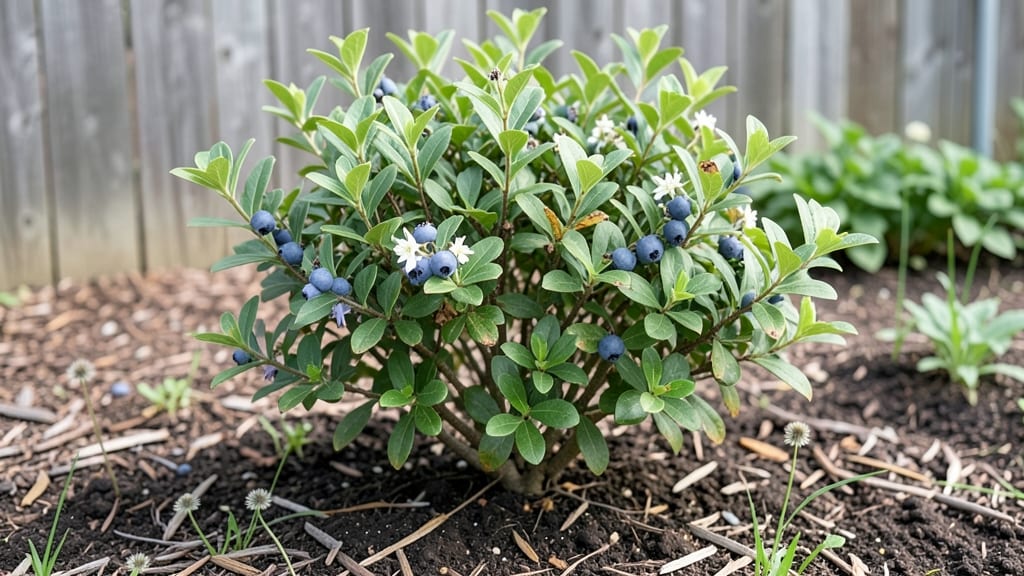
Everbearing blueberry plants deliver two harvests a year with almost no fuss—something I learned the hard way after struggling with finicky highbush varieties. 🌿 The difference isn't just in the berries (though those are shockingly sweet) but in how these plants handle pruning, pests, and even less-than-perfect soil.
You'll need acidic soil (think pH 4.5-5.5), full sun, and consistent moisture, but the real game-changer is their adaptability. Unlike traditional blueberries, everbearing types thrive in smaller spaces and even containers, making them perfect for urban gardens or backyard plots where space is tight.
The planting process takes under an hour, and once established, they reward you with berries from late spring through summer again.
By late fall, you'll be harvesting a second crop that rivals store-bought in flavor and texture. The plants stay compact, so pruning stays simple—just a few cuts in early spring to shape them up.
Even in my zone 6 garden, they've given me three years of reliable harvests with almost no maintenance beyond regular watering and an occasional mulch check.
Works equally well in raised beds, in-ground plantings, or large containers—just match the variety to your climate. Here's how to set yours up for a berry-filled future without the usual blueberry headaches.
📚 In This Guide
- What you need
- Instructions
- Tips and common mistakes
- Wrapping up and next steps
What you need
- ● Everbearing blueberry plants: 2–4 plants (choose disease-resistant varieties like 'Top Hat,' 'Bluecrop,' or 'Chester').
- ● Ensure they’re bare-root or potted (1–2 years old for best establishment).
- ● Well-draining soil: Test soil pH (ideal: 4.5–5.5; use a soil test kit or lab service).
- ● Amend with peat moss, pine bark, or sulfur if pH is too high.
- ● Organic mulch: 3–4 inches of pine needles, wood chips, or straw (acid-loving plants thrive with this!).
- ● Fertilizer: Slow-release acid-loving plant fertilizer (e.g., 10-10-10 or cottonseed meal, 1–2 lbs per plant annually).
- ● Watering system: Drip irrigation or soaker hose (blueberries hate soggy roots but need 1–1.5 inches of water weekly).
- ● Pruning tools: Sharp bypass pruners (for clean cuts) and loppers (for thicker branches).
- ● Blueberry companion plants: Thyme, oregano, or comfrey (repels pests and improves soil).
- ● Avoid planting near raspberries or tomatoes (they compete for nutrients).
- ● Row covers: Frost blankets for early spring/fall protection.
- ● Bird netting: To safeguard ripe berries from hungry feathered friends!
- ● pH adjustment kit: For quick fixes if your soil drifts out of range.
- ● Blueberry plant food: Liquid fish emulsion or kelp meal for extra nutrients.
Step-by-step instructions for planting everbearing blueberry bushes
Here's the method I've perfected for establishing everbearing blueberries that reward you with fruit from early summer to fall.
🌱 Step 1: Choose the Perfect Planting Site and Prepare the Soil
Everbearing blueberries demand acidic soil with a pH between 4.5 and 5.5—this is non-negotiable. Test your soil first using a home kit or send a sample to your local extension office. If your soil is too alkaline, amend it with 2-3 pounds of sulfur per 100 square feet and mix it into the top 12 inches of soil at least 2-3 months before planting.
Select a location that receives full sun to partial shade (at least 6 hours of direct sunlight daily). While they tolerate some shade, too much reduces fruit production. Everbearing varieties are more sensitive to heat stress than their seasonal counterparts, so avoid planting in areas where temperatures regularly exceed 90°F. If your climate is hot, choose a spot with afternoon shade from nearby trees or structures.
🪴 Step 2: Dig the Planting Hole and Plant with Care
Dig a hole twice as wide as the root ball but no deeper—everbearing blueberries hate having their roots buried too deeply. For 4 plants, you'll need 4 holes spaced 4-6 feet apart in a loose, well-draining circle. This spacing allows for air circulation and makes future pruning easier. Gently remove each plant from its container and loosen any circling roots with your fingers.
Place the plant in the hole so the top of the root ball sits 1-2 inches above ground level. This prevents soil from washing into the graft union during heavy rains. Fill the hole with the amended soil, pressing lightly around the roots to eliminate air pockets. Water deeply to settle the soil and remove any air gaps. You'll know it's right when water drains freely from the bottom of the hole.
💧 Step 3: Mulch and Water for Establishment
Spread 3-4 inches of pine bark mulch (not wood chips) around each plant, keeping it 3 inches away from the stem to prevent rot. Everbearing blueberries thrive with consistent moisture, so water deeply 2-3 times per week during the first growing season, providing 1-2 gallons per plant each time. The goal is to keep the soil evenly moist but never soggy—you'll see the mulch hold moisture longer and reduce evaporation.
After watering, check the soil 2 inches below the surface—it should feel like a wrung-out sponge. If it's dry, water again. Avoid overhead watering, which can spread fungal diseases. Instead, use a soaker hose or drip irrigation placed at the base of each plant. This targeted approach ensures roots get the moisture they need without wetting the foliage.
☀️ Step 4: Fertilize for Optimal Fruit Production
Everbearing blueberries are light feeders, but they need the right nutrients to produce fruit consistently. 4-6 weeks after planting, apply a slow-release, acid-loving plant fertilizer (look for one with a high nitrogen, phosphorus, and potassium ratio like 10-10-10 or 12-12-12). Sprinkle ½ cup per plant around the drip line (the edge of the plant's canopy), then water deeply to activate the granules.
In early spring, before new growth appears, apply 1-2 pounds of ammonium sulfate per 100 square feet of planting area. This provides a quick nitrogen boost without raising the soil pH. Avoid high-nitrogen fertilizers later in the season—too much nitrogen encourages leafy growth at the expense of fruit. Instead, focus on balanced fertilization throughout the growing season to support both foliage and fruit development.
✂️ Step 5: Prune for Year-Round Fruit and Disease Prevention
Everbearing blueberries produce fruit on both old and new wood, so pruning is less about shaping and more about removing dead or diseased branches and opening the center for airflow. In late winter or early spring, before buds swell, remove any dead, broken, or crossing branches using clean, sharp pruners. Cut just outside the branch collar (the swollen area where the branch meets the trunk) to prevent damage.
Thin out overcrowded branches to improve air circulation, which reduces the risk of fungal diseases like botrytis blight. You'll see new growth emerge from the center of the plant—this is a good sign. Avoid heavy pruning in the first year, as young plants need all their energy to establish roots. Once established, you can remove up to 25% of the oldest canes each year to encourage new growth and fruit production.
Tips & tricks for perfect everbearing blueberry planting
These game-changing tricks will help you establish thriving everbearing blueberry bushes that produce fruit reliably all season long.
Soil pH Precision: Don't just guess at your soil's acidity—use a digital pH meter for the most accurate reading. The target range of 4.5-5.5 is critical, and even small deviations can stress your plants. If you're amending with sulfur, mix it thoroughly into the top 12 inches of soil and wait those 2-3 months before planting. I've seen gardeners rush this step and end up with stunted growth because the sulfur didn't have time to fully acidify the soil.
Planting Depth Secret: That 1-2 inch elevation above ground level for the root ball isn't just about preventing soil from washing into the graft union—it's also about encouraging strong root development. When you plant too deeply, you create anaerobic conditions that can lead to root rot. After planting, gently press the amended soil around the roots to eliminate air pockets, then water deeply until you see water draining freely from the bottom of the hole.
Watering Technique: The 2-3 times per week watering schedule assumes you're providing 1-2 gallons per plant each time, but timing matters just as much. Water in the morning so the foliage has all day to dry, which dramatically reduces fungal diseases. I use a soaker hose set on a timer for 20 minutes twice daily during the first growing season—it's the closest thing to a set-it-and-forget-it system you'll find for blueberries.
Fertilizer Timing: That 4-6 week window for your first fertilizer application is when your plants need a balanced boost most. I recommend splitting the ½ cup per plant into two applications—give half at 4 weeks and the rest at 6 weeks. This gradual approach prevents fertilizer burn while ensuring your plants have the nutrients they need to establish strong root systems and develop fruit buds for the first harvest.
Pro Tips for Everbearing Blueberry Plants
- These game-changing tricks will help you establish thriving everbearing blueberry bushes that produce fruit reliably all season long.
- Soil pH Precision: Don't just guess at your soil's acidity—use a digital pH meter for the most accurate reading.
- Planting Depth Secret: That 1-2 inch elevation above ground level for the root ball isn't just about preventing soil from washing into the graft union—it's also about encouraging strong root development.
Frequently asked questions
Got questions about growing everbearing blueberry plants? You’re not alone! Here are some of the most common concerns—plus quick, practical answers to help you crush the harvest without the hassle.
Can everbearing blueberries produce fruit every single month?
Not quite! While they bear fruit twice per season (spring and fall), they need a period of dormancy to reset. Expect a 6–8 week gap between harvests, but with proper care, you’ll enjoy berries from late spring to early fall. Pro tip: Plant in a sunny spot with well-draining soil to maximize production.
How long does it take for everbearing blueberries to start fruiting?
Patience is key! Most everbearing varieties take 1–2 years to bear fruit after planting. Dwarf cultivars (like ‘Top Hat’ or ‘Peach Sorbet’) may fruit sooner—sometimes within 12–18 months—but larger bushes take longer. Pro tip: Fertilize with acidic soil amendments (like peat moss) in early spring to speed up maturity.
What’s the best way to prune everbearing blueberries for maximum yield?
Less is more! Prune only in late winter or early spring (before buds swell) to remove dead, diseased, or crossing branches. Avoid heavy pruning—everbearing bushes thrive with minimal shaping. Focus on opening the center for airflow and sunlight. Pro tip: Use sterilized shears to prevent fungal infections.
Are everbearing blueberries prone to pests or diseases?
Yes, but they’re generally hardier than other varieties. Watch for blueberry maggots, aphids, and mummy berry fungus. Use row covers early in the season and remove infected fruit promptly. Pro tip: Mulch with pine needles to deter pests and retain soil acidity.
Can I grow everbearing blueberries in containers?
Dwarf varieties (like ‘Blueberry ‘Bluecrop’ or ‘Blueberry ‘Patriot’) thrive in 5-gallon pots or larger. Use a well-draining, acidic mix (50% peat moss, 50% perlite) and fertilize monthly with an acid-loving plant food. Pro tip: Move pots to a sunny spot (6+ hours of light) and water consistently—containers dry out faster!
Wrapping up and next steps
Growing everbearing blueberry plants is a rewarding way to enjoy fresh, sweet berries year-round with minimal fuss! Their low-maintenance nature and adaptability make them perfect for both novice and experienced gardeners.
Whether you’re expanding your garden or simply craving a bountiful harvest, these plants deliver delicious results with ease—just choose the right variety, provide the ideal conditions, and let nature do the rest.
Ready to get started? Pick your favorite everbearing variety, prep your soil, and plant with confidence. Before you know it, you’ll be savoring homegrown blueberries straight from the vine—no pruning headaches required! 🌱💙