
Companion Plants
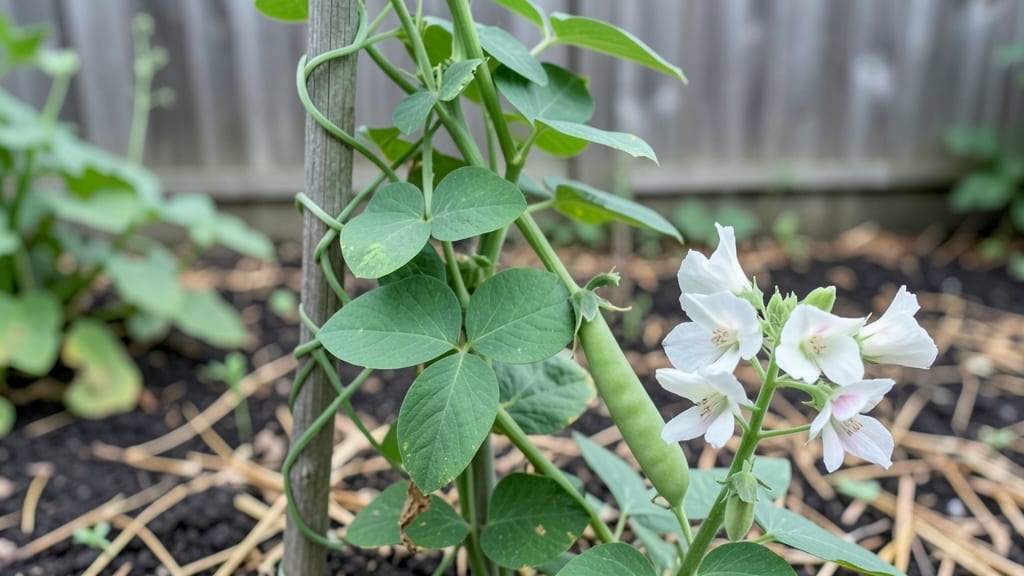
Plants can speak through chemical signals by releasing volatile organic compounds (VOCs) that alert neighboring plants to threats like herbivore attacks or disease, triggering defensive responses without physical contact.
This hidden language lets plants warn each other about danger before it arrives.
For example, when caterpillars munch on one plant, it emits airborne signals that nearby plants detect through specialized receptors, prompting them to produce bitter toxins or tougher leaves as a preemptive defense. 🌱 Scientists have even observed that some plants "eavesdrop" on these conversations, adjusting their own growth patterns based on what they hear from their neighbors.
What makes this even more fascinating is that these chemical messages travel surprisingly far—sometimes up to 10 feet or more—allowing entire plant communities to coordinate their survival strategies.
This isn't just theoretical; gardeners already use this knowledge by planting marigolds near tomatoes to repel pests, creating a natural early warning system that reduces the need for chemical interventions.
💡 In This Article
- How Plants Use Chemical Signals to Communicate
- Practical Examples of Plant Communication in Gardens
How plants use chemical signals to communicate
Here's what's actually happening when plants "speak": they release volatile organic compounds (VOCs)—molecules so light they evaporate instantly at room temperature. These aren't just random chemicals; they're carefully crafted signals containing specific molecular patterns that act like plant Morse code.
For example, when a plant detects caterpillar saliva (which contains proteins like insect oral secretions), it triggers production of jasmonic acid, a master regulator that coordinates the plant's defensive response.
The science gets even more precise: plants have specialized receptors on their leaves and roots that can detect these airborne molecules at concentrations as low as parts per billion. Take methyl jasmonate, a key VOC that travels through the air like a distress flare.
When tomato plants release it after being attacked by spider mites, nearby basil plants detect it within 30 minutes and start producing defensive compounds like eugenol (a natural insect repellent). This chemical conversation happens faster than you can water your garden!
What most people don't realize is that plants use different VOC "dialects" depending on the threat. For instance, green leaf volatiles (GLVs) like hexanal signal mechanical damage (like being eaten), while terpenes like limonene indicate fungal infections.
The plant's response isn't just random—it's tailored to the specific danger. This precision explains why some plants grow thicker leaves when they sense herbivores nearby, while others release sticky resins to trap insects.
Jasmonic acid plays the role of the plant's emergency coordinator. When it's activated, it doesn't just trigger one defense—it orchestrates a cascade:
- shutting down growth (since defense takes energy),
- producing toxic compounds (like nicotine in tobacco plants), and
- strengthening cell walls to make leaves less appetizing.
The whole process happens at the molecular level, with genes being turned on and off like a biological switchboard.
Here's a concrete example: when corn plants are attacked by corn earworm moths, they release Z-3-hexenal, a VOC that nearby corn plants detect within 15 minutes. The receiving plants then produce higher levels of benzoxazinoids, bitter compounds that deter further feeding.
This chemical warning system can reduce damage by up to 70% in experimental setups—proving plants aren't just passive victims in the food chain.
The range of these signals is impressive too. Some VOCs can travel up to 10 feet through air currents, creating a protective network around the sender.
This explains why planting marigolds near your vegetables works so well—their VOC emissions create a chemical barrier that repels pests before they reach your tomatoes or lettuce. 🌿
What makes this even more remarkable is that these conversations aren't one-way. Plants can "eavesdrop" on each other's signals, adjusting their own defenses based on what they detect in the air.
This explains why some plants grow more slowly when surrounded by stressed neighbors—they're essentially conserving energy in anticipation of potential threats. It's like having a neighborhood watch system, but entirely chemical.