
Trees
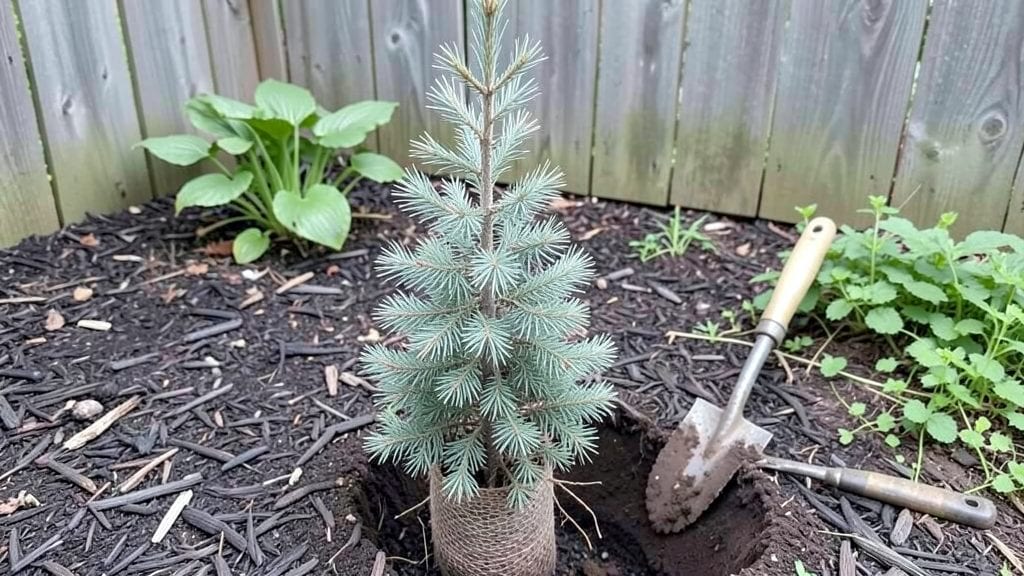
Planting evergreen trees means your yard stays lush all year, but spacing them right makes the difference between a crowded mess and a showstopping landscape. I’ve planted over two dozen evergreens—some thrived, others struggled—and the spacing rules I learned the hard way now save new gardeners from costly mistakes.
The key starts with sunlight and soil: evergreens need well-draining soil and at least 6 hours of sun daily, though some like shade. Dig holes twice as wide as the root ball but no deeper, and loosen the roots if they’re circling.
Amend the soil with compost for that first flush of growth—your trees will thank you in 10 years.
Once planted, water deeply to settle the soil, then mulch with 2–3 inches of organic material to lock in moisture. Prune only to shape—never to "fix" the tree—and avoid heavy pruning in late summer. Within a year, you’ll see fuller branches and fewer gaps where weeds sneak in.
This works for pine, spruce, or even broadleaf evergreens like holly. Just adjust spacing: mature pines need 15–20 feet apart, while dwarf varieties can handle 3–5 feet. Skimp on space, and you’ll end up with stunted trees fighting for sunlight.
📚 In This Guide
- What you need
- Instructions
- Tips and common mistakes
- Wrapping up and next steps
What you need
- ● Evergreen tree seedlings or saplings: Choose 1–3 trees, depending on your space (e.g., 6–10 ft tall for mature height). Opt for healthy, root-bound plants with firm foliage.
- ● Shovel or digging spade: A 12–18-inch-wide spade for digging holes (or a post-hole digger for larger trees).
- ● Measuring tape: To ensure proper spacing (see our foolproof spacing guide).
- ● Garden gloves: Heavy-duty, waterproof gloves to protect your hands from dirt and thorns.
- ○ Mulch (optional but recommended): 3–4 inches of pine bark, wood chips, or shredded leaves to retain moisture and suppress weeds.
- ● Watering can or hose with a gentle spray nozzle: For deep watering after planting.
- ○ Tree stakes (optional for young trees): 2–3 ft tall stakes + soft tree ties to provide temporary support.
- ● Soil amendment (if needed): Compost or peat moss to improve drainage in heavy clay soils.
- ● Root stimulator: A mycorrhizal fungi or seaweed-based product to boost root growth.
- ● Tree guard or protective wrap: To shield young trees from pests or winter damage.
- ● Soil pH tester: Evergreens like acidic soil (pH 5.0–6.5)—adjust with sulfur if needed.
- ● Pruning shears: For trimming damaged branches post-planting.
Planting evergreen trees: a Step-by-Step guide to longevity and beauty
Evergreens transform landscapes year-round, but proper planting ensures they thrive for decades.
Select the Perfect Location and Prepare the Soil
Choose a site with full sun to partial shade, depending on your evergreen variety—most prefer at least 6 hours of sunlight daily. Avoid low-lying areas where cold air settles, as evergreens are prone to winter burn. Test the soil pH; most evergreens thrive in slightly acidic soil (pH 5.0-6.5). If your soil is too alkaline, amend it with sulfur or peat moss before planting.
Dig a hole twice as wide as the root ball but only as deep. This encourages roots to spread outward rather than settling too deeply. Loosen the soil at the bottom of the hole with a shovel or your hands to remove compaction. The wider hole gives roots room to establish quickly, reducing transplant shock.
Handle the Root Ball and Position the Tree
Remove the tree from its container or burlap wrap, gently loosening the roots if they’re circling or bound. If the root ball is intact, place it in the hole so the top of the root ball sits 2-3 inches above ground level. This prevents water from pooling around the trunk, which can cause rot. Evergreens need good air circulation but not soggy soil.
Backfill the hole with the native soil you removed, tamping it down lightly every 6 inches to eliminate air pockets. Avoid compacting too firmly—roots need loose soil to penetrate easily. Water deeply after backfilling to settle the soil around the roots. You’ll know it’s done right when water drains evenly without pooling.
Mulch and Water for Immediate Stability
Spread 3-4 inches of mulch (preferably pine straw or wood chips) over the soil surface, keeping it 6 inches away from the trunk to prevent moisture buildup. Mulch retains soil moisture and regulates temperature, but too much can suffocate roots. Use 4-6 gallons of water to soak the root zone thoroughly—this helps dislodge air pockets and encourages root expansion.
Water deeply once a week during the first growing season, adjusting for rainfall. Evergreens need consistent moisture but hate soggy conditions. Check soil moisture by sticking your finger 2 inches down—if it’s dry, water again. Avoid overhead watering, which can promote fungal diseases on needles.
Stake and Prune for Long-Term Health
Stake only if necessary—most evergreens establish well without support. If staking, use two stakes on opposite sides and tie the tree loosely with soft fabric strips (never wire, which can girdle the trunk). Prune only to remove dead, broken, or crossing branches—never to shape the tree in its first year. Evergreens heal slowly, and over-pruning stresses them unnecessarily.
After planting, avoid heavy pruning for at least a year. Focus on removing only the lowest branches to create a clear trunk, but leave the majority of the foliage intact. This ensures the tree can photosynthesize enough to support new growth. Monitor for signs of stress, like needle drop or yellowing, which may indicate overwatering, underwatering, or poor drainage.
Monitor and Adjust for Seasonal Changes
Evergreens are resilient but need winter protection in harsh climates. Apply anti-desiccant spray in late fall to prevent needle browning from winter winds. In drought-prone areas, water every 2-3 weeks during dry spells, even in winter, to keep roots hydrated. Young trees need extra care—mulch heavily in winter to insulate roots from freezing temperatures.
After the first year, evergreens typically require minimal maintenance. Prune lightly in late winter or early spring before new growth begins. Watch for pests like spider mites or bagworms, which thrive on stressed trees. A light horticultural oil spray in early summer can prevent infestations before they become severe. With proper planting, your evergreens will provide year-round beauty for decades.
Tips & tricks for perfect evergreen planting
A few strategic adjustments can transform your evergreen planting from good to exceptional. Here's what I've learned from years of working with these resilient yet particular trees.
Soil Preparation Secret: The wider hole you dig in Step 1—twice as wide as the root ball—isn't just about space; it's about creating an oxygen-rich environment for roots. After loosening the bottom soil, I like to add a handful of organic compost mixed into the native soil during backfilling. This gives roots an immediate nutrient boost while they establish. The key is to blend it thoroughly so it doesn't create a separate layer that could restrict root growth.
Root Ball Positioning: That 2-3 inch elevation of the root ball above ground level in Step 2 is critical for drainage, but many people overlook the importance of checking this after backfilling. After placing the tree, I always run my fingers around the perimeter to verify the root ball isn't settling below grade. If it does, add more soil to maintain that crucial elevation. This small check prevents the number one cause of evergreen failure—root rot from poor drainage.
Mulching Technique: When applying that 3-4 inches of mulch in Step 3, think of it as creating a protective donut around your tree—not a volcano. The 6-inch clearance from the trunk is essential because mulch piled against the bark traps moisture and can lead to fungal diseases. I also recommend using pine straw or wood chips specifically because they allow water to penetrate while maintaining temperature regulation. A good test is to be able to fit your hand between the mulch and trunk—if you can't, you're too close.
Watering Strategy: The once-weekly watering guideline in Step 3 is perfect for most climates, but timing matters just as much as quantity. I always water in the early morning so the needles have all day to dry, reducing fungal risks. For the initial 4-6 gallons, I use a slow watering can or soaker hose to ensure even saturation without creating surface runoff. The soil should be moist 2 inches down—if you're unsure, that's your visual cue to water again.
Pro Tips for Planting Evergreen Trees
- A few strategic adjustments can transform your evergreen planting from good to exceptional.
- Soil Preparation Secret: The wider hole you dig in Step 1—twice as wide as the root ball—isn't just about space; it's about creating an oxygen-rich environment for roots.
- Root Ball Positioning: That 2-3 inch elevation of the root ball above ground level in Step 2 is critical for drainage, but many people overlook the importance of checking this after backfilling.
Frequently asked questions
Got questions about planting evergreen trees?
Here are answers to the most common ones—so you can plant with confidence and keep your yard lush year-round!
When is the best time to plant evergreen trees?
Fall and early spring are ideal for planting evergreens. Fall gives roots time to establish before winter, while spring allows growth before summer heat. Avoid planting in extreme heat or frost—roots need stable soil temps to thrive!
How far apart should I space evergreen trees?
Spacing depends on the tree’s mature size. For small evergreens (under 15 ft), plant 6–10 ft apart; medium (15–30 ft), 10–15 ft; and large (30+ ft), 20–30 ft. Check the species tag for exact growth projections—crowding leads to competition for water and nutrients!
Can I plant evergreens in shady areas?
Most evergreens prefer full sun (6+ hours/day), but some shade-tolerant varieties like Picea glauca (white spruce) or Thuja occidentalis (arborvitae) can thrive in partial shade. Avoid deep shade—it weakens growth and invites pests. Test your spot with a light meter if unsure!
How often should I water newly planted evergreens?
Water deeply 2–3 times per week for the first year (unless rain provides 1+ inch). Evergreens need consistent moisture—drought stress causes needle browning. Mulch 2–3 inches around the base (keep mulch away from the trunk!) to retain moisture and regulate soil temp.
Why are my evergreen needles turning brown?
Brown needles often signal overwatering, underwatering, or pests. Check soil moisture (stick your finger 2 inches deep—dry? Water! Soggy? Drainage may be poor). Inspect for spider mites or bagworms (tiny webs or sawdust-like frass). Prune affected branches and treat with neem oil if needed.
What’s a good alternative to traditional evergreens?
If evergreens seem high-maintenance, try boxwoods (compact, drought-tolerant), holly (ornamental berries), or broadleaf evergreens like Rhododendron. For year-round color without needles, consider ornamental grasses (e.g., Carex varieties) or heaths—they’re low-maintenance and pest-resistant!
Wrapping up and next steps
Planting evergreen trees is a rewarding way to add year-round beauty, privacy, and value to your landscape—without the seasonal stress of leafy drop-offs! 🌲 Whether you're a beginner or a seasoned gardener, the key lies in proper spacing, soil prep, and variety selection to ensure your greenery thrives for decades.
With the right knowledge, you’re not just planting trees; you’re crafting a living legacy that enhances curb appeal and ecosystem health.
Ready to get started? Take action today:
- Sketch a rough layout of your yard to map out tree placements.
- Pick 2-3 evergreen varieties that suit your climate and goals.
- Grab your tools and dive in—your future shade (and neighbors’ envy) awaits! 🌟