
Pruning
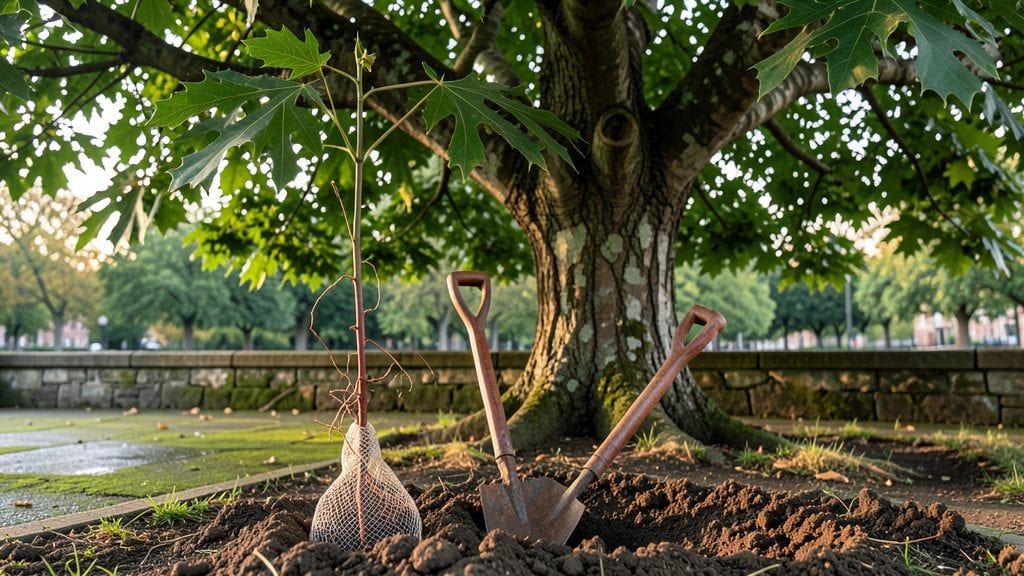
Planting trees in London isn’t just about seasons—it’s about surviving the city’s damp chill, alkaline soil, and relentless foot traffic. 🌿 I’ve planted everything from silver birches to London plane trees, and the key is timing: November through March gives roots a fighting chance before summer’s heat.
The right species matters too—native trees like field maple or hawthorn handle pollution better than delicate imports.
You’ll need a spot at least 10 feet from buildings, a hole twice as wide as the root ball, and a sturdy stake to keep young trees upright. London’s clay-heavy soil drains poorly, so mix in compost or grit to help roots spread.
Council guidelines vary by borough, so check local rules before digging—some even offer free saplings for community planting days.
By spring, you’ll see new shoots breaking through the pavement cracks, and within five years, a properly planted tree can outgrow its urban stress. The best part? These trees filter pollution, cool sidewalks in summer, and create wildlife corridors where none existed before.
Even a small balcony can host a dwarf conifer or espaliered apple.
London’s climate means winter planting is your best bet, but container-grown trees can go in year-round if watered well. Just avoid planting during frost or drought—roots need moisture to establish. Start small, pick the right species, and let the city’s green spaces grow one tree at a time.
📚 In This Guide
- What you need
- Instructions
- Tips and common mistakes
- Wrapping up and next steps
What you need
- ● Tree sapling: Choose a native species (e.g., London Plane, Silver Birch, or Hawthorn) from a local nursery. Size: 1–3 meters tall, depending on maturity.
- ● Planting hole: Depth: Twice the root ball width, Width: 3x the root ball diameter. Tip: Loosen soil at the bottom to encourage root spread! 💡
- ● Compost/soil mix: 50% native soil + 50% organic compost (e.g., John Innes No. 3). Quantity: Enough to fill the hole and backfill.
- ● Mulch: Wood chips or bark (2–4 inches thick). Area: Cover the soil surface up to 12 inches from the trunk.
- ● Shovel: Round-point or spade for digging.
- ● Garden fork: For aerating compacted soil.
- ● Wheelbarrow: To haul soil and compost.
- ● Gloves: Heavy-duty to protect hands.
- ● Watering can/hose: With a gentle spray nozzle.
- ● Measuring tape: To check hole depth/width.
- ○ Stakes & ties (optional): For young, unstable trees.
- ● Location check: Confirm planting zone (public land may require blank">City of London permits).
- ● Weather window: Plant on a cool, cloudy day (avoid frost or extreme heat).
- ● Neighbor/landowner approval: If planting near boundaries.
- ● Safety gear: Closed-toe shoes and eye protection if working near roots.
Step-by-Step instructions for planting trees in London’s urban spaces
Here’s how to plant trees that thrive year-round in London’s diverse microclimates.
🪴 Step 1: Choose the Right Tree and Prepare the Hole
London’s clay-heavy soil drains poorly, so pick native species like field maple or London plane—they handle wet winters and dry summers. Dig a hole twice as wide as the root ball but no deeper. The top of the root ball should sit 1-2 inches above ground level to prevent waterlogging.
Loosen the sides of the hole with a spade to encourage root spread. If planting in summer, water the hole deeply 24 hours ahead to help roots establish faster. I always check the soil’s moisture by squeezing a handful—it should hold together but not feel soggy.
🌱 Step 2: Position and Stabilize the Tree
Place the tree in the hole so the root flare (where roots meet trunk) is visible above soil. Backfill with the native soil you removed, tamping lightly every 6 inches to remove air pockets. For small trees, stake only if needed—over-staking restricts root growth.
Use the 1 gallon of compost mixed into the backfill to improve drainage and fertility. Mulch with 3 inches of wood chips (keep it 6 inches away from the trunk) to retain moisture and regulate soil temperature. Avoid heavy mulch piles—this suffocates roots.
☀️ Step 3: Water Deeply and Monitor Growth
Water immediately after planting with 5 gallons to settle the soil. In London’s unpredictable weather, water once a week for the first year unless rain provides 1 inch. You’ll know it’s enough when water drains to 6 inches deep—stick a trowel in to check.
For the first 3 months, inspect the tree weekly for wilting leaves or fungal spots. Prune only dead branches—never more than 25% of the canopy at once. London’s urban pollution can stress trees, so a light foliar spray with seaweed extract (optional) boosts resilience.
⏰ Step 4: Adjust Care by Season
Spring: Fertilize with 1 cup of slow-release granules in March. Summer: Water deeply every 10 days if no rain. Autumn: Mulch again to protect roots from winter frosts. Winter: Avoid heavy pruning—wait until late winter when trees are dormant.
London’s urban heat islands can bake roots, so young trees benefit from drip irrigation if you’re away often. I always mark the tree’s location with a stake and ribbon—new planters often forget where they planted!
Tips & tricks for perfect urban tree planting in London
London’s clay soil and unpredictable weather can make tree planting tricky, but these practical tips will help your urban canopy thrive all year.
Soil Prep Secret: Before planting, test your soil’s drainage by filling a container with water and measuring how long it takes to drain. London’s clay holds moisture for hours—if water sits longer than 6 hours, amend with 1 part sand to 3 parts native soil to improve drainage. This prevents root rot, especially for field maple and London plane trees that struggle in waterlogged conditions.
Root Flare Visibility: In Step 2, the root flare (where roots meet trunk) should be clearly visible above the soil line. I’ve seen too many trees planted too deep, which suffocates roots and causes trunk rot. Use a pencil to mark the flare’s position before planting—this simple trick ensures you position it correctly every time.
Seasonal Watering Strategy: That once-a-week watering for the first year? Adjust based on rainfall—if you get 1 inch of rain, skip watering that day. In summer, water deeply every 10 days (as mentioned), but in winter, reduce to every 3 weeks unless the ground feels bone-dry. A moisture meter helps, but the old-fashioned trowel test works too.
Mulch Mastery: The 3 inches of wood chips should be spread evenly but kept 6 inches away from the trunk—this prevents moisture buildup that invites fungal diseases. I like to refresh mulch annually in autumn, but avoid piling it higher than 3 inches. Too much mulch suffocates roots and can actually harm your tree.
Pro Tips for Tree Planting London
- London’s clay soil and unpredictable weather can make tree planting tricky, but these practical tips will help your urban canopy thrive all year.
- Soil Prep Secret: Before planting, test your soil’s drainage by filling a container with water and measuring how long it takes to drain.
- Root Flare Visibility: In Step 2, the root flare (where roots meet trunk) should be clearly visible above the soil line.
Frequently asked questions
When is the best time to plant trees in London?
The ideal window is late autumn to early spring (November–March), when the ground is moist but not frozen. Avoid planting in summer’s heat or winter’s frost—roots need time to establish! For container-grown trees, you can plant year-round, but always water deeply afterward. Pro tip: Check London’s weather forecasts for rain—new saplings love hydration!
How much does it cost to plant a tree in London?
Costs vary widely: small saplings (e.g., cherry or rowan) start at £10–£30, while mature trees (oak, horse chestnut) can run £200–£1,000+. Digging and planting services add £50–£200 depending on size. Save money: Join local Tree Trust schemes for discounted or free trees!
Can I plant a tree in my London garden or balcony?
London’s urban spaces welcome trees—just check local planning rules (e.g., TfL guidelines for pavements). For balconies, opt for container-friendly species like dwarf conifers or ornamental cherries. Ensure pots have drainage and use ergonomic planters for heavy roots. Bonus: Trees boost property value by up to 10%!
What if my newly planted tree isn’t growing after 6 months?
Don’t panic! Common issues include poor soil (amend with compost), underwatering (deep water weekly), or pests (check for aphids or vine weevils). Troubleshoot:
- Test soil pH (ideal: 6.0–7.0 for most trees).
- Mulch with bark chips to retain moisture.
- Call a local arborist if roots look damaged.
Are there free tree-planting schemes in London?
Yes! Organizations like City of London Corporation and Woodland Trust offer free trees for schools, communities, and homeowners. Check Tree Warden programs too—volunteers help plant and maintain urban canopies. Why join? You’ll get expert advice and a healthier neighborhood!
Wrapping up and next steps
Planting trees in London isn’t just about adding greenery—it’s a powerful way to cool the city, boost biodiversity, and create healthier neighborhoods. Whether you’re a seasoned gardener or a first-time planter, every sapling makes a difference. 🌱
Ready to take action? Start small—research local tree species, check planting guidelines, and reach out to London’s urban greening initiatives for support. Your hands can help grow London’s future, one tree at a time!